
Africa calls for urgent action on climate loss and damage financing
By Editorial · April 13, 2026
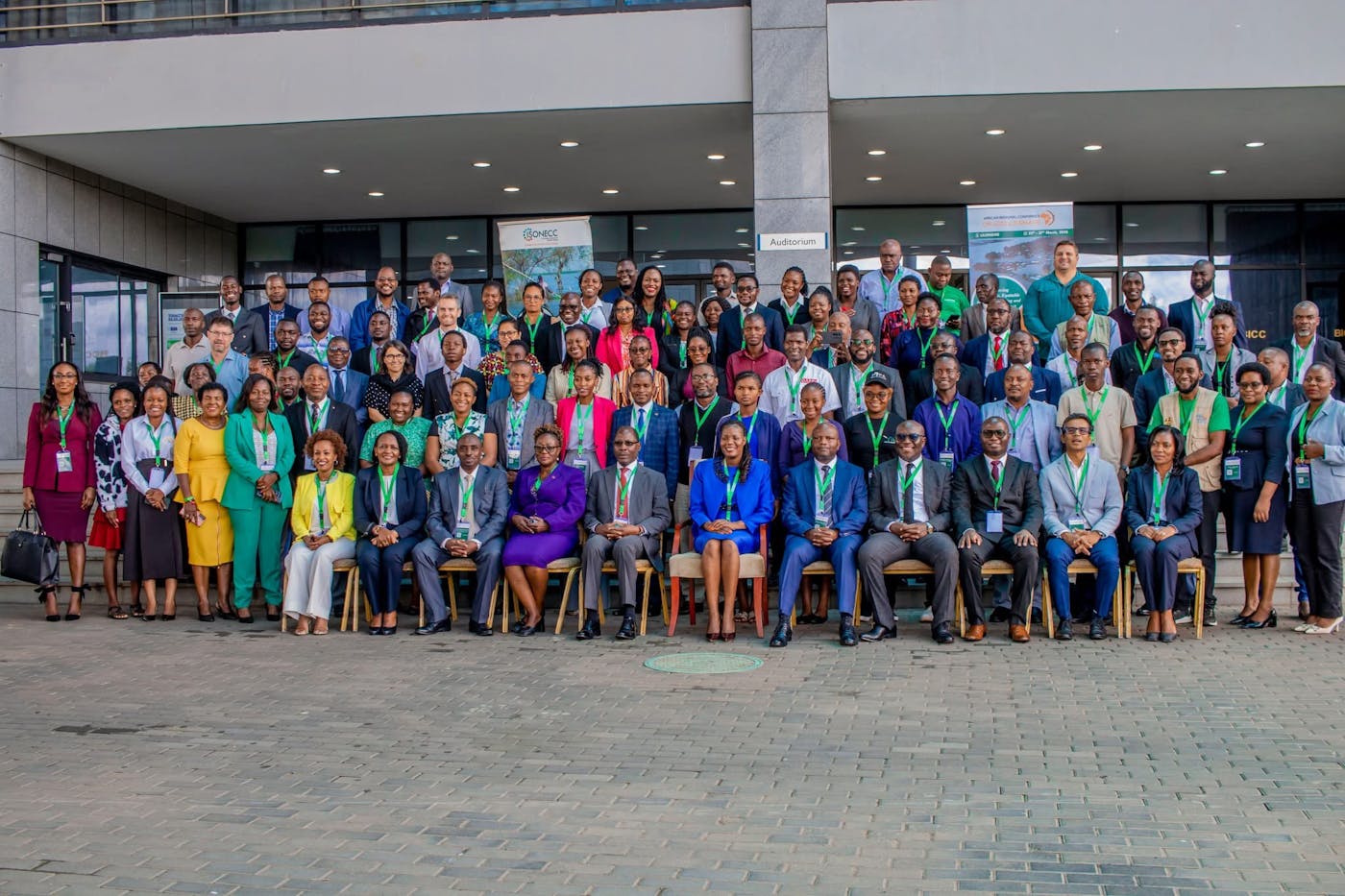
African leaders demand urgent, justice-driven climate financing as loss and damage needs surge far beyond current global commitments.
African climate actors have issued a strong call for urgent, justice-based financing to address loss and damage, warning that current global commitments remain inadequate and politically constrained.
This emerged from a communiqué released at the 5th African Regional Conference on Loss and Damage held in Lilongwe, Malawi, where governments, civil society, and development partners convened to strengthen Africa’s position within global climate negotiations.
The communiqué was coordinated under the leadership of the Pan African Climate Justice Alliance (PACJA), a continental coalition of civil society organisations advocating for climate justice, equitable development, and African-led climate policy solutions. PACJA plays a central role in amplifying African voices in international climate processes, particularly around finance, adaptation, and accountability.
In the communiqué, stakeholders stressed that Africa continues to bear a disproportionate burden of climate impacts despite contributing the least to global emissions. They argued that geopolitical tensions and declining commitment from major emitters are weakening progress on climate justice. “Aware that Africa must act decisively in response to several interlinked and rapidly evolving dynamics shaping the loss and damage discourse, particularly as recent climate negotiations have been weakened by geopolitical tensions and reduced leadership from major emitters,” the communiqué stated.
It further highlighted deep concern over the lack of political will among developed nations to meet their obligations under the Paris Agreement, noting that this failure continues to shift the burden onto vulnerable countries.
“Deeply concerned that less than one billion United States dollars has been mobilised for loss and damage in four years against an estimated annual need of USD$400–800 billion, and that only ten percent of climate finance reaches frontline communities,” the statement read.
Participants also criticised the structure of current climate finance systems, which rely heavily on loans rather than grants, thereby worsening Africa’s debt burden and limiting its capacity to respond effectively to climate shocks.
The communiqué called for a fundamental shift towards grant-based, accessible, and community-centred financing through mechanisms such as the Fund for Responding to Loss and Damage. It urged developed countries to meet their financial obligations based on historical responsibility and to prioritise direct access for affected communities.
In addition, African negotiators were encouraged to push for the recognition of loss and damage finance as part of a broader reparatory justice framework within upcoming global climate negotiations.
The conference concluded with a commitment to strengthen continental coordination, enhance technical capacity, and maintain sustained advocacy to ensure that loss and damage remains central to Africa’s climate justice agenda.