Eswatini culture a hidden key to sustainability, says AU Commissioner Moses Vilakati
By Phumelele Mkhonta · March 30, 2026
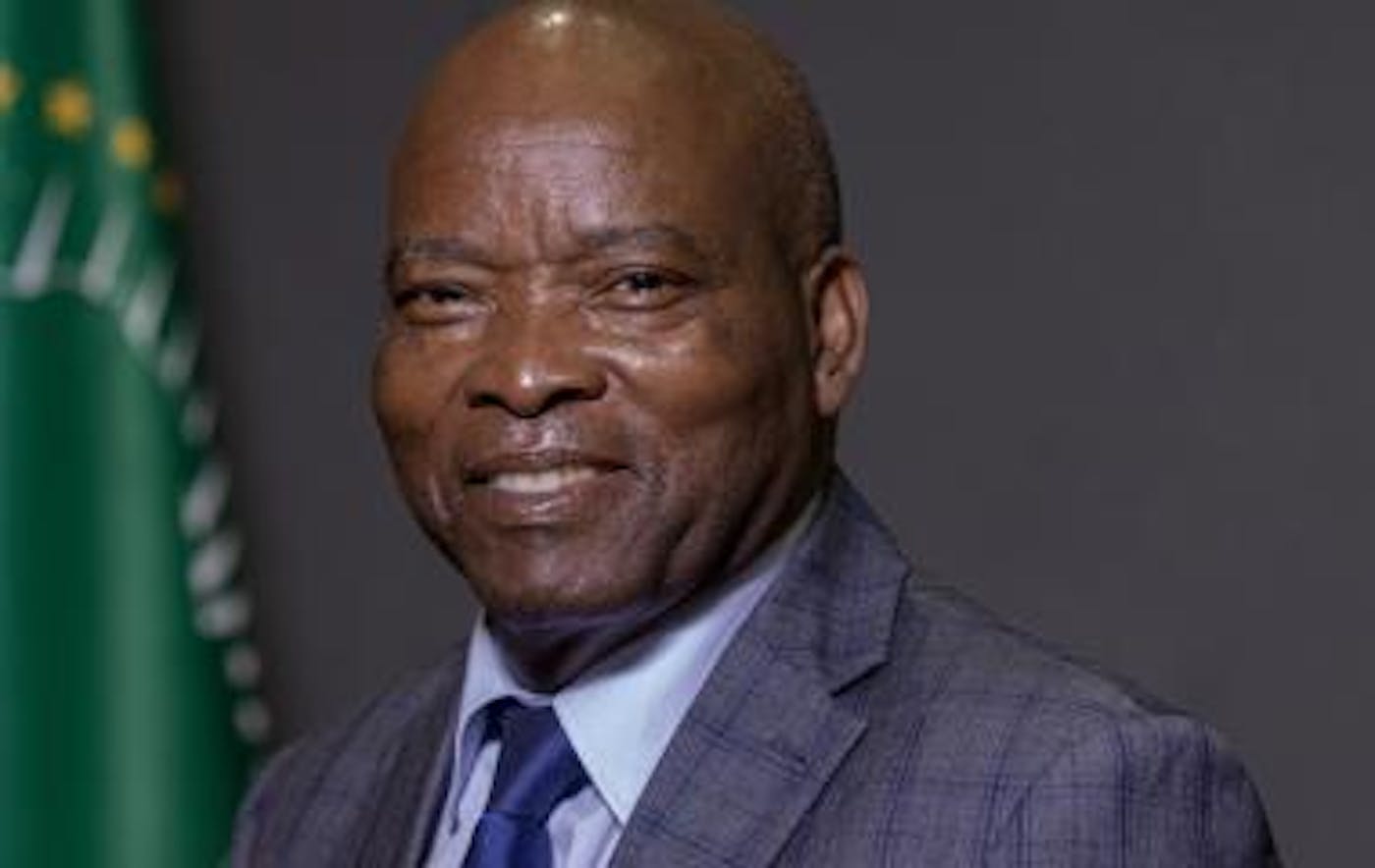
Vilakati takes a stand on how culture can save the environment, saying Eswatini serves as an example.
Eswatini’s cultural activities are nature-based solutions for sustainability.
This stance was taken by Moses Vilakati, the African Union's new Director of Agriculture, Rural Development, Blue Economy, and Sustainable Environment (ABRE) Department. Vilakati is Eswatini's former Minister of Tourism and Environmental Affairs and a climate champion in the Kingdom. Vilakati's passion for sustainability issues elected him to his current position. He has also served as the Project Director at the Eswatini Water and Agricultural Development Enterprise (EWADE), the Agribusiness Project Manager at EWADE, and the Project Director and Lecturer at the University of Eswatini (UNESWA). He has a Master of Science (MSc) in Agriculture (International Development) from California Polytechnic State University.
 Moses Vilakati, the African Union's Director of Agriculture, Rural Development, Blue Economy, and Sustainable Environment (ABRE) Department.
In an exclusive interview, Vilakati stated that Eswatini was the sustainability pulpit of Africa. Explaining this, the AU Director of ABRE said Eswatini cultural activities like the Umhlanga Ceremony and Lusekwane were ancient strategies which balanced the ecosystem- contributing positively to the environment. "Reeds usually grow in wetlands and this is where maidens harvest the plant in Eswatini annually. Experts in the field will tell you that reeds are not good for a healthy wetland and yet wetlands are fundamental for the ecosystem. So, the annual harvesting during the Umhlanga Ceremony reduces the pressure on the wetlands- refreshing them, (verbatim)," explained Vilakati. Research conducted by this publication, the Alien and Invasive Species Page of the Government of Portland is a common reed (umhlanga) that is harmful to wetlands and estuaries, which are very important habitats. Wetlands and estuaries help clean water and provide food and safe places for many of Oregon's birds and animals. Once common reeds are in these habitats, they are no longer good places to live.
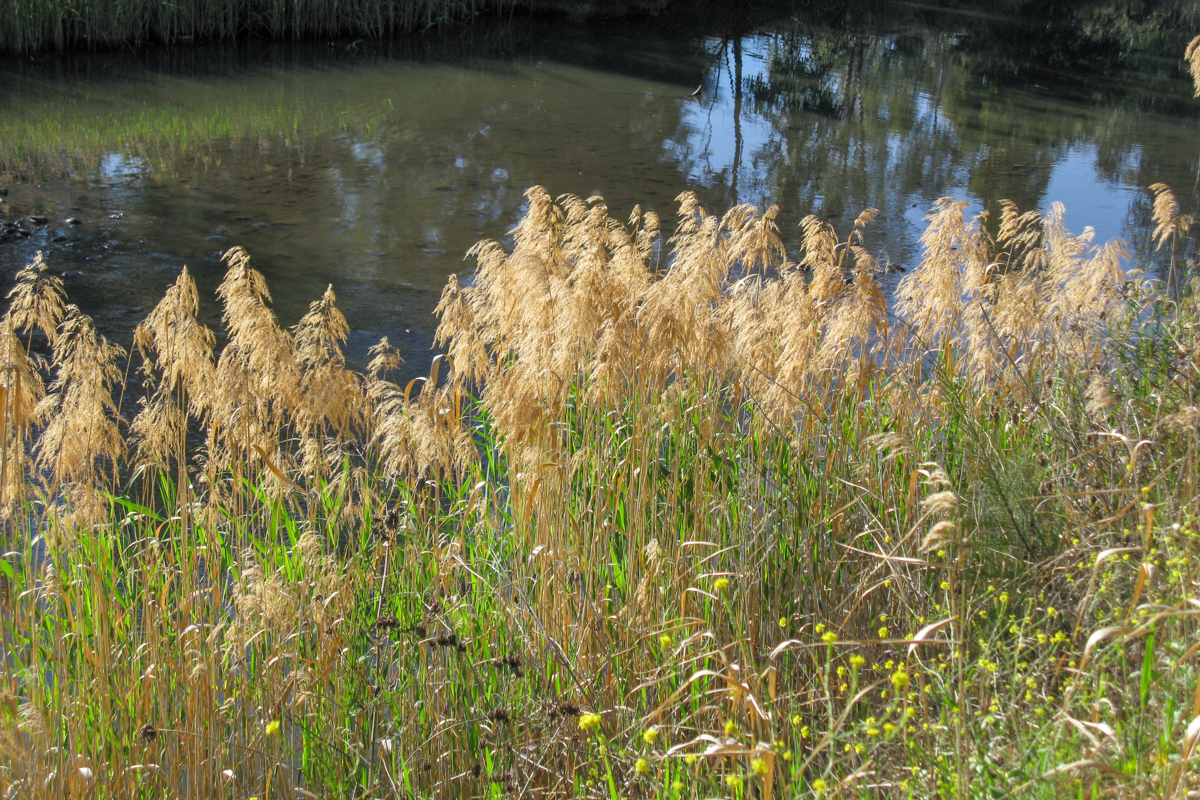
The Umhlanga (common reed grass), whose picking during the Reed Dance is said to be an ecologically friendly practice. (Courtesy Pic)
When asked about other cultural activities that showed that Eswatini's historic practices promoted healthy ecosystems, the AU Commissioner of ABRE further stated that the picking of Lusekwane around the Incwala Ceremony was another significant environmentally friendly practice. "The lusekwane (acacia) tree, grows in a manner that it covers grass and other vegetation. In the process, these other plants are then blocked from receiving sunlight and gases for their health. The picking of the lusekwane promotes the healthy growth of other plants where there is the acacia plant,” explained Vilakati.
Harvesting acacia trees (lusekwane) can benefit surrounding plants in several ways (Wild Crafta):
· Reduced Competition – Acacia trees can be highly competitive for water, sunlight, and nutrients. Removing them can allow other plants to thrive. · Improved Soil Fertility – Many acacia species fix nitrogen in the soil. When harvested, their decomposing roots and leaves enrich the soil, benefiting surrounding plants. · Increased Water Availability – Acacia trees often have deep roots that draw significant groundwater. Cutting them can reduce water competition, helping nearby vegetation access more moisture. · Enhanced Biodiversity – Overgrowth of acacia can dominate an ecosystem. Harvesting helps create space for a more diverse range of plant species. · Reduced Allelopathic Effects – Some acacia species release chemicals that inhibit the growth of other plants. Harvesting them can remove this barrier, encouraging plant regeneration. · Better Light Penetration – Acacias can create dense canopies that limit sunlight. Removing them allows more light to reach smaller plants, boosting photosynthesis.