
Eswatini emerging as Southern Africa’s rising Ecotourism jewel
By Editorial · March 27, 2026
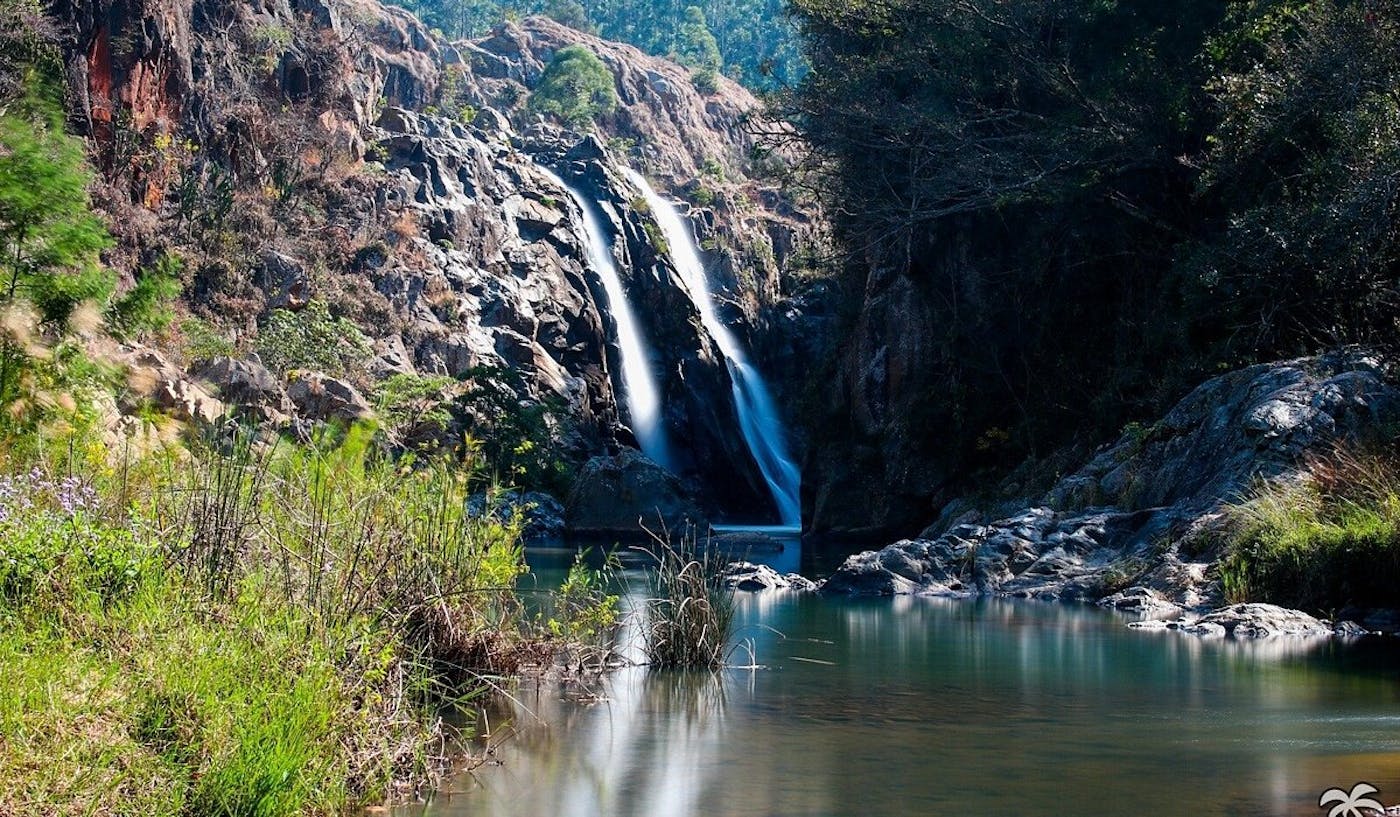
Eswatini, though one of Africa’s smallest countries, is emerging as a vibrant ecotourism destination.
Eswatini, though one of Africa’s smallest countries, is emerging as a vibrant ecotourism destination.
This is the consensus from a combination of reports, from studies conducted by the Eswatini Economic Policy and Research Centre (ESEPARC) to academic articles published by Academia, Policy Commons and the United Nations Development Programme (UNDP).
According to the International Ecotourism Society, ecotourism is a form of nature-oriented tourism intended to contribute to the conservation of the natural environment, generally defined as being minimally impactful, and including providing both contributions to conservation and environmental education.
A summary from the consolidated report concluded that with its rich biodiversity, captivating cultural heritage, and commitment to sustainable travel, the kingdom offers a unique blend of wildlife encounters, immersive community experiences, and environmental education. “Travellers can explore game reserves like Mlilwane Wildlife Sanctuary or Hlane Royal National Park, home to iconic African species such as rhinos, elephants, and lions. Beyond wildlife, Eswatini invites visitors to experience its vibrant traditions; from rhythmic dances and colourful festivals to homestays and craft markets that reflect the soul of emaSwati.
“What sets Eswatini apart is its growing emphasis on community-based tourism. Local communities are increasingly involved in tourism operations, ensuring that economic benefits are shared and that cultural and environmental preservation remains at the heart of the visitor experience. A perfect example of this is the Mhlumeni Bush Camp and the Shewula Campsite,” explained the consolidated report.
The report also argued that, however, like many developing ecotourism destinations, Eswatini faced challenges, stating that infrastructural maintenance, limited international visibility, and underdeveloped tourism services can hamper growth. “However, with continued investment in marketing, conservation, and community capacity-building, ecotourism could become a powerful tool for national development- boosting the economy while preserving Eswatini’s natural and cultural treasures for generations to come.” The Eswatini National Trust Commission (ENTC) encouraged tourists and emaSwati to embrace ecotourism, to observe and foster sustainability. The ENTC is responsible for conservation of the Eswatini’s natural and cultural heritage as mandated by the National Trust Commission Act No. 9 of 1972; amended by the King’s Order in Council of 1973. The ENTC carries out its mandate through proclamation and management of national parks and reserves, national museums and monuments. The entity is an independent statutory body and a government parastatal, operating at the present time under the umbrella of the Ministry of Tourism and Environment Affairs. When sought for comment, ENTC Marketing Officer Nkosinathi Mkhonto said they had observed an increase in ecotourism. “We observed the increase during the Covid-19 era and post-COVID-19. We have seen a huge increase in the number of people visiting our establishment,” said Mkhonto.
The marketing officer further stated that the ENTC is taking significant steps to ensure that tourists were embracing ecotourism.
“Through various initiatives and campaigns, ENTC is promoting sustainable practices that encourage visitors to respect and appreciate the natural environment they are visiting. This includes educating tourists about the importance of conservation, promoting low-impact activities, and partnering with local communities to provide authentic cultural experiences.
“We do this by emphasising the preservation of natural resources and the well-being of local communities, ENTC is inspiring tourists to adopt responsible travel behaviours and actively contribute to the preservation of fragile ecosystems around the world (sic),” said Mkhonto.
According to the International Ecotourism Society, ecotourism is about uniting conservation, communities, and sustainable travel.
This means that those who implement, participate in and market ecotourism activities should adopt the following ecotourism principles: • Minimise physical, social, behavioural, and psychological impacts. • Build environmental and cultural awareness and respect. • Provide positive experiences for both visitors and hosts. • Provide direct financial benefits for conservation. • Generate financial benefits for both local people and private industry. • Deliver memorable interpretative experiences to visitors that help raise sensitivity to host countries’ political, environmental, and social climates