Eswatini’s Vanishing Flora: More Native Plants Join the IUCN Red List
By Phumelele Mkhonta · March 24, 2026
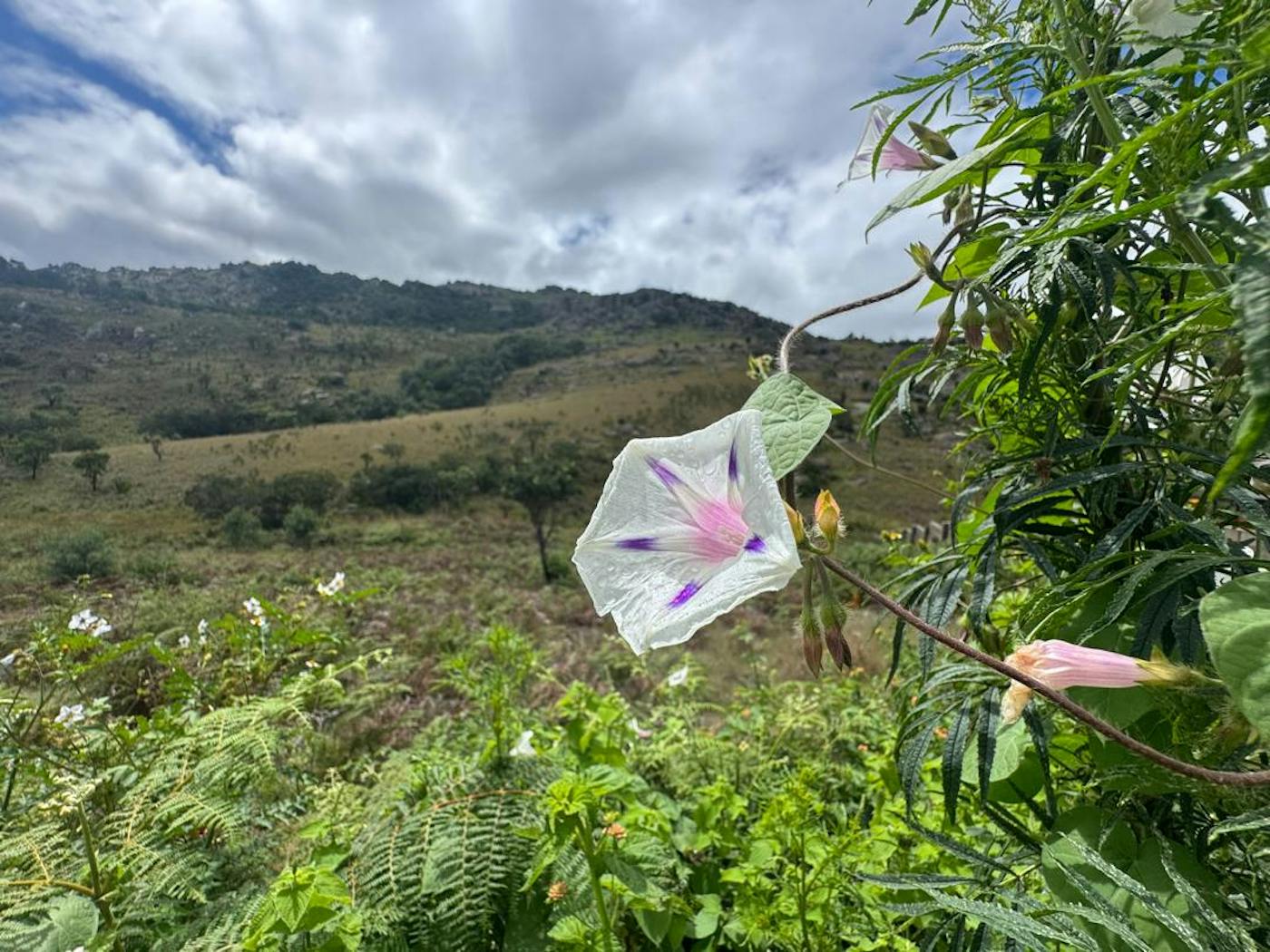
Eswatini’s rich natural heritage is facing increasing pressure, with more native plant species being classified as threatened on the International Union for Conservation of Nature (IUCN) Red List. The latest addition, Eumorphia swaziensis, locally known as the Sibebe daisy, has been listed as Vulnerable, highlighting growing concerns over biodiversity loss in the Kingdom.
Eswatini’s rich natural heritage is facing increasing pressure, with more native plant species being classified as threatened on the International Union for Conservation of Nature (IUCN) Red List. The latest addition, Eumorphia swaziensis, locally known as the Sibebe daisy, has been listed as Vulnerable, highlighting growing concerns over biodiversity loss in the Kingdom. According to the Eswatini National Trust Commission (ENTC), a number of indigenous plant species are under threat due to habitat loss, overgrazing, urban expansion, and invasive species. Among the most at risk are the Kaapsehoop Cycad (Encephalartos laevifolius) and the Lebombo Cycad (Encephalartos lebomboensis), classified as Critically Endangered and Endangered, respectively. The classification of Eumorphia swaziensis follows a detailed scientific assessment which found its distribution to be extremely limited, covering just 28 square kilometres. The species is restricted to rocky grasslands around Mbabane and extending northeast toward Sibebe. Experts warn that urban expansion, overgrazing, and invasive wattle trees are degrading the species’ habitat. Conservationists are calling for urgent interventions, including site protection, habitat restoration, and seed banking. Beyond this single species, several indigenous plants, including aloes, orchids, and grasses, are now classified as Vulnerable or Near Threatened, driven by climate change and habitat fragmentation. Fauna is also under strain. The Incomati Suckermouth fish (Chiloglanis bifurcus) remains Endangered, while some bird species face localised declines due to habitat degradation and wetland loss. Inclusion on the IUCN Red List is a critical warning, signalling the need for stronger conservation strategies and integrated biodiversity protection. University of Eswatini Lecturer in Biological Sciences, Professor Thembalilahlwa Mahlaba, emphasised that Red List classification should be seen as a call to action rather than a declaration of inevitable loss. “This does not mean the species will definitely go extinct; it is a warning that, without action, the risk increases. The best thing we can do is protect and repopulate our native plants across the country.” Environmentalists stress that ecosystems such as montane grasslands and riverine habitats are vital for biodiversity, water regulation, and climate resilience. Ultimately, the addition of the Sibebe daisy and other species to the Red List serves as both a warning and an opportunity. Without urgent action, Eswatini risks losing irreplaceable elements of its natural heritage.