
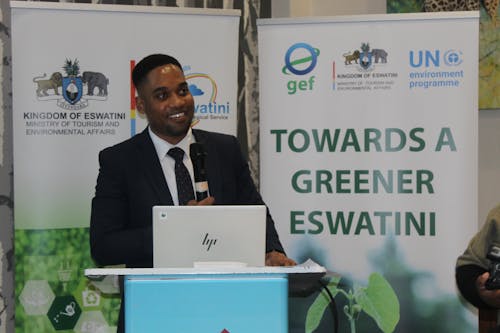
MBABANE – The Global Environment Facility (GEF) has injected US$517,000 (approximately E8.6 million) into Eswatini’s climate transparency process, a move expected to strengthen the country’s reporting systems under the Paris Agreement. Minister of Tourism and Environmental Affairs, Jane Mkhonta-Simelane, revealed the funding during the plenary session of the Second Biennial Transparency Report (BTR2) and Fifth National Communication (NC5) Project Inception Workshop held at the Hilton Garden Inn in Mbabane on Wednesday.
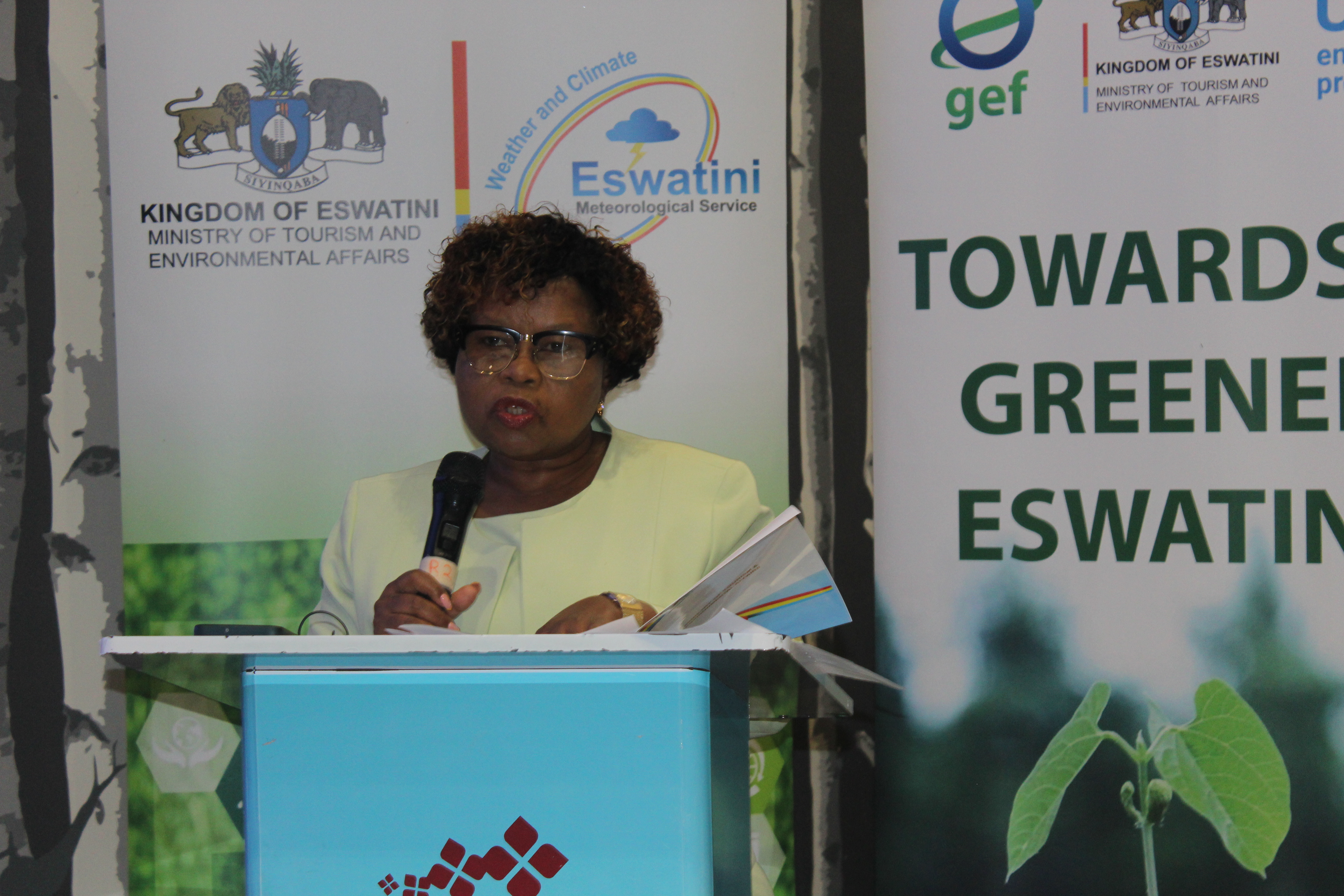 Eswatini's Minister of Tourism and Environmental Affairs Jane Mkhonta-Simelane making her remarks.
The funding forms part of a broader US$1.23 million project running from 2024 to 2027, implemented by the United Nations Environment Programme (UNEP), aimed at enhancing Eswatini’s compliance with the Enhanced Transparency Framework (ETF). Opening the workshop, Mkhonta-Simelane described the gathering as a critical step in advancing Eswatini’s climate accountability agenda.
“It is truly inspiring to see such a diverse and dedicated assembly of experts, advocates, and leaders gathered in this room,” she said, adding that the meeting represented “our collective resolve to safeguard the environment and the future of our Kingdom.”
She officially launched the preparation of Eswatini’s Second Biennial Transparency Report (BTR2) and Fifth National Communication (NC5), noting that the initiative marks a 48-month journey of climate accountability running until 2027.
The Minister explained that the project builds on Eswatini’s successful submission of its first Biennial Transparency Report in 2024, describing it as a “historic achievement” that laid the foundation for more robust climate reporting. However, she acknowledged that the next phase requires stronger coordination and improved data systems.
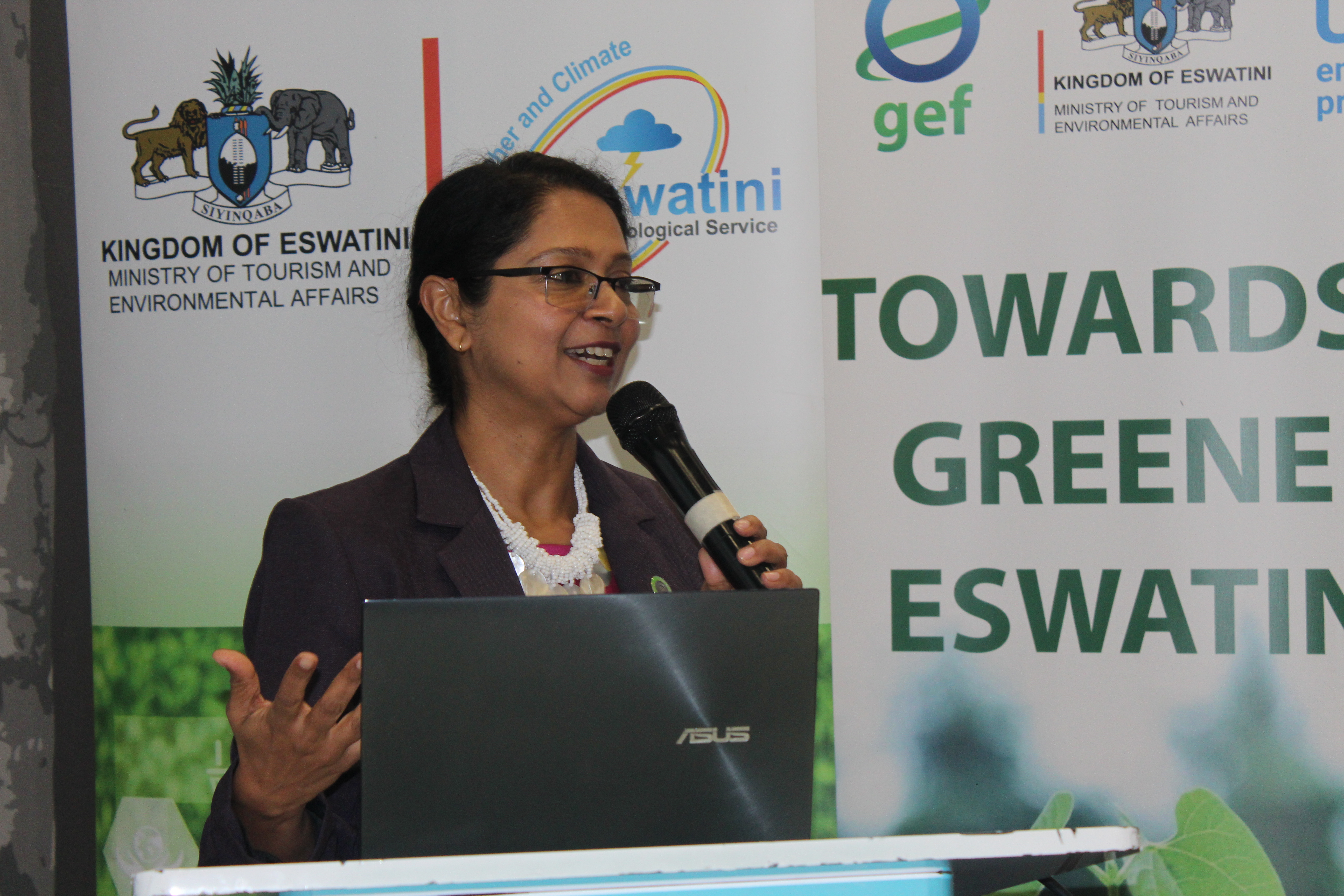 Commonwealth National Climate Finance Adviser to Eswatini Dr Deepa Pullanikkatil.
Under Article 13 of the Paris Agreement, countries are required to transition from traditional Measurement, Reporting and Verification (MRV) systems to the Enhanced Transparency Framework, which demands more rigorous and frequent reporting on greenhouse gas emissions, climate actions and progress on Nationally Determined Contributions (NDCs).
Mkhonta-Simelane emphasized that the transparency process is central to evidence-based policymaking and unlocking climate finance.
“This project serves as a cornerstone for evidence-based policymaking by providing the precise data required to measure our climate progress and effectively protect our communities,” she said.
She added that strong transparency systems send a powerful signal to the international community, enhancing Eswatini’s ability to mobilise climate finance from partners who prioritise credible and verifiable reporting.
The Minister further underscored the importance of multi-sectoral collaboration, calling on stakeholders to take ownership of the process.
“The BTR2/NC5 process requires high-quality data across all sectors, including energy, agriculture, waste and forestry,” she said, urging institutions to ensure reporting is inclusive and responsive to all groups.
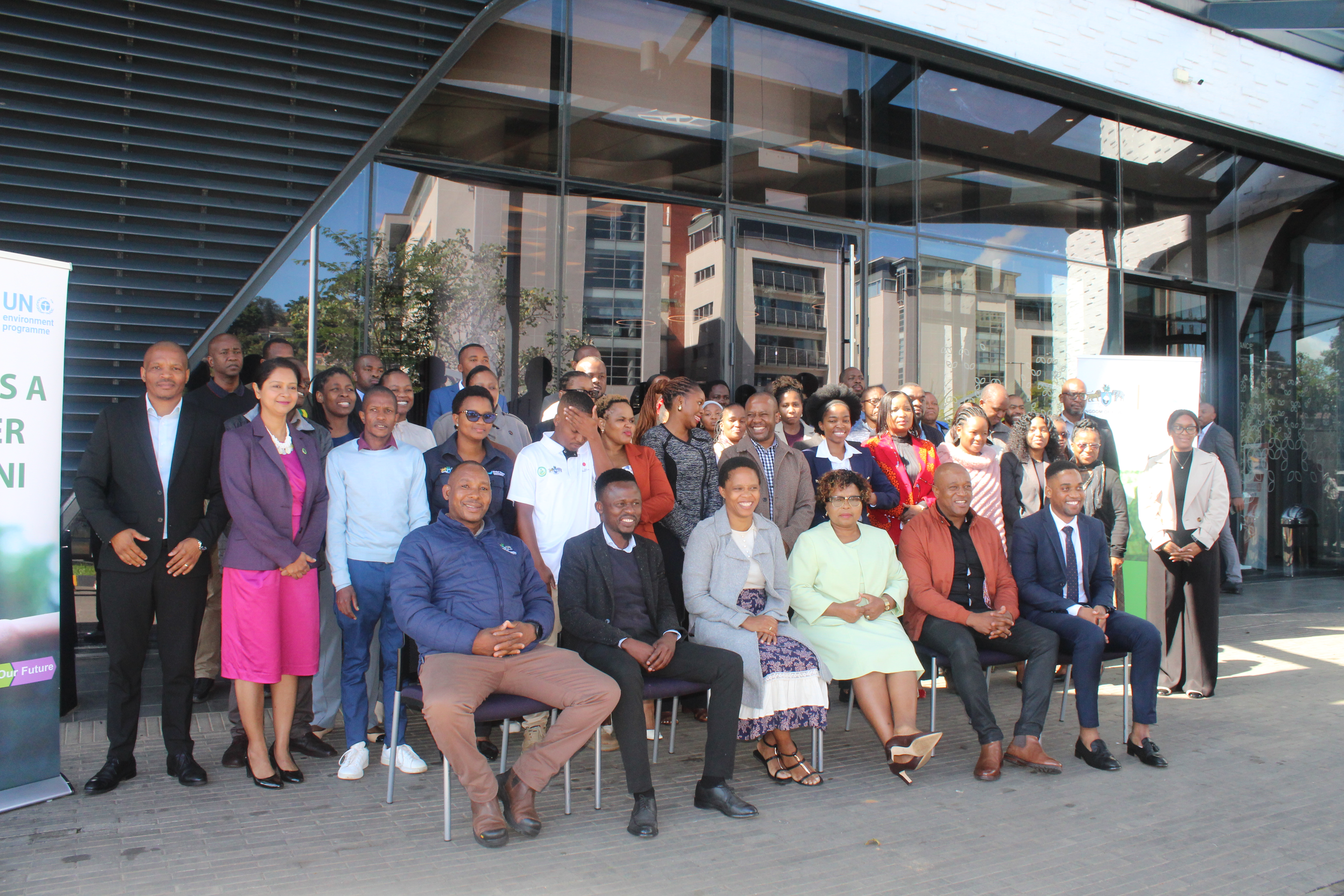 Stakeholders from government, academia, private sector, civil society and development partners attended the workshop.
Approximately 80 participants from government, academia, private sector, civil society and development partners attended the workshop, which aims to clarify roles, align data collection processes and establish a roadmap towards the submission of both reports by December 2026.
Closing her remarks, Mkhonta-Simelane expressed gratitude to the GEF and international partners for their continued support, noting that strong partnerships will be key to the success of the process.
“The strength of our reports lies in the strength of our partnerships,” she said, before officially declaring the workshop open.


