How the Climate Crisis Creates Opportunities for Green Economies?
By Editorial · March 25, 2026
As floods wash away homes, droughts parch fields, and fires scorch communities, the world is being forced to reckon with a painful truth: economic growth at the expense of nature is no longer sustainable.
Economies are faced with a new reality of going green. As floods wash away homes, droughts parch fields, and fires scorch communities, the world is being forced to reckon with a painful truth: economic growth at the expense of nature is no longer sustainable.
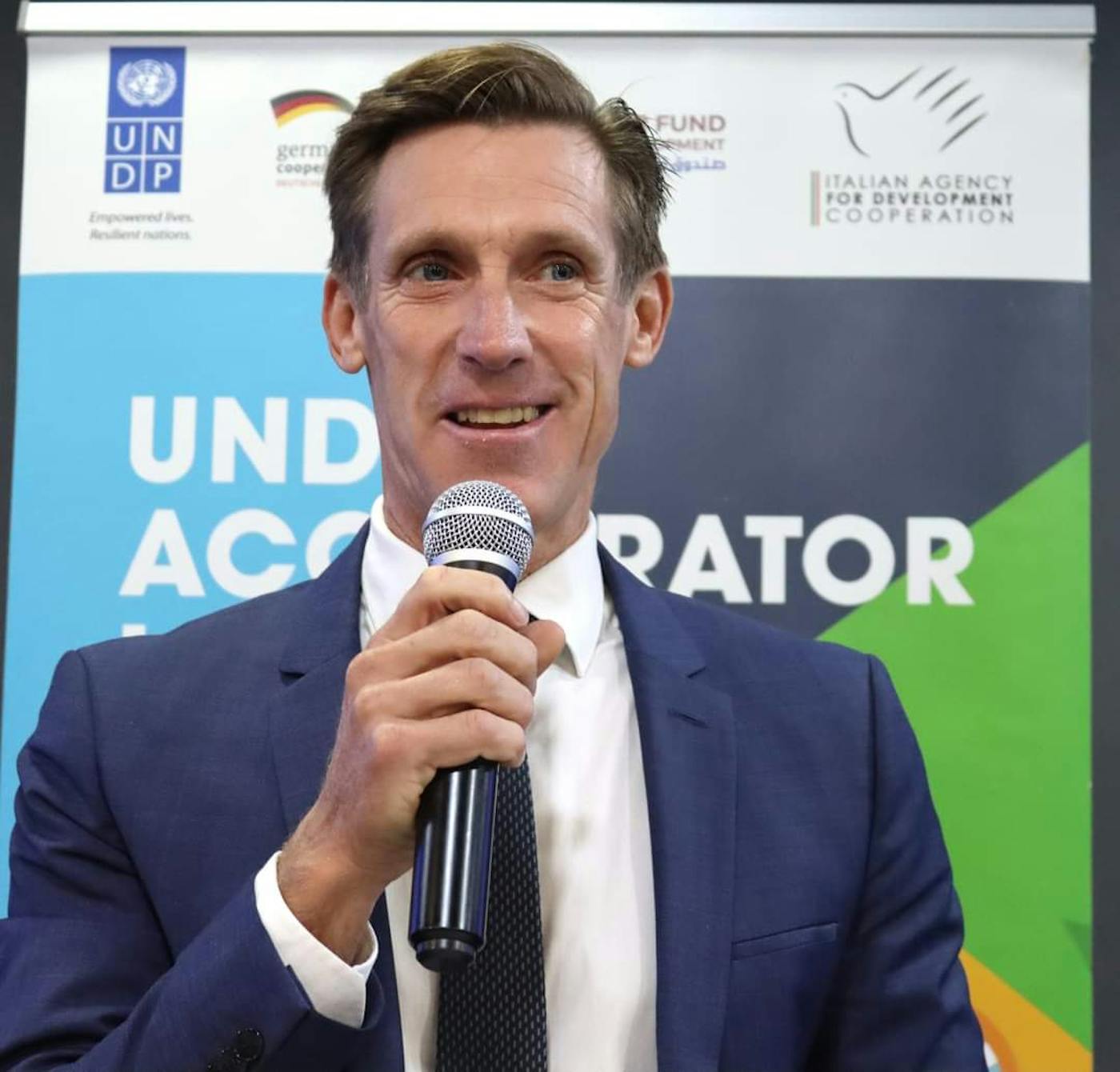
In an interview, United Nations Development Programme (UNDP) Eswatini Resident Representative Henrik Franklin emphasised that the urgency of greening economies has never been greater, warning that the world is experiencing a triple planetary crisis of climate change, biodiversity loss and pollution.
He argued that no country can achieve sustainable growth without shifting its development path towards greener practices. Franklin said many of today’s most pressing environmental challenges cut across borders, requiring collective effort and stronger multilateral cooperation. “All nations need to address this urgently,” he stressed, adding that economic growth built on resource exploitation and pollution is no longer viable. He pointed out that floods, droughts and wildfires already wreak havoc, destroying infrastructure, harming livelihoods and threatening human health. According to the Sustainable Development Goals website, greening the economy, or a green economy, is an economic system that promotes well-being and social equity while significantly reducing environmental risks and ecological scarcities. It shifts away from resource-intensive and inequality-exacerbating models to foster low-carbon, socially inclusive development through public and private investment in sustainable infrastructure and practices. Key principles include protecting, restoring, and investing in natural capital, as well as promoting sustainable consumption and production patterns.
According to the UNDP, a green economy results in improved human well-being and social equity, while significantly reducing environmental risks and ecological scarcities. It is low-carbon, resource, and socially inclusive. In practice, it promotes renewable energy, climate-smart agriculture, sustainable infrastructure, and the careful management of natural resources such as biodiversity and water. Franklin said such an approach is not just about protecting the planet, but about ensuring prosperity. “Green economy is about smart economics, operating within our planetary boundaries,” he remarked. He explained that a shift towards greener industries can unlock new jobs in renewable energy, sustainable farming and nature-based solutions. This is particularly vital for developing nations, where high youth unemployment remains a challenge. “Green economy can generate jobs in sectors like renewable energy and climate-smart agriculture," Franklin said, noting that employment opportunities would increasingly hinge on how countries adapt their economies to low-carbon pathways. The Resident Representative further observed that greening economies is also about global competitiveness. “Green growth is also about economic competitiveness, as many markets, like the European Union, are increasingly promoting low greenhouse gas emission and non-polluting imports,” he said. Countries that fail to adapt risk being excluded from lucrative markets, threatening both exports and jobs.
A number of countries have already embraced green economy models with tangible results. Research pointed to Rwanda as an example, where the government has integrated green growth into its national development strategy, investing in renewable energy, banning single-use plastics, and restoring degraded ecosystems. The East African nation has won international recognition for combining poverty reduction with environmental sustainability, proving that development need not come at the expense of nature.
Adapting to an unpredictable climate is equally important, Franklin said, if countries were to avoid devastating losses. He noted that more frequent extreme weather events were already eroding progress in many parts of the world, with disproportionate impacts on vulnerable communities. “Adapting to an increasingly variable and unpredictable climate is essential for reducing both human and material losses,” he said.
Franklin concluded that greening economies are no longer a matter of choice, but of survival and opportunity.