Climate Crisis Fuels Malaria Surge Threatening 5 Billion
By Editorial · May 19, 2026
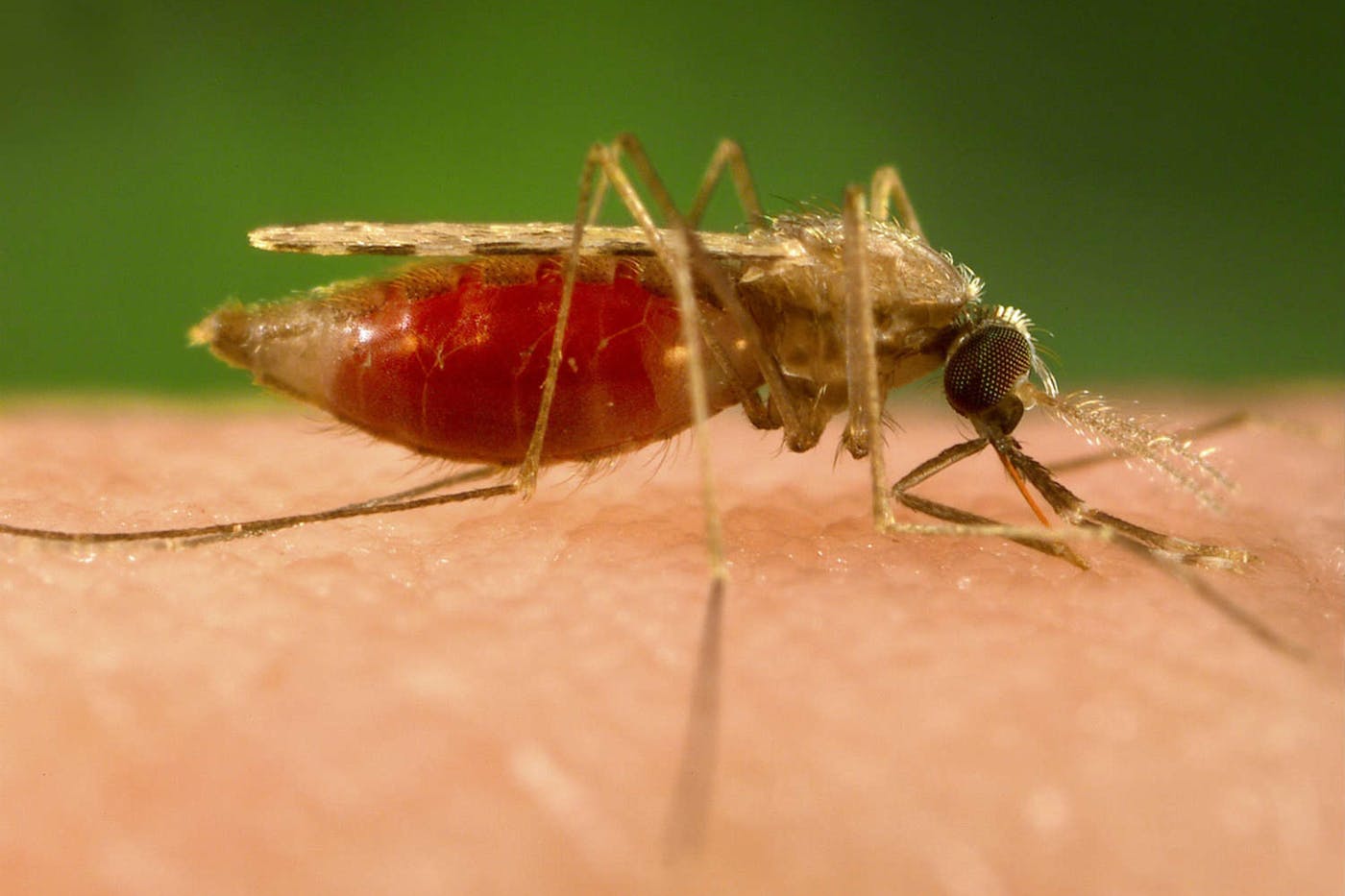
Once confined to tropical zones, malaria is now advancing with the heat, placing billions across the globe in the path of a growing climate-driven health crisis.
By 2040, a warming world may stir a silent storm, unleashing malaria’s reach to five billion lives and rewriting the map of human vulnerability.
Climate change and rapid population growth could put more than five billion people at risk of contracting malaria by 2040, according to a Washington Post analysis supported by several scientific reports. Experts warn that this looming threat could undo decades of progress in controlling one of the world’s deadliest diseases.
The projection shows that longer malaria transmission seasons, shifting mosquito habitats and rapid population expansion could drastically expand the regions where malaria thrives. The Washington Post reported that in Africa alone, one billion additional people could be exposed to malaria risk by 2040 if current climate trends continue. Countries like Mozambique are expected to experience dramatic increases in exposure, with the population at risk projected to rise sharply by 2040 and again by 2070.
“Climate change is redrawing the map of malaria,” said Dr Amara Diop, a global health researcher.
“Places that were once too cool or too dry for transmission are becoming ideal breeding grounds for mosquitoes.” Malaria continues to exact its heaviest toll in Africa.
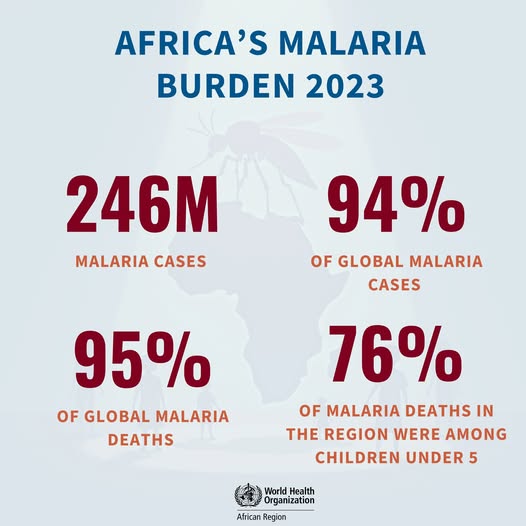
The World Health Organisation has reported that the continent accounts for more than 90 per cent of malaria cases and deaths worldwide. In 2022, there were an estimated 249 million cases of malaria globally, causing over 600,000 deaths, with young children under five bearing the brunt of the disease.
The global progress achieved during the early 2000s has slowed in recent years. Malaria cases rose by millions between 2022 and 2023, even though deaths remained roughly stable.
"No one should die of malaria; yet the disease continues to disproportionately harm people living in the African region, especially young children,” said WHO Programme Management Officer Dr Kevin Makadzange. The aforementioned scientists stated that the threat is intensifying because warmer temperatures are enabling mosquitoes to survive and breed for longer periods each year. This extends the transmission season, giving the malaria parasite more opportunities to spread.
Mosquitoes are also moving into higher altitudes and cooler regions that previously offered protection from malaria, putting new populations at risk. Climate variability is creating more favourable breeding habitats for mosquitoes, while rapid population growth in vulnerable regions means more people are living in high-risk areas. Entomologist Professor James Ndlovu said these were perfect conditions for malaria to thrive. “It is not just about more mosquitoes; it is about them living longer, biting more, and reaching places they have never been before.” Experts warn that traditional malaria control measures such as indoor residual spraying and bed net distribution are becoming harder to time and target as climatic conditions shift. “Our calendars used to guide us. Now the rains come late or early, mosquitoes appear unexpectedly, and our interventions miss their mark,” remarked Ndlovu. Eswatini provides a telling example. For many years, it was regarded as lying on the margins of stable malaria transmission. Its malaria incidence declined in the early 2000s, but the country has faced periodic surges linked to cross-border importation and seasonal patterns.
Between 2012 and 2019, Eswatini’s reported malaria cases fluctuated between 460 and 1,198 annually, with incidence peaking in 2017. Over that period, the share of locally transmitted cases grew significantly. Transmission is highly seasonal, with most cases occurring during the wet months between November and May. Recent data show that the country has made strides in reducing malaria but remains vulnerable. In 2021, Eswatini recorded 581 malaria cases and five deaths. This figure dropped to 369 cases and four deaths in 2022.
However, the World Bank reported 845 cases in 2023, indicating a worrying uptick. Health officials have pointed to Eswatini’s proximity to Mozambique, one of the world’s high-burden malaria countries, as a persistent source of imported cases. Minister of Health's Health Promotions Officer Calvin Dlamini said they were observing escalating cases of malaria in recent years, stating that health officials had been sensitised on matters of climate change and disease patterns.
“Borders do not stop mosquitoes. If Mozambique has a surge, we feel it within weeks,” explained Dlamini. Dlamini commented further, the change in weather patterns, especially the intense heat waves, have increased the cases of heat-related illnesses even in Eswatini. “EmaSwati should expect more heat-related complications as long as the intense the country experiences the intense heat waves that it has in the recent years,” said Dlamini.
The Washington Post analysis identified four main drivers of this expanding threat, which are warmer temperatures extending mosquito breeding seasons, migration of malaria-carrying mosquitoes into new altitudes and latitudes, climatic changes creating better habitats, and rapid population growth in malaria-prone regions. Together, these factors were said to create the conditions for a major expansion of the disease’s global footprint.
Experts say urgent action is needed to adapt public health strategies to the changing reality. This includes improving disease surveillance, deploying interventions more flexibly, and strengthening cross-border cooperation. They also emphasise that reducing greenhouse gas emissions remains critical for slowing the spread of malaria risk over the long term.
Without decisive measures, health authorities fear that decades of hard-won progress could be reversed, with devastating consequences for millions of vulnerable people. For Eswatini and many other African countries, the fight against malaria is entering a new and uncertain phase. Climate change is not just an environmental issue but a direct public health threat that could reshape the global malaria landscape within a generation.