ENTC pushes gender-inclusive biodiversity conservation agenda
By Phumelele Mkhonta · May 15, 2026
As Eswatini’s threatened flora whisper for survival, the nation is weaving gender inclusion into the heart of biodiversity conservation.
The Eswatini National Trust Commission (ENTC) has intensified efforts to mainstream gender inclusion within biodiversity conservation, as government officials, environmental experts, civil society representatives and community stakeholders gathered for the Consultative Workshop on Gender Priorities for the Biodiversity Sector currently underway at the Hilton Garden Inn in Mbabane.
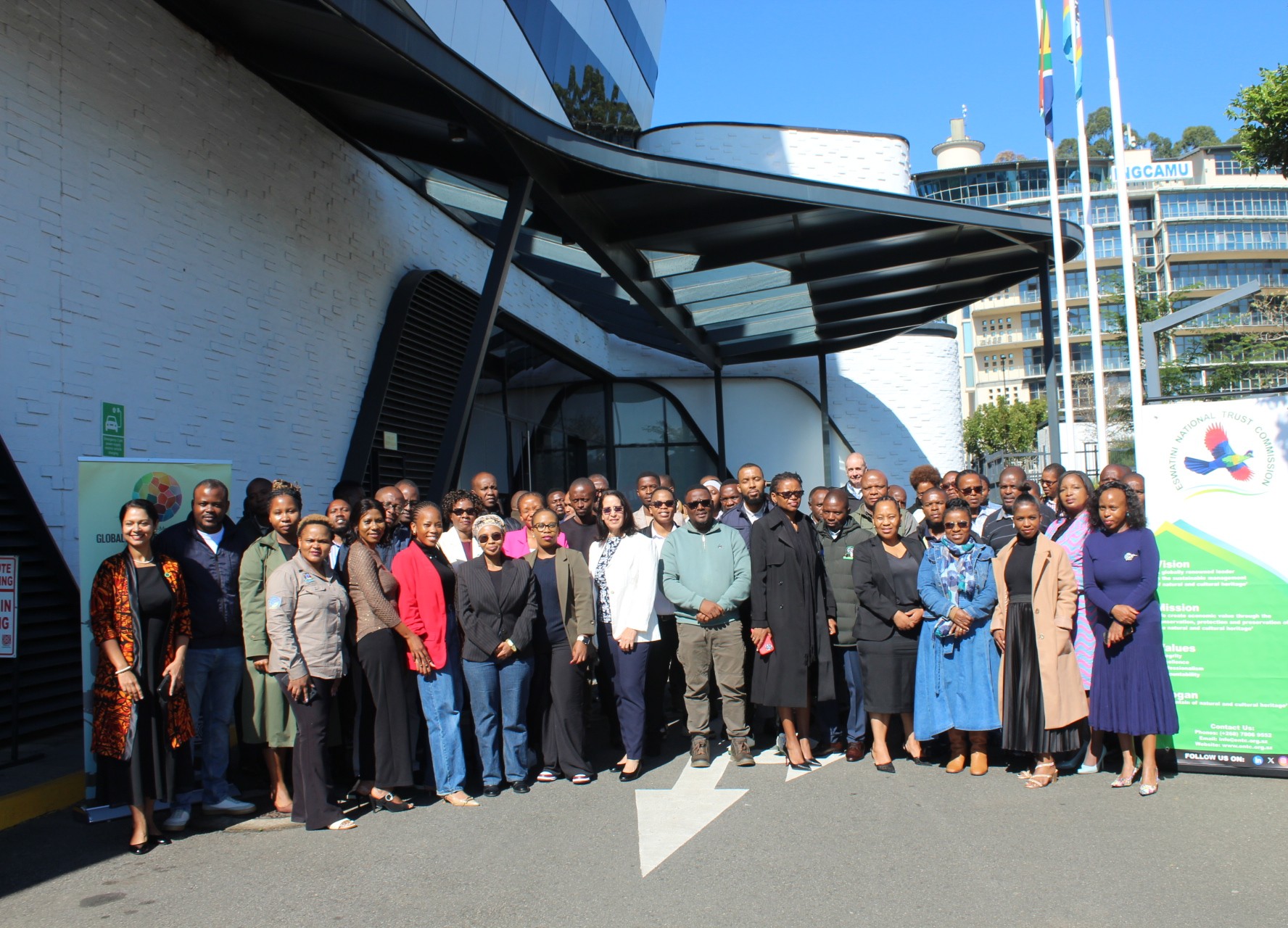 Stakeholder at the Consultative Workshop on Gender Priorities for the Biodiversity Sector.
The workshop seeks to strengthen inclusive and gender-responsive approaches within biodiversity governance, conservation programmes and institutional processes in Eswatini. Participants are reviewing findings from the Gender Situational Analysis as well as the draft Gender Plan of Action for the biodiversity sector, both aimed at integrating gender considerations into conservation policy and implementation.
Representing the ENTC Chief Executive Officer, Saneliso Makhanya said the initiative reflected the importance of collaboration and collective responsibility in shaping a biodiversity sector that was inclusive, equitable and responsive to the needs of all members of society.
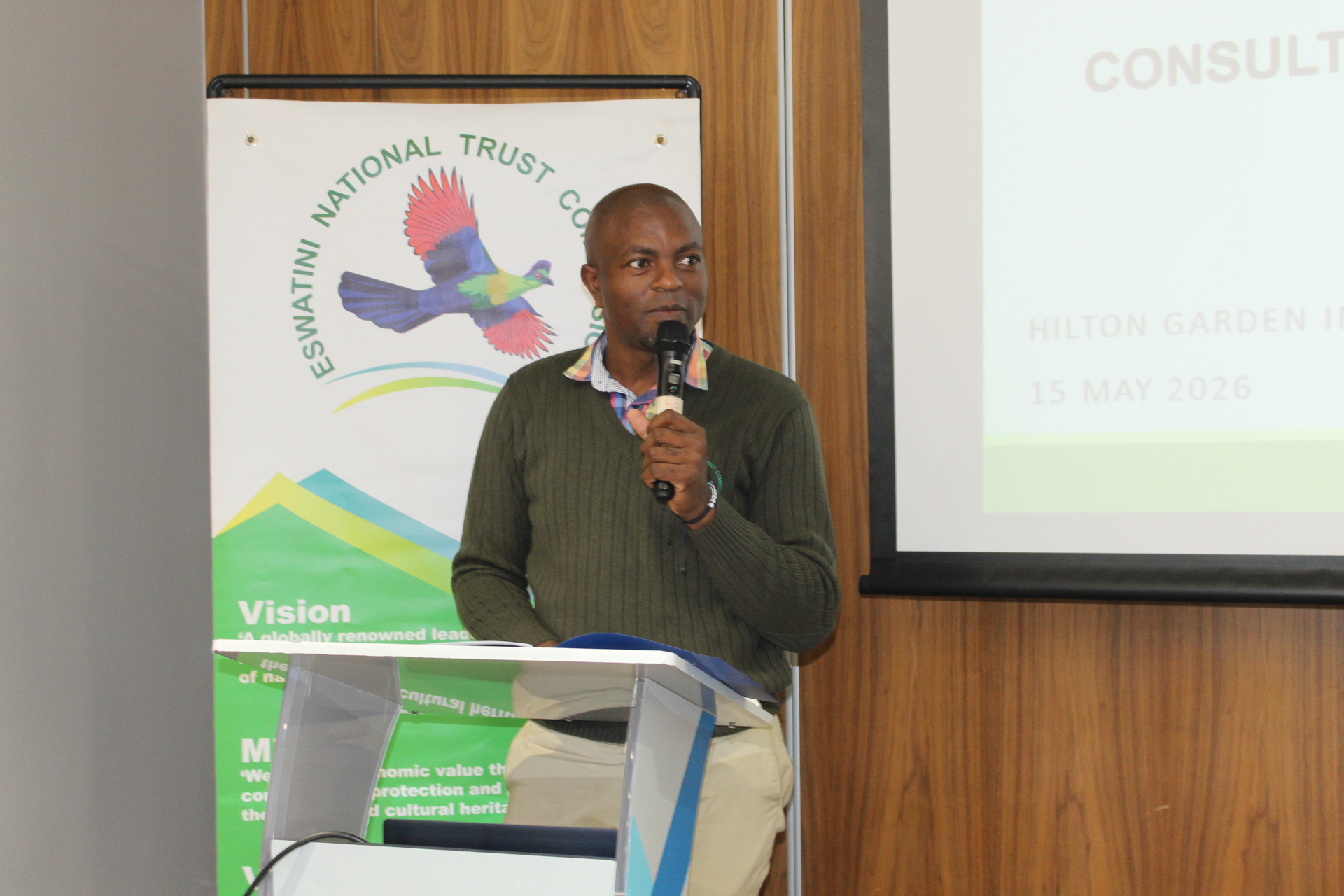 ENTC CEO Representative Saneliso Makhanya making his remarks.
He explained that biodiversity conservation involved the protection, restoration and sustainable management of ecosystems, wildlife, plant species and natural resources to ensure environmental sustainability for present and future generations. In Eswatini, biodiversity remains critical for supporting agriculture, water security, tourism, climate resilience and livelihoods, particularly in rural communities that depend heavily on natural ecosystems.
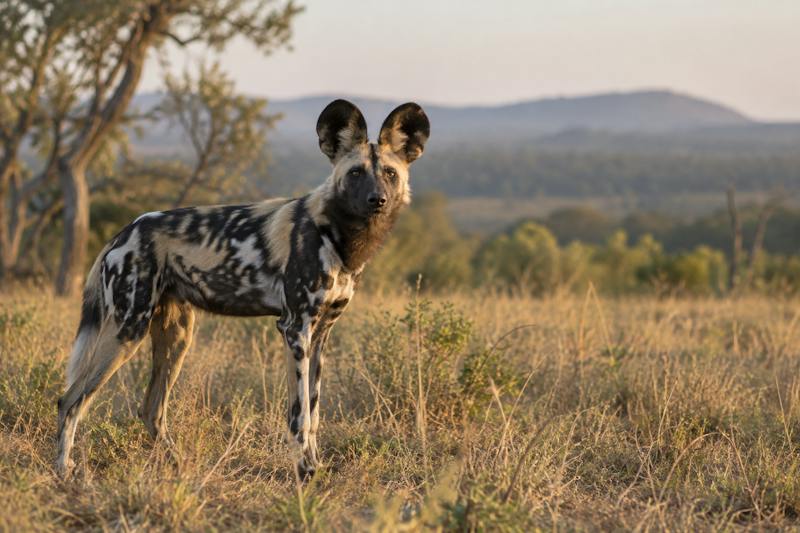
Eswatini is home to diverse flora and fauna, including indigenous forests, wetlands and grasslands that continue to face pressure from climate change, habitat degradation, unsustainable land use and invasive species. Several plant species found within the country are listed on the International Union for Conservation of Nature (IUCN) Red List of Threatened Species, highlighting the urgent need for strengthened conservation efforts and sustainable natural resource management. “Strengthening gender responsiveness is therefore not only a social imperative, but also essential for improving conservation outcomes, governance systems, and community resilience,” said Makhanya.
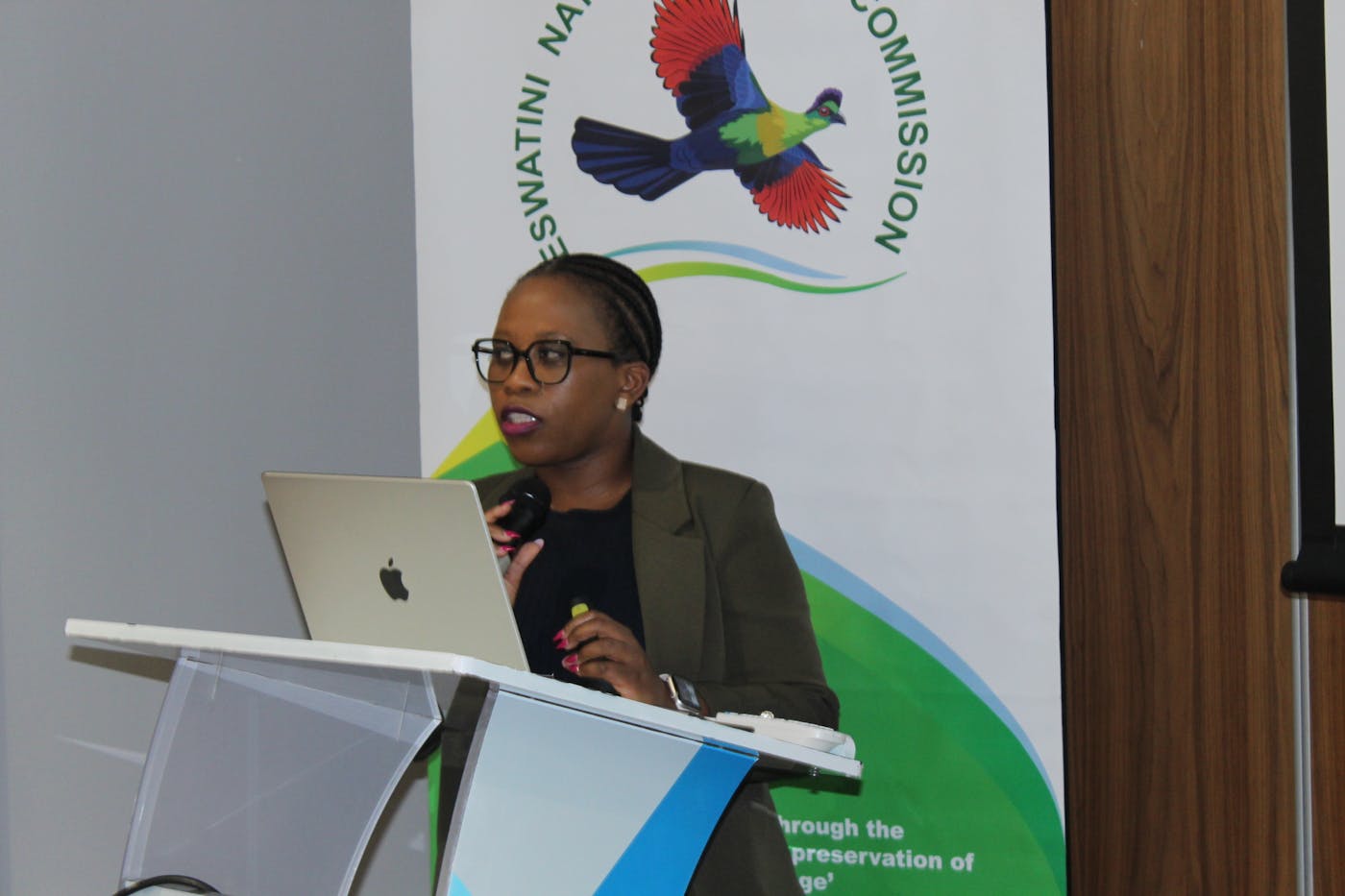
Meanwhile, the Representative of the Principal Secretary in the Ministry of Tourism and Environmental Affairs Constance Dlamini said biodiversity remained central to Eswatini’s sustainable development aspirations, supporting livelihoods, food security, ecosystem services, climate resilience and the country’s cultural and natural heritage.
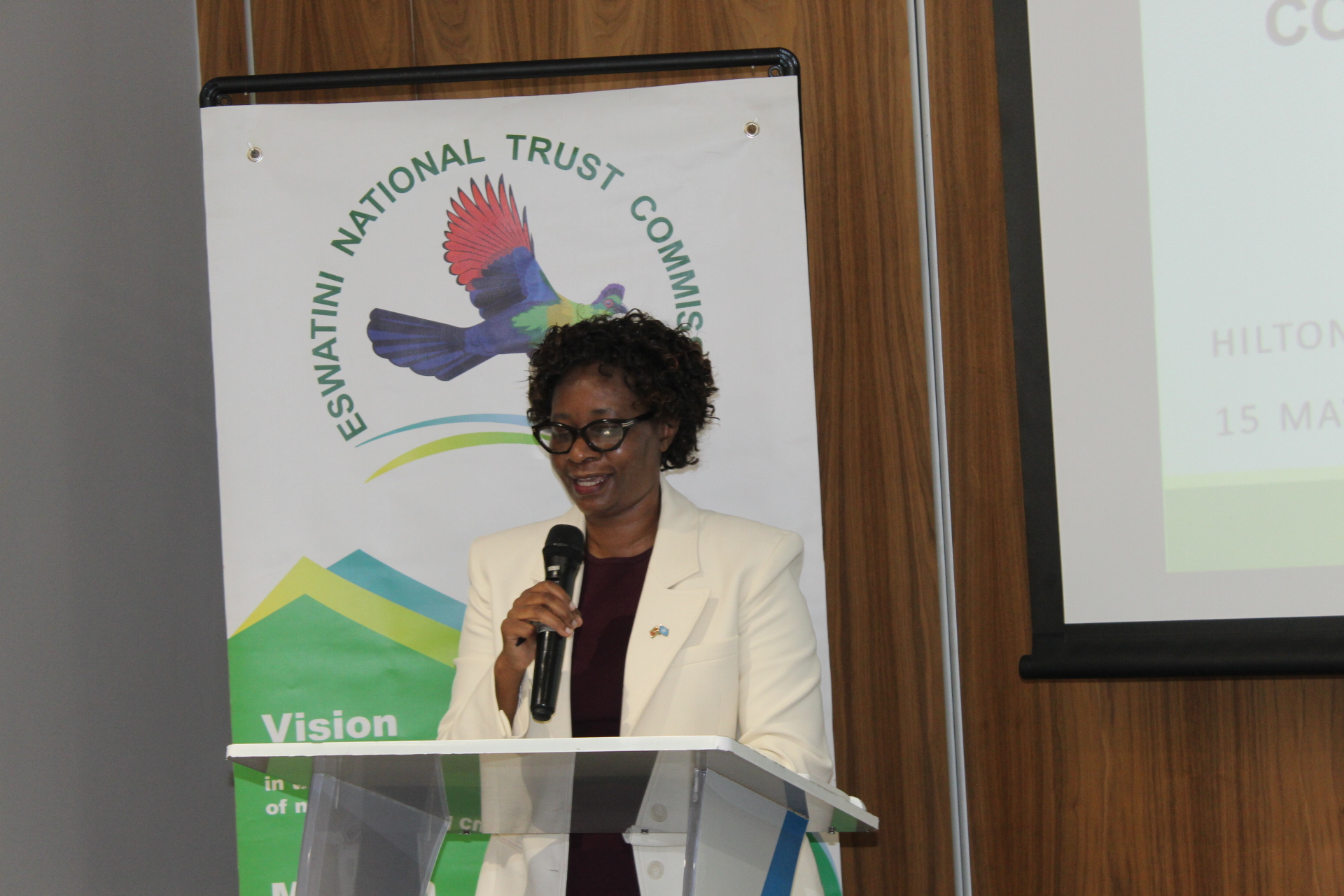 Representative of the Principal Secretary in the Ministry of Tourism and Environmental Affairs Constance Dlamini.
Dlamini noted that women, men, youth and vulnerable groups often experienced environmental challenges differently, especially regarding access to natural resources, participation in decision-making, leadership opportunities and benefit sharing.
“It is therefore encouraging to note the progress made through the development of the Gender Situational Analysis and the draft Gender Plan of Action for the biodiversity sector,” said Dlamini.
She added that the processes demonstrated collective commitment towards ensuring that biodiversity governance and conservation efforts remained environmentally sustainable, socially inclusive and equitable, while also identifying practical pathways for mainstreaming gender considerations across policies, programmes and reporting processes.