A BURNING WORLD
By Phumelele Mkhonta · August 10, 2026
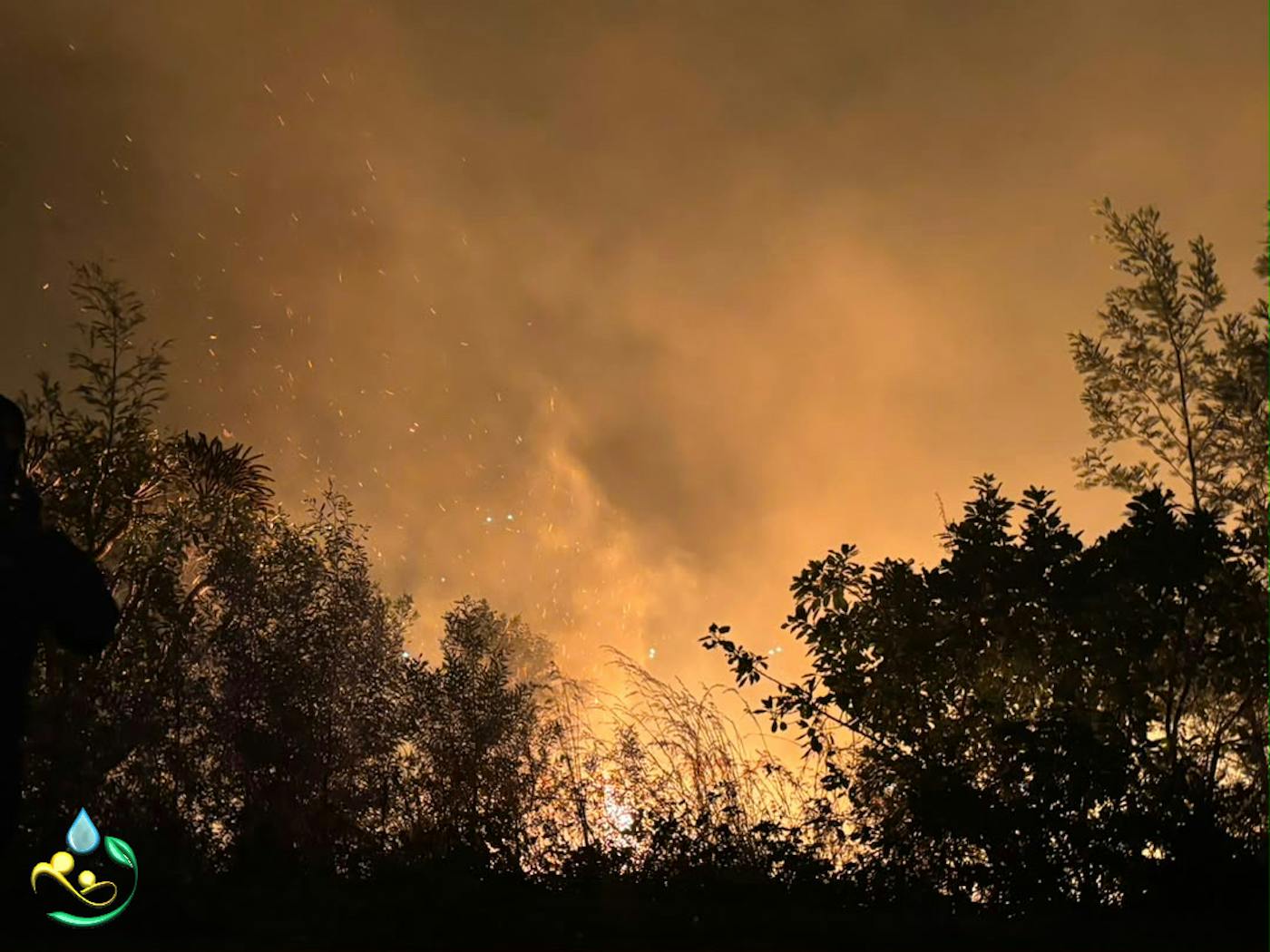
As wildfires force evacuations across the globe, flames burning dangerously close to homes in Mbabane bring the growing threat of a burning world closer to home.
The orange glow of flames cutting through vegetation around Mbabane on Sunday night was more than another dry-season veld fire. With flames burning dangerously close to homes, the incident brought to Eswatini’s doorstep a growing environmental threat being witnessed across different parts of the world.
Video footage captured in Mbabane shows an intense fire spreading through vegetation as smoke engulfed the surrounding area. The proximity of the flames to residential properties raised concerns about the danger wildfires pose to people, homes, ecosystems and air quality, particularly when dry vegetation combines with persistent winds.
The incident comes as the Eswatini Meteorological Service has issued a wildfire alert, specifically warning about “persistent windy conditions.” The Service says historical fire patterns show that the danger does not disappear with the end of July. “July remains a prominent month with fires and August even, according to previous fire studies,” the Meteorological Service warned.
It further highlighted the environmental conditions making vegetation increasingly susceptible to burning, stating that a “high rate of evaporation and evapotranspiration leads to quick drying of vegetation and decreasing water catchment areas.”
These conditions mean that a single ignition can potentially develop into a much larger fire, particularly where vegetation has dried significantly. Wildfires becoming a global emergency
The scenes witnessed in Mbabane are unfolding against a much bigger international picture.
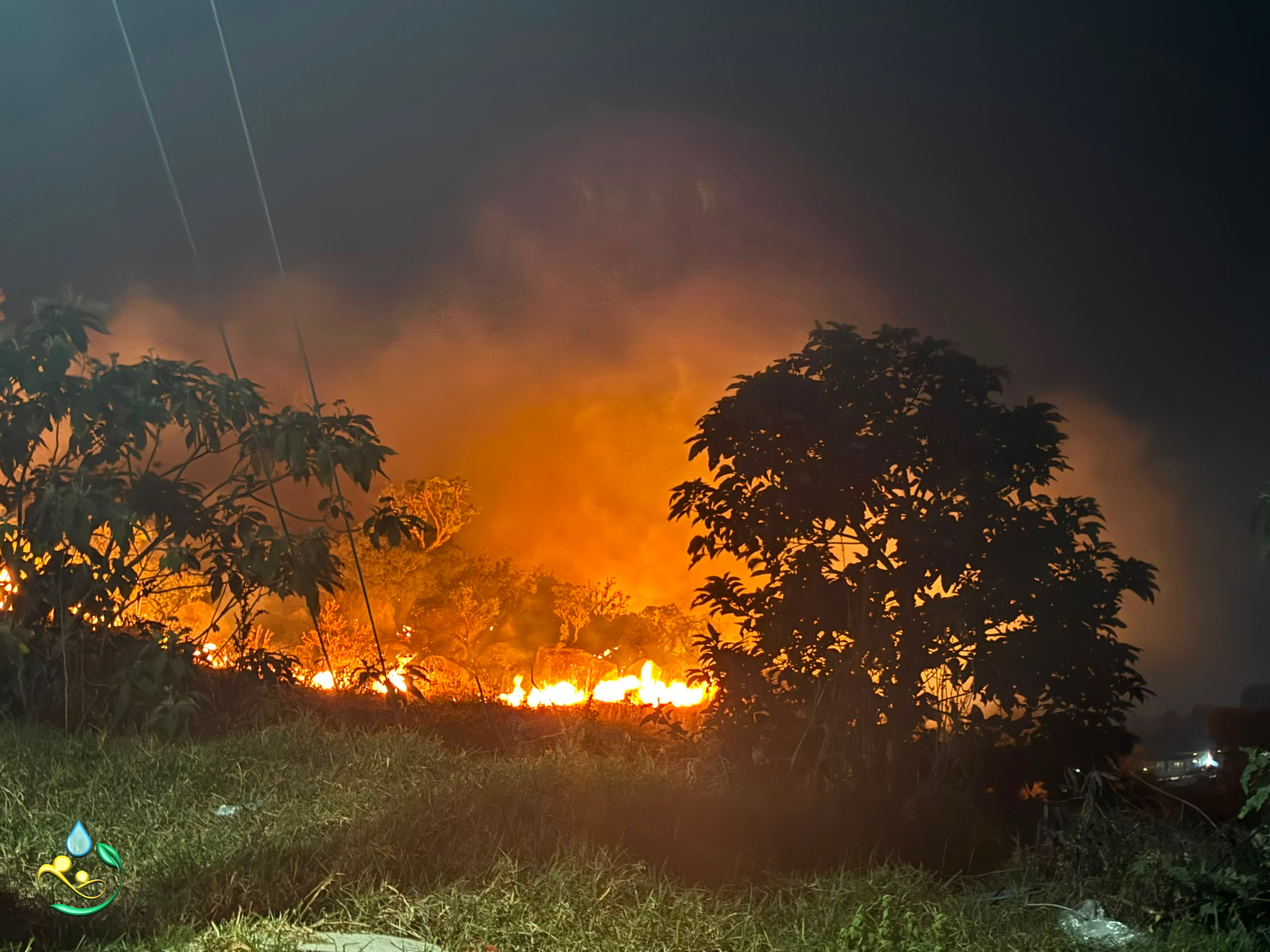 Wildfires have become a norm in the city of Mbabane in Eswatini
According to international media reports, communities in parts of Canada have faced evacuation orders as wildfires spread through dry landscapes, while parts of Europe have similarly experienced destructive fires during periods of extreme heat and dry weather.
Countries including France, Spain and Greece have faced recurring wildfire emergencies in recent years, forcing authorities to evacuate residents and tourists from threatened communities.
The United States has also experienced major wildfire emergencies, particularly across western states, where fires have destroyed homes, damaged ecosystems and generated smoke capable of travelling hundreds or even thousands of kilometres.
While individual fires have different causes and cannot automatically be attributed to climate change, scientists have repeatedly warned that hotter temperatures, prolonged dry conditions and changes in rainfall can create conditions that allow fires to ignite and spread more easily.
For Eswatini, the risk is particularly visible during the dry winter months when large areas of grassland and other vegetation become highly combustible.
Wildfires are also an air-quality problem. The danger, however, does not end where the flames stop.
Wildfires release large quantities of smoke and fine particulate matter into the atmosphere, meaning communities far from the actual fire can also be affected. This connection was highlighted recently when concerns were raised about deteriorating air quality in Mbabane.
Climate change specialist Rex Brown said the elevated particulate matter recorded at the time was closely connected to widespread fires. Brown said “the current high PM levels were largely a result of widespread fires across the region, though cross-border emissions contributed to worsening air quality.”
His observation places wildfires within a much broader environmental challenge. Fires do not only destroy vegetation and threaten property; the smoke they generate can contribute to declining air quality across extensive areas. During that period, Mbabane recorded elevated levels of PM2.5 — microscopic particles capable of remaining suspended in the atmosphere and travelling considerable distances.
This means a wildfire burning on a hillside can potentially become an air-quality concern for communities kilometres away.
The fire witnessed around Mbabane therefore carries significance beyond the dramatic images of flames against the night sky. Eswatini's landscapes are particularly vulnerable during periods when grasslands and vegetation have dried out. Strong winds can then accelerate a fire, carry burning material to new areas and make containment considerably more difficult. This is why the Meteorological Service is placing significant emphasis on human responsibility.
“Let’s continue to be responsible citizens in handling fire,” the Service appealed. Its wildfire alert advises the public not to start unnecessary fires, smoke in dry areas, burn grass or waste, throw away burning materials or undertake activities capable of igniting surrounding vegetation. The warning becomes particularly important where veld fires occur close to settlements, roads, electricity infrastructure, forests and water catchment areas. A fire that begins in open grassland can rapidly become an emergency when wind changes direction or increases in strength.
Wildfires also carry a significant ecological cost. Repeated fires can destroy habitats, kill wildlife, damage soil structure and remove vegetation that protects landscapes against erosion. Where fires affect catchment areas, the consequences can extend to water resources. Vegetation plays an important role in regulating water movement through landscapes. Its destruction can leave soils exposed and affect how water is absorbed and retained when rains eventually return. This explains the broader message contained in the Meteorological Service's warning: “Protect our environment, our water sources and our future.” The images coming from Mbabane are therefore part of a much bigger story. From communities evacuating wildfire zones internationally to flames advancing towards homes in Eswatini, fire is increasingly demonstrating how closely interconnected climate, ecosystems, human behaviour, air quality and public safety have become.
For emaSwati, the immediate message is not one of panic, but vigilance. During a season of dry vegetation and persistent winds, every discarded burning object, uncontrolled grass fire or careless ignition carries greater consequences. The flames around Mbabane may eventually disappear and the smoke clear. But against the backdrop of fires burning across different parts of the planet, they leave behind an unmistakable warning.
The world is burning in many places, and preventing the next fire may begin with something as simple as preventing the next spark.