
Gone from the Kingdom: African Wild Dog Declared Extinct in Eswatini
By Phumelele Mkhonta · September 9, 2026
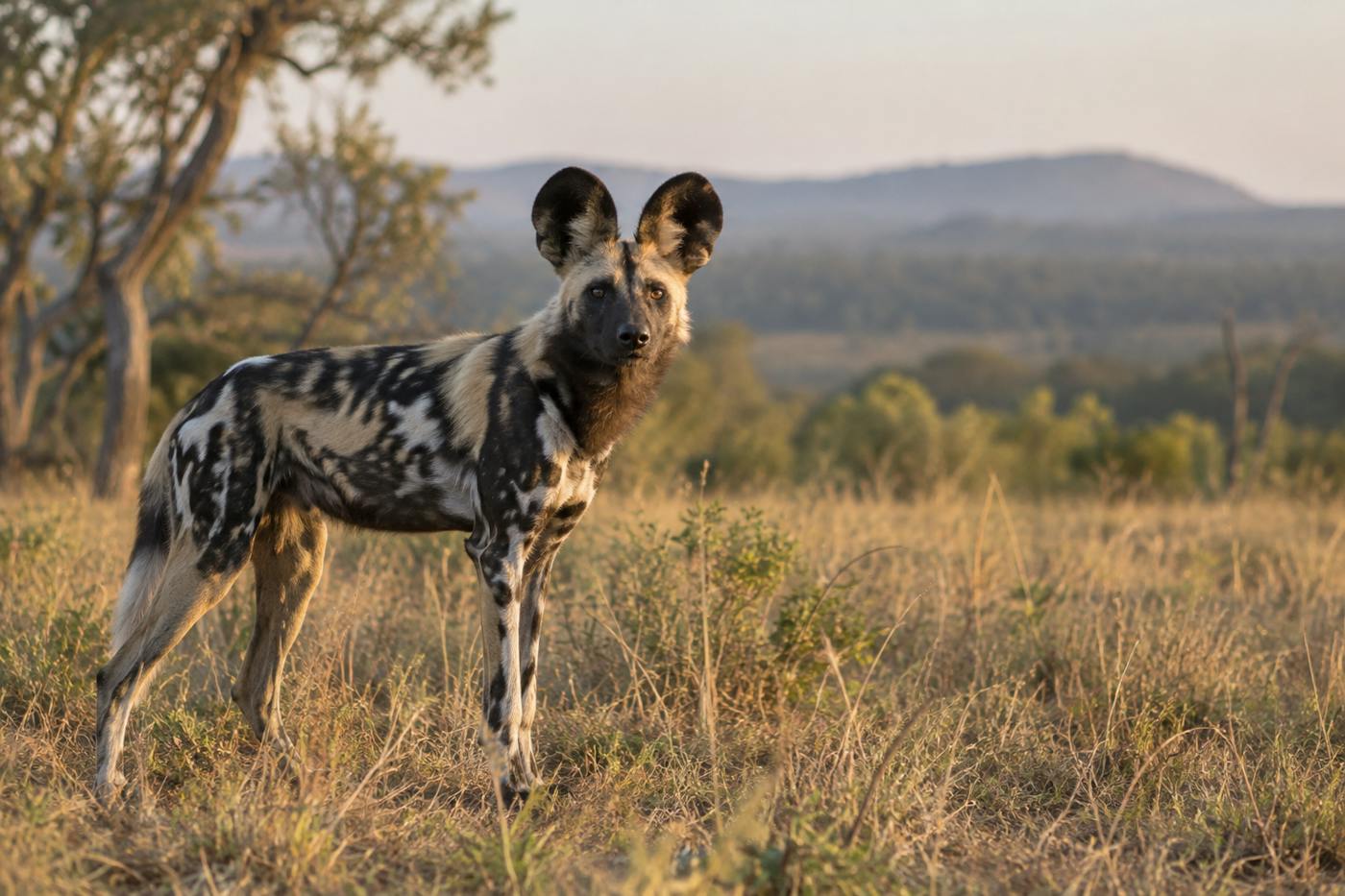
Once a part of Eswatini’s wild landscape, the African wild dog has vanished- leaving behind a warning that more of the Kingdom’s threatened fauna could quietly follow.
Once part of Eswatini’s rich wildlife heritage, the African wild dog has disappeared from the country- surviving only as an occasional visitor crossing into the Kingdom.
Environmental scientist Dr Wisdom Dlamini confirmed the local extinction during an interview with Climate & Environment News Network (CENN), warning that changing habitats and climatic conditions are forcing wildlife to move beyond its traditional ranges.
 Environmental Scientist Dr Wisdom Dlamini.
“The African wild dog is extinct in Eswatini, although it may occasionally enter the country as a visitor,” Dr Dlamini said.
He attributed the disappearance to habitat loss and climate change, which continue to alter ecosystems and reduce the availability of suitable territory for wildlife.
“Unlike plants, animals move. When the conditions are no longer suitable, they migrate in search of better habitats, water and food,” he explained.
The extinction is national rather than global. African wild dogs still survive elsewhere in Southern and Eastern Africa, but their disappearance as an established species in Eswatini demonstrates how rapidly wildlife can be lost when habitats become fragmented.
According to Eswatini’s National Biodiversity Strategy and Action Plan, numerous animal species in the country have declining populations, while some, including the African wild dog, have already become locally extinct.
According to the Convention on Biological Diversity’s Eswatini Country Profile, the country has recorded declines and extinctions among wild-animal species and populations. The profile states that approximately 25% of Eswatini’s terrestrial ecosystems has been converted to other land uses, including industrial timber and sugarcane plantations and urban development.
Other animals remain under severe pressure. Eswatini is home to the Critically Endangered white-backed, white-headed and hooded vultures. The lappet-faced vulture is Endangered, while the Cape vulture is Vulnerable.
According to BirdLife International, vultures in Eswatini face poisoning, lead exposure and other human-induced threats. The South-central black rhinoceros is also Critically Endangered, while Temminck’s ground pangolin is threatened by habitat loss, poaching and illegal wildlife trafficking.
According to the 2025 Regional Mammal Red List covering Eswatini, South Africa and Lesotho, approximately 20% of the 336 mammal taxa assessed are threatened with extinction. Eleven species were moved into higher threat categories.
The disappearance of the African wild dog is therefore more than the loss of one predator. It is a warning: without connected habitats and stronger protection beyond formal reserves, more of Eswatini’s fauna could quietly follow it into local extinction.