
Climate Change Deepens Livelihood Risks for Eswatini’s Street Vendors
By Nonkululeko Dlamini · September 23, 2026
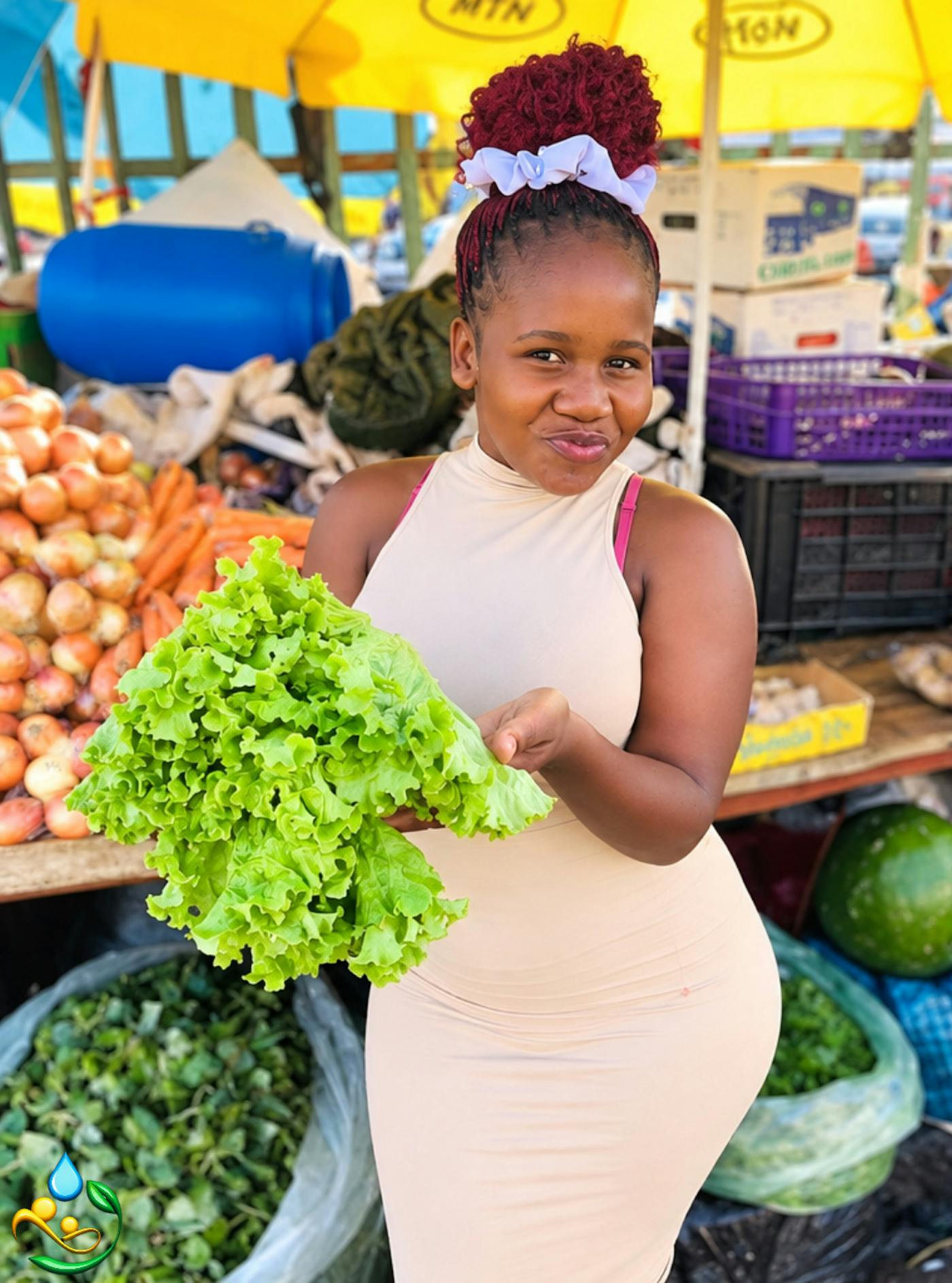
As heat spoils her vegetables and rain keeps customers away, a Mbabane vendor’s daily losses reveal how exposed informal livelihoods are to the weather.
For Bhembe Noncedo, a fruit and vegetable vendor in Mbabane, hot weather can mean watching potential earnings wilt before a customer arrives. Rain brings another setback: fewer buyers and produce that can spoil, leaving her with losses instead of income.
“When it is too hot, my vegetables wilt and spoil, and I end up losing goods that I could have sold. When it rains, fewer customers come to the market, so my sales go down. Sometimes the vegetables also rot because of the rain,” she said.
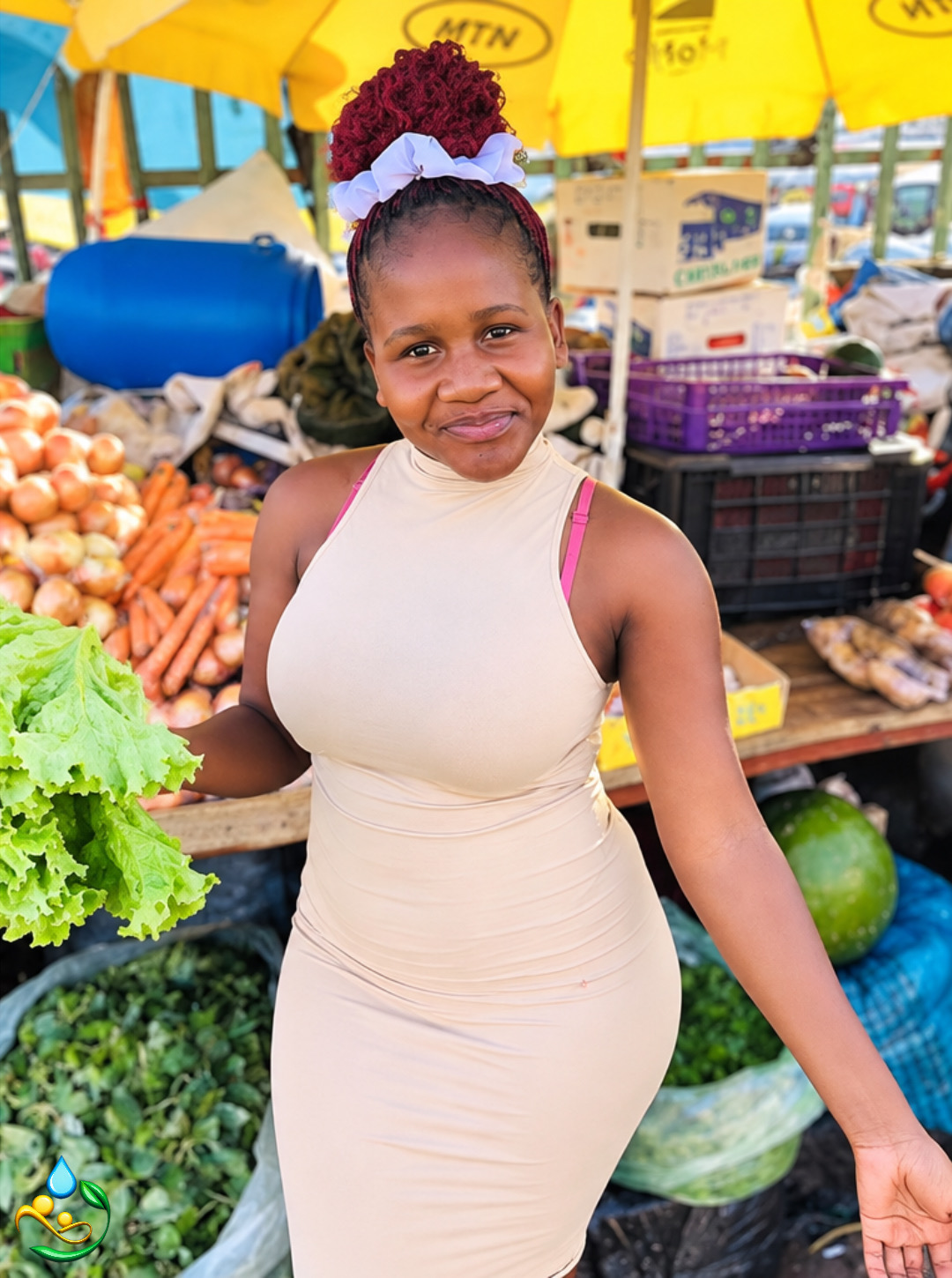 Vendor based in Mbabane Noncedo Bhembe.
Her account highlights the financial distress that weather can cause traders whose livelihoods depend on selling perishable goods. Stock lost to spoilage represents money already spent, while slower sales reduce what a vendor takes home.
These challenges place street vendors at the centre of a wider climate concern: how people working outdoors can protect their livelihoods as temperatures rise.
According to the Intergovernmental Panel on Climate Change, hot extremes, including heatwaves, have become more frequent and intense globally since 1950, with human-induced climate change the main driver. Although Noncedo’s individual losses cannot establish the role of climate change in a particular day’s weather, her experience illustrates the vulnerability of outdoor trading to heat and rainfall.
For vendors, adapting to these pressures involves more than finding temporary relief from the sun. Protecting produce, maintaining safe trading spaces and keeping markets accessible during rain are also essential to sustaining business.
According to Eswatini’s Nationally Determined Contribution 3.0, the country plans to strengthen infrastructure against climate risks, expand nature-based solutions in urban areas and implement climate-smart planning. It also identifies informal sector actors among the groups that should benefit from inclusive climate action.
Applying those commitments to informal markets could include well-designed shelters, shaded stalls, improved drainage and suitable storage for perishable goods. Such measures could help reduce traders’ exposure and protect the stock on which their earnings depend.
Noncedo’s experience brings the issue back to the daily uncertainty of earning a living.
“At the end of the day, whether it is extreme heat or heavy rain, the weather affects how much I can sell and how much money I take home,” she said. For Eswatini’s street vendors, climate resilience must also mean being able to trade without losing their livelihoods to the weather.