
Africa Can No Longer Afford Another Cycle of Climate Negotiations, Says African CSOs at UNFCCC SB64
By Editorial · June 9, 2026
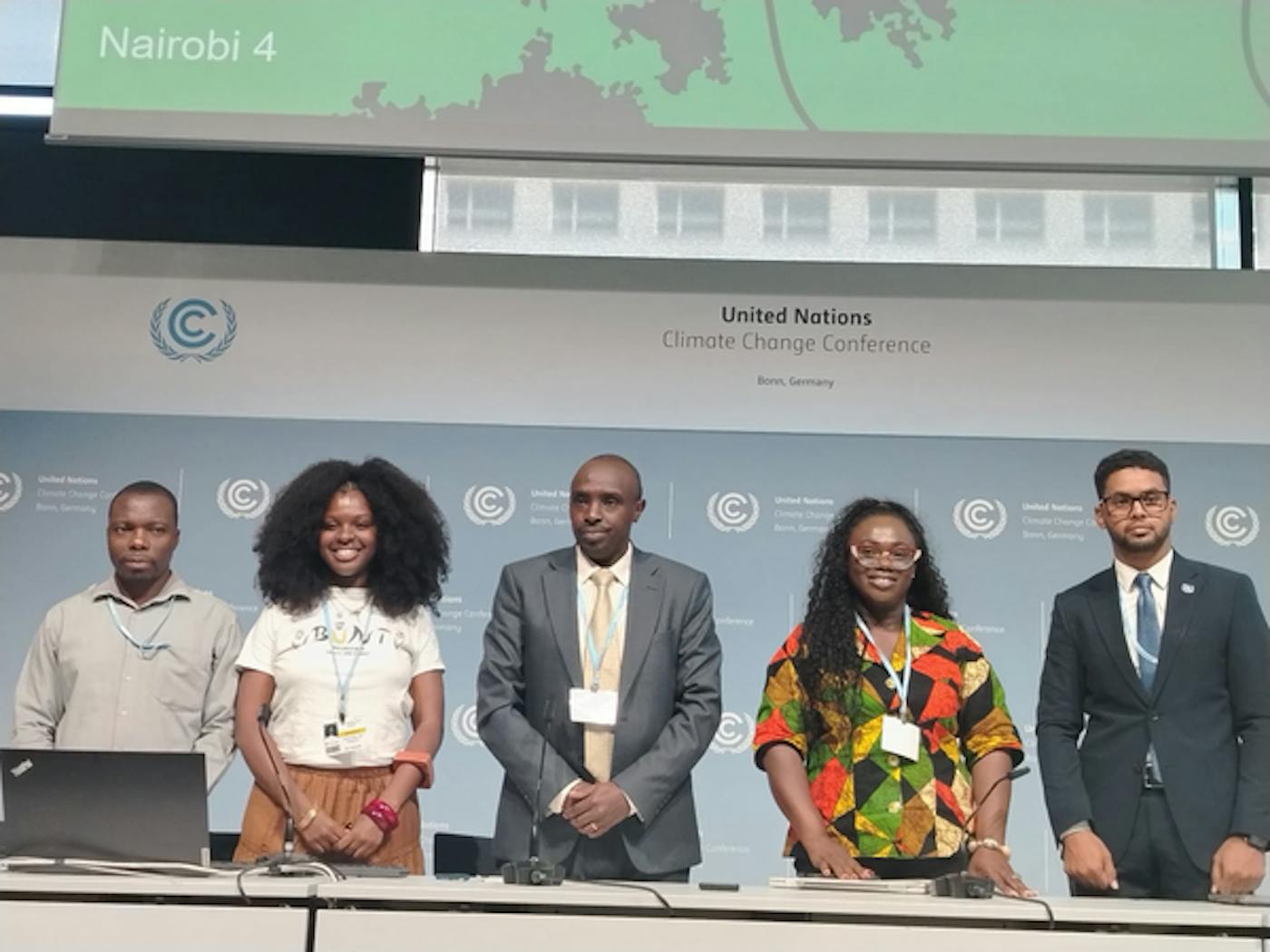
From drought-stricken fields to flood-ravaged communities, Africa is demanding action, not another season of climate negotiations.
BONN, Germany – As climate negotiators from around the world gather in Bonn, Germany, for the 64th Sessions of the Subsidiary Bodies (SB64) of the United Nations Framework Convention on Climate Change (UNFCCC), African civil society organisations have delivered a powerful message: the era of endless climate negotiations without meaningful implementation must come to an end. Against a backdrop of worsening droughts, devastating floods, rising temperatures and increasing food insecurity across the continent, African civil society groups say the stakes have never been higher. For millions of Africans, climate change is no longer a future threat discussed in conference rooms and policy papers. It is a daily reality that is destroying livelihoods, displacing communities and undermining decades of development gains.
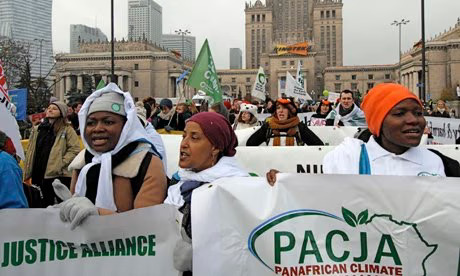 PACJA advocates for climate justice for Africa. This image does not suggest that the demonstration took place in Bonn. (Courtesy Pic)
The message was delivered through an official statement issued by the Pan-African Climate Justice Alliance (PACJA), Africa's largest coalition of civil society organisations working on climate justice, on behalf of African civil society representatives participating in the Bonn climate talks. The organisations, mobilised by PACJA, warned that Africa can no longer endure another cycle of negotiations characterised by "delay, dilution and deferral."
According to the statement, although Africa contributes less than four percent of cumulative global greenhouse gas emissions, it continues to bear some of the most severe impacts of climate change. Across the continent, prolonged droughts, destructive floods, cyclones, heatwaves and ecosystem degradation are becoming increasingly common, placing immense pressure on economies, food systems and vulnerable communities. "The climate crisis in Africa is fundamentally a justice issue," PACJA stated, arguing that the continent is paying the highest price for a crisis it did little to create.
The alliance acknowledged progress made during recent United Nations climate conferences, including the operationalisation of the Loss and Damage Fund at COP28 and the adoption of a New Collective Quantified Goal on Climate Finance at COP29. However, it noted that these milestones have yet to translate into meaningful support for vulnerable communities on the ground.
While political commitments have increased, implementation remains painfully slow and climate finance continues to fall far below documented needs. PACJA described SB64 as a critical moment for global climate governance and warned against allowing the Bonn meeting to become merely another procedural step on the road to COP31 in Türkiye.
Instead, the alliance said the talks must restore trust in the multilateral process and lay the foundation for decisions that respond directly to the realities facing climate-vulnerable populations, particularly in Africa.
African civil society groups also expressed concern over the apparent omission of Loss and Damage and National Adaptation Plans from key agenda items at the opening of the negotiations. The organisations aligned themselves with concerns raised by the African Group of Negotiators, arguing that climate discussions that exclude these issues effectively sideline the interests of communities already suffering the consequences of climate change.
The coalition outlined three priorities for the Bonn negotiations. The first is climate finance. PACJA argued that promises of climate action are meaningless without adequate financial support and called for climate finance to be public, grant-based, predictable and accessible.
It further urged developed countries to fulfil their obligations under the Paris Agreement and support adaptation, mitigation, loss and damage responses, as well as just transition efforts.
The second priority is ensuring that Africa's transition to a low-carbon future is genuinely just. PACJA rejected approaches that focus solely on emissions reductions while overlooking development challenges. The alliance noted that more than 600 million Africans still lack access to electricity and argued that climate action must support industrialisation, job creation, energy access and economic transformation.
The third priority is adaptation and resilience. For Africa, adaptation is not optional but essential for survival. PACJA called for stronger support for adaptation measures and for progress to be measured not only through technical indicators but through tangible improvements in food security, water availability, public health, ecosystem integrity and community wellbeing.
The alliance also criticised recurring resistance by developed nations to stronger climate finance commitments and warned against shifting responsibility towards private finance while avoiding discussions on public finance obligations and historical responsibility.
"Climate justice cannot become collateral damage in geopolitical rivalries," PACJA said.
As negotiations continue in Bonn, African civil society organisations say the success of SB64 will not be measured by the number of agenda items completed, but by whether the meeting delivers meaningful progress for the communities most affected by climate change. "The world has negotiated long enough," PACJA declared. "The time has come to implement commitments, honour obligations and place justice at the centre of climate action."