
Africa Faces US$20 Billion El Niño Loss as NDRMA Warns Preparedness Is the Best Defence
By Phumelele Mkhonta · July 27, 2026
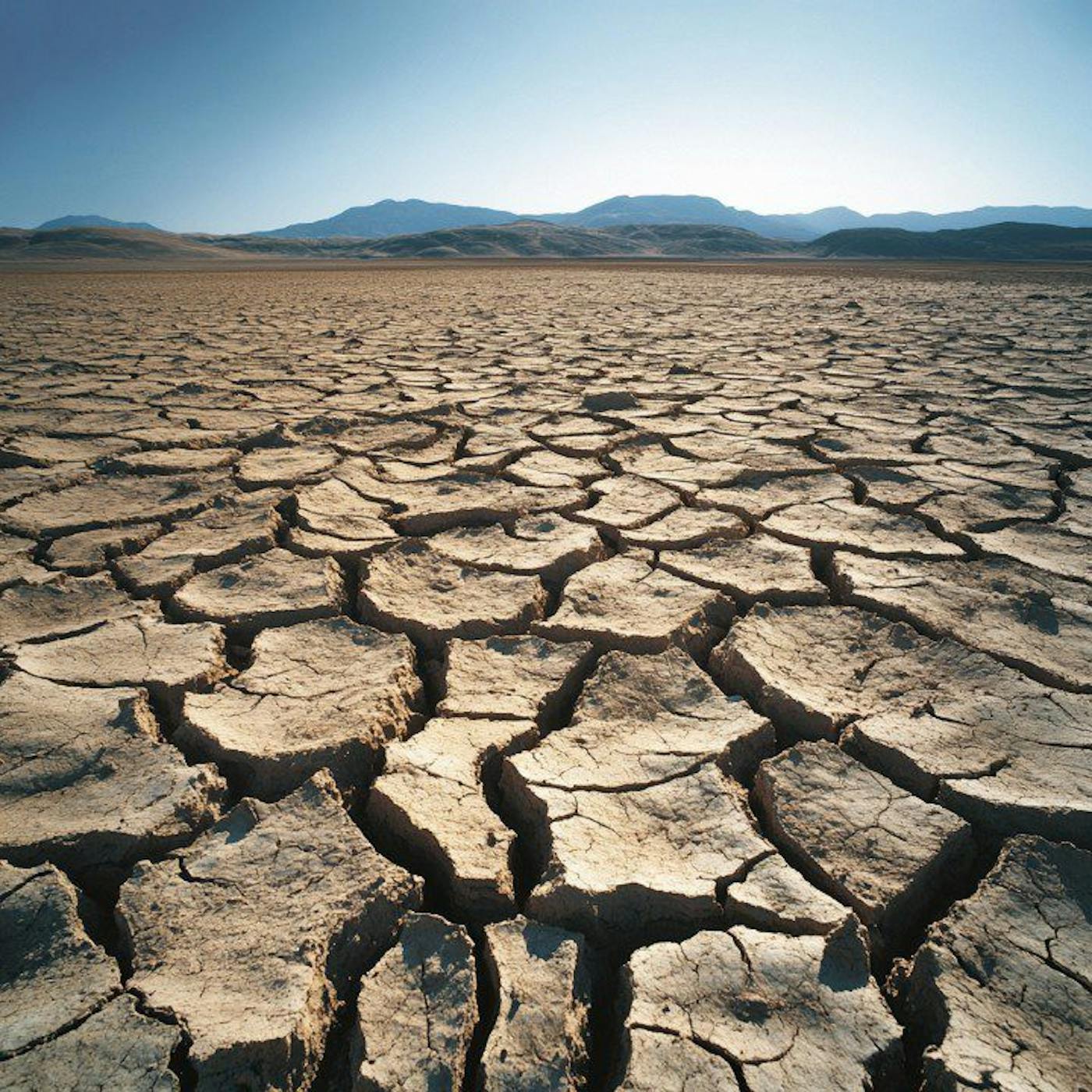
Africa stands to lose as much as US$20 billion if another severe El Niño strikes while countries remain inadequately prepared, according to the National Disaster Risk Management Agency (NDRMA). For Eswatini, where the last major El Niño left an economic scar of more than E3.8 billion, the warning is less about predicting the next disaster and more about preventing it.
As climate change amplifies the impacts of extreme weather, disaster preparedness is increasingly being recognised not as a humanitarian expense but as an economic investment. Every drought avoided, every flood anticipated and every community equipped with early warning information represents money saved, livelihoods protected and development preserved.
The National Disaster Risk Management Agency (NDRMA) is the government institution responsible for coordinating disaster risk reduction, preparedness, response and recovery in Eswatini. Working alongside government ministries, local authorities, development partners and communities, the agency seeks to minimise disaster risks before hazards become humanitarian crises.
In a statement released today, the agency cautioned that a very strong El Niño could cost African economies between US$10 billion and US$20 billion through widespread droughts, floods, agricultural losses and damaged infrastructure.
“A very strong El Niño could cost African economies US$10–20 billion through droughts, floods, agricultural losses and damaged infrastructure. Eswatini experienced economic losses exceeding E3.8 billion during the 2015–2016 El Niño. Investing in preparedness today helps protect lives, livelihoods and national development tomorrow,” the agency said.
The figures are significant, but they also tell a deeper story.
The 2015–2016 El Niño was one of the harshest climate events to affect Southern Africa in decades. In Eswatini, prolonged drought devastated agricultural production, reduced water availability, increased livestock mortality and left thousands of households dependent on humanitarian assistance. Public funds that could have been directed towards roads, schools, healthcare and economic development instead had to be redirected towards emergency response and recovery.
The estimated E3.8 billion loss represented more than an economic statistic. It reflected opportunities postponed, investments delayed and development gains reversed.
El Niño itself is a naturally occurring climate phenomenon caused by unusually warm sea surface temperatures in the central and eastern Pacific Ocean. Although it originates thousands of kilometres away, it disrupts global atmospheric circulation, often bringing below-average rainfall and prolonged drought across Southern Africa.
Scientists also warn that climate change is intensifying the impacts of El Niño, making droughts hotter, longer and more destructive. For Eswatini, where agriculture remains largely dependent on rainfall, another severe El Niño would affect far more than farmers. Lower crop production would increase food prices and place additional pressure on household incomes. Water shortages could disrupt industries and businesses, while government would likely face increased expenditure on relief programmes, infrastructure repairs and social protection initiatives.
Recognising these risks, the NDRMA challenged the country to reflect on what another E3.8 billion loss would mean. According to the agency, it would translate into fewer resources available for national development, greater pressure on farmers already battling climate uncertainty, and increased strain on families and businesses trying to recover from rising living costs and recurring weather shocks. The agency stressed that while El Niño cannot be prevented, its consequences can be significantly reduced through proactive investment in preparedness. “We cannot stop El Niño, but we can reduce its impact through preparedness. The question is not whether we can afford to prepare. It is whether we can afford not to,” the agency said. Preparedness extends beyond emergency response. It includes investing in robust early warning systems, strengthening weather forecasting, protecting strategic water resources, promoting climate-smart agriculture, improving disaster planning and constructing infrastructure capable of withstanding increasingly frequent climate extremes.
The agency’s message also reinforces Eswatini’s broader efforts to build climate resilience through initiatives such as the National Adaptation Plan, which seeks to integrate climate risk into development planning so that future investments are better protected against climate shocks.
Across Africa, governments are increasingly recognising that climate disasters carry long-term economic consequences extending well beyond the immediate humanitarian response. Every bridge washed away, every failed harvest and every disrupted business carries a financial cost that compounds over time.
For Eswatini, the lesson from the last El Niño remains clear. The true price of climate disasters is not measured only by damaged crops or dried-up rivers, but by lost development opportunities, constrained public finances and weakened economic growth.
The NDRMA’s latest warning therefore serves as more than a weather advisory. It is a reminder that in an era of accelerating climate change, preparedness is one of the country’s most valuable investments.
Because while Africa may stand to lose US$20 billion, and Eswatini has already lost E3.8 billion before, the greatest loss would be failing to prepare for what science has already warned is possible.