
Eswatini’s Cultural Events Can Become Powerful Models for Sustainability
By Lihle Shongwe · August 26, 2026
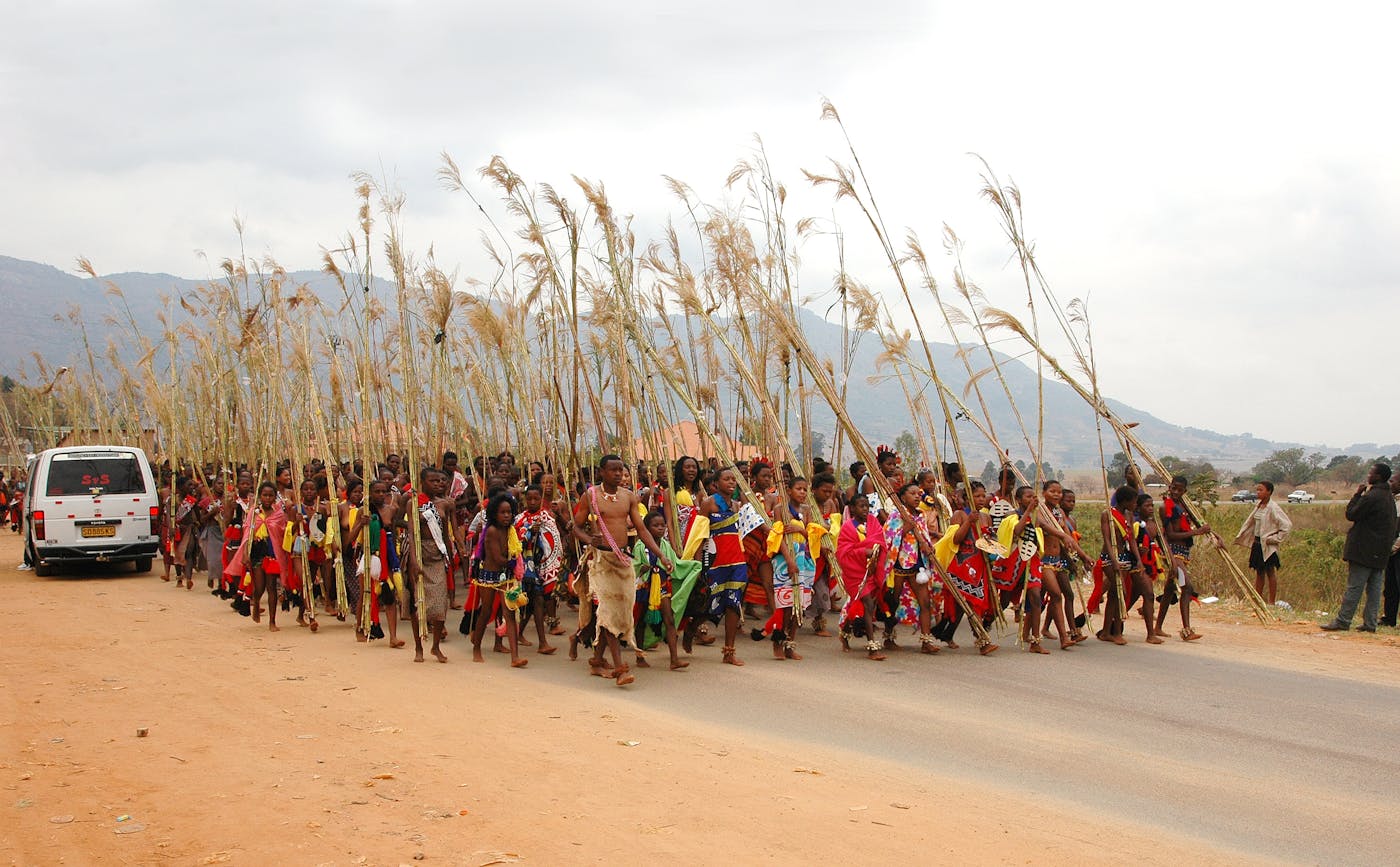
Eswatini’s culture could hold an overlooked key to advancing environmental sustainability- particularly when traditional knowledge is supported by modern environmental planning.
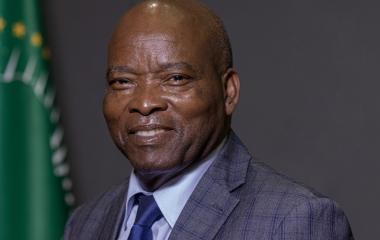 African Union Director for Agriculture, Rural Development, Blue Economy and Sustainable Environment (ARBE) His Excellency Moses Vilakati.
In an earlier interview with CENN, African Union Director for Agriculture, Rural Development, Blue Economy and Sustainable Environment Moses Vilakati described Eswatini as “the sustainability pulpit of Africa.”
Vilakati argued that cultural activities such as Umhlanga and Incwala represent ancient practices that have helped maintain balance within natural ecosystems. “Reeds usually grow in wetlands, and this is where maidens harvest the plant in Eswatini annually,” he explained.
According to Vilakati, the annual harvesting of reeds during Umhlanga may contribute to managing reed growth within wetlands. “The annual harvesting during the Umhlanga Ceremony reduces the pressure on the wetlands- refreshing them,” he said.
His reflections offer an important entry point into a broader discussion: could Eswatini’s major cultural gatherings become visible models of environmental responsibility?
Beyond Traditional Harvesting Umhlanga brings together thousands of maidens, families, spectators, vendors and visitors. While the ceremony is rooted in the relationship between culture, people and the natural landscape, a gathering of this size inevitably carries an environmental footprint.
Plastic water bottles, food packaging and other waste can accumulate around gathering points and travel routes. Without sufficient collection and disposal systems, litter may enter surrounding land and water systems, placing wildlife and the wider landscape at risk.
Similar pressures may arise during Incwala, Buganu and other large cultural events through increased traffic, water consumption, trading activity and sanitation demands.
Sustainability should therefore extend beyond harvesting reeds or lusekwane. It should also consider how people travel, how vendors package goods, how water is used and how waste is managed before, during and after each event.
Making Umhlanga Greener During Umhlanga, clearly marked waste-sorting stations could be placed at Ludzidzini Royal Residence, along procession routes and at other major gathering points. Separate receptacles for plastic bottles, cans, food waste and general refuse would support recycling and responsible disposal. Organisers could collaborate with the Eswatini Environment Authority, local authorities, recycling companies and licensed waste operators to ensure that collected materials are properly processed.
Vendors could also be encouraged to reduce single-use plastics and use reusable, recyclable or biodegradable packaging. Refill-water stations could reduce dependence on disposable bottles, while public announcements could encourage participants and visitors to keep ceremonial grounds clean.
Eswatini’s Waste Management Information System could further help authorities measure the amount and types of waste generated. This information could guide future decisions on bin placement, collection frequency and waste-management capacity.
Protecting Water and Reedbeds Water management is equally important. Thousands of participants require water for drinking, cooking, cleaning and sanitation. Temporary water tanks, efficient sanitation facilities and water-saving awareness messages could help prevent unnecessary pressure on local supplies.
The reedbeds themselves also require long-term protection. Although harvesting can support ecological management when responsibly practised, heavy foot traffic, soil compaction, pollution and repeated harvesting in the same locations could affect sensitive areas.
Designated walking routes, rotating harvesting zones and environmental assessments before and after the ceremony could help reduce disturbance. Traditional leaders, communities and environmental specialists could jointly monitor the health and regeneration of the reedbeds.
Incwala and the Environmental Value of Lusekwane Vilakati also highlighted the collection of lusekwane during Incwala as another example of traditional practice intersecting with ecosystem management. “The lusekwane tree grows in a manner that it covers grass and other vegetation,” he explained.
According to Vilakati, dense growth can limit the resources available to surrounding plants.
“The picking of the lusekwane promotes the healthy growth of other plants where there is the acacia plant,” he said. This traditional practice could be strengthened through ecological monitoring to ensure that harvesting areas are not overused and that sufficient vegetation remains to regenerate.
Other cultural gatherings, including Buganu festivals, could introduce reusable drinking containers, effective food-waste management and environmentally responsible packaging. Supporting local producers could also reduce lengthy supply chains while creating economic opportunities for surrounding communities.
Culture as Part of the Solution Environmental measures should not be introduced in ways that weaken cultural authority or meaning. Traditional leaders, organisers, communities, young people and environmental institutions should develop them together.
Eswatini does not have to choose between preserving culture and protecting the environment. Its traditions already reflect a close relationship between people, seasons, plants and landscapes.
The opportunity is to build upon that relationship through improved waste separation, reduced single-use plastics, responsible water use, careful management of harvesting areas and restoration of affected sites. As Vilakati’s observations suggest, culture should not be viewed merely as something environmental policies must accommodate. It can be part of the solution.
Protecting the reeds, lusekwane, water and landscapes associated with Eswatini’s ceremonies is ultimately another way of protecting the ceremonies themselves. If these natural resources are cared for today, future generations will inherit not only the rituals, songs and dances, but also the living landscapes that give them meaning.