
Opinion | Can Cultural Tourism Fund a Greener Eswatini?
By Nonkululeko Dlamini · September 2, 2026
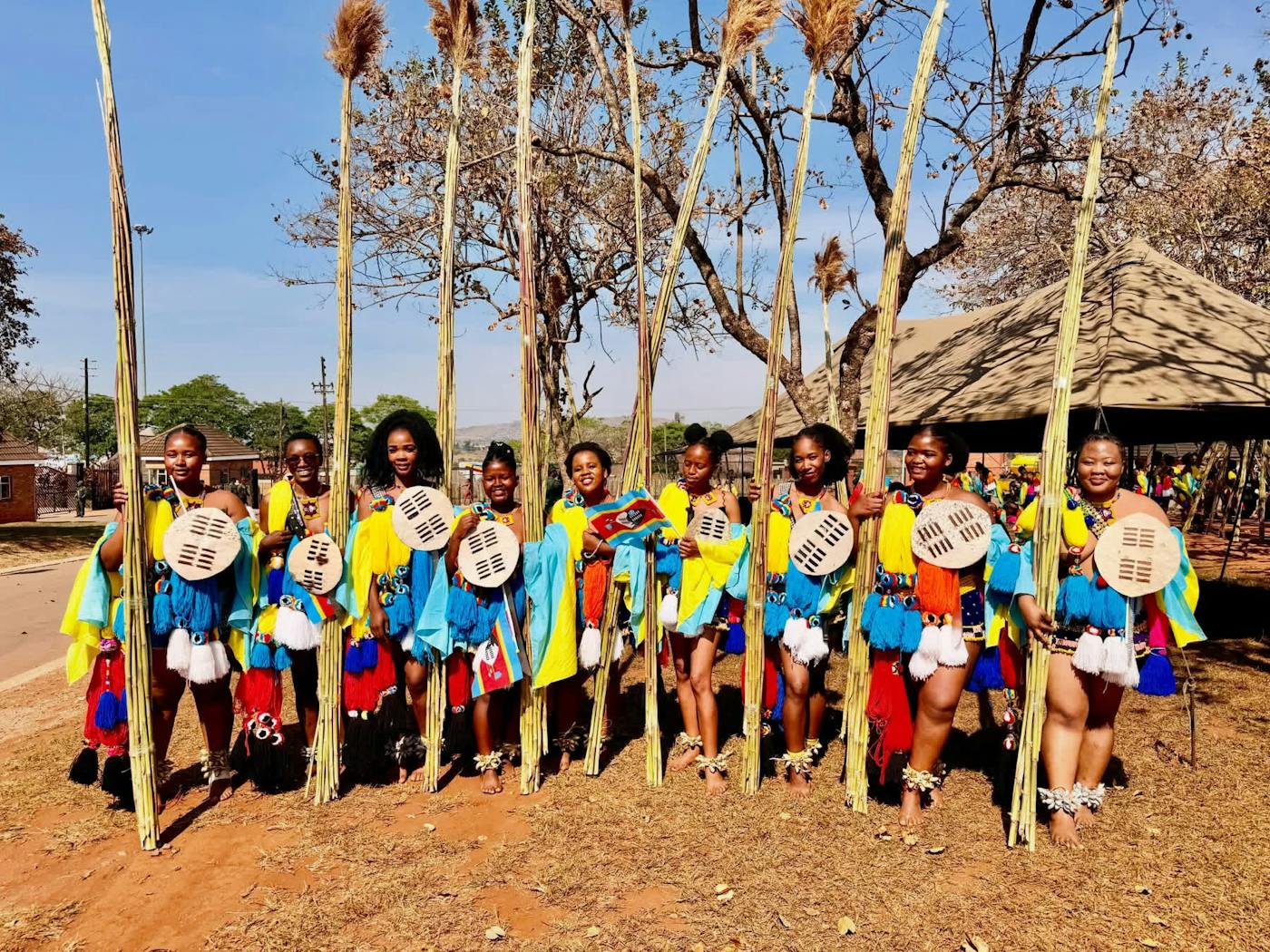
Eswatini’s cultural celebrations can generate more than tourism revenue- they can help finance conservation, green enterprises and stronger communities.
Eswatini’s cultural tourism is proving that heritage can generate serious economic value. The harder question is whether part of that value can be deliberately invested in protecting the environment on which tourism itself depends.
Events such as the Umhlanga Reed Dance attract visitors who spend money on accommodation, transport, food, crafts, traditional attire and entertainment. According to the Eswatini Tourism Authority, the country received approximately 1.03 million international tourists and generated about E1.1 billion from tourist arrivals during the past year.
Those figures demonstrate tourism’s economic potential. However, revenue circulating through hotels, restaurants and transport services does not automatically translate into conservation funding. Unless a deliberate system connects tourism income to environmental action, the country may celebrate rising visitor numbers while municipalities, communities and conservation institutions carry the resulting environmental costs.
Large cultural gatherings can increase demand for water and electricity, produce considerable waste and add to road congestion and transport emissions. The problem is not the celebration itself. The problem arises when growth in attendance is not matched by investment in waste collection, recycling, sanitation, public transport and environmental restoration.
This creates the central contradiction: cultural tourism can strengthen the economy while simultaneously placing pressure on the natural and public resources supporting it.
According to the Ministry of Tourism and Environmental Affairs, its mandate is to promote tourism and wildlife conservation within an environmental framework that conserves culture, sustains forests and responds to climate change. Tourism and environmental protection should therefore not operate as separate national ambitions. They are already part of the same responsibility.
Government has also committed itself to transforming Eswatini into a green economy. Cabinet’s 2025 retreat described this transition as a national priority, while the 2026 Eswatini International Trade Fair theme- “Unlocking Green Economy Opportunities for Sustainable Trade Promotion”- places green growth firmly within the country’s development conversation.
The question is how to turn those commitments into a practical tourism-financing model. One option would be a modest and clearly disclosed cultural-tourism sustainability contribution attached to selected commercial activities surrounding major events. It could be collected through participating accommodation establishments, tourism packages, organised tours or licensed commercial spaces rather than through access to the cultural ceremony itself.
That distinction is important. Umhlanga is first a living national and cultural institution- not merely a product to be packaged and sold. Funding environmental programmes should not commercialise participation, restrict cultural access or allow outside businesses to benefit disproportionately from a tradition sustained by emaSwati.
Any contribution should also be transparent. Visitors and businesses must know how much is collected, who manages it and where it goes. An independently audited fund could support recycling infrastructure, water-efficient sanitation, indigenous tree restoration, community conservation initiatives and environmental enterprises operated by women and young people.
Without transparency, an environmental levy risks becoming another charge whose impact is difficult to see. With clear reporting, however, visitors could be shown that part of their spending helped restore a wetland, improve waste management or support a community-based conservation project. There is also a strong case for measuring the environmental footprint of cultural events. How much waste does Umhlanga generate? What proportion is recyclable? How much additional water and energy is consumed? How many local enterprises benefit, and how much visitor spending remains within Eswatini?
At present, national arrival and accommodation statistics help illustrate the wider performance of tourism. However, event-specific environmental and economic data would enable authorities to move beyond assumptions. It would show whether green interventions are actually reducing waste, conserving resources and increasing local benefit.
According to UNESCO, sustainable cultural tourism should protect heritage while creating economic and social benefits for host communities. This means success cannot be judged only by the number of visitors or hotel rooms occupied. It must also be judged by whether communities retain value, culture remains respected and environmental assets are protected.
The private sector has an equally important role. Hotels could introduce water-saving measures and renewable energy. Food vendors could reduce disposable packaging. Event organisers could require waste separation at source. Transport operators could develop shared shuttle services, while procurement systems could give priority to locally produced food, crafts and reusable products.
These measures would create a market for green enterprises rather than treating environmental management solely as a public expense. There will, understandably, be objections. Tourism businesses already face operating costs, while visitors may resist additional charges. Poorly designed environmental requirements could also burden small vendors while larger businesses absorb the costs more easily.
That is why the solution should not begin with a blanket tax. Eswatini could start with a voluntary pilot involving selected accommodation establishments and tourism operators during one major cultural season. The results- including money collected, projects funded, waste diverted and businesses supported- could then be published and evaluated before the programme is expanded.
Cultural tourism can fund a greener Eswatini, but it will not happen through tourism growth alone. It requires a transparent mechanism that converts a small portion of the value generated by tourism into visible environmental and community benefits. Umhlanga already shows the world the strength of Eswatini’s culture. It could also demonstrate something equally powerful: that cultural pride, economic opportunity and environmental responsibility do not have to compete.
If carefully managed, the celebration could become more than a major tourism attraction. It could offer a distinctly Swati model of sustainable tourism- one in which culture generates prosperity, prosperity supports conservation and conservation protects the country that visitors come to experience.
(Courtesy Pic of Eswatini Tourism Authority)