
Beyond Conservation: Why the ENTC–IDM Partnership Matters for Eswatini’s Future
By Phumelele Mkhonta · July 28, 2026
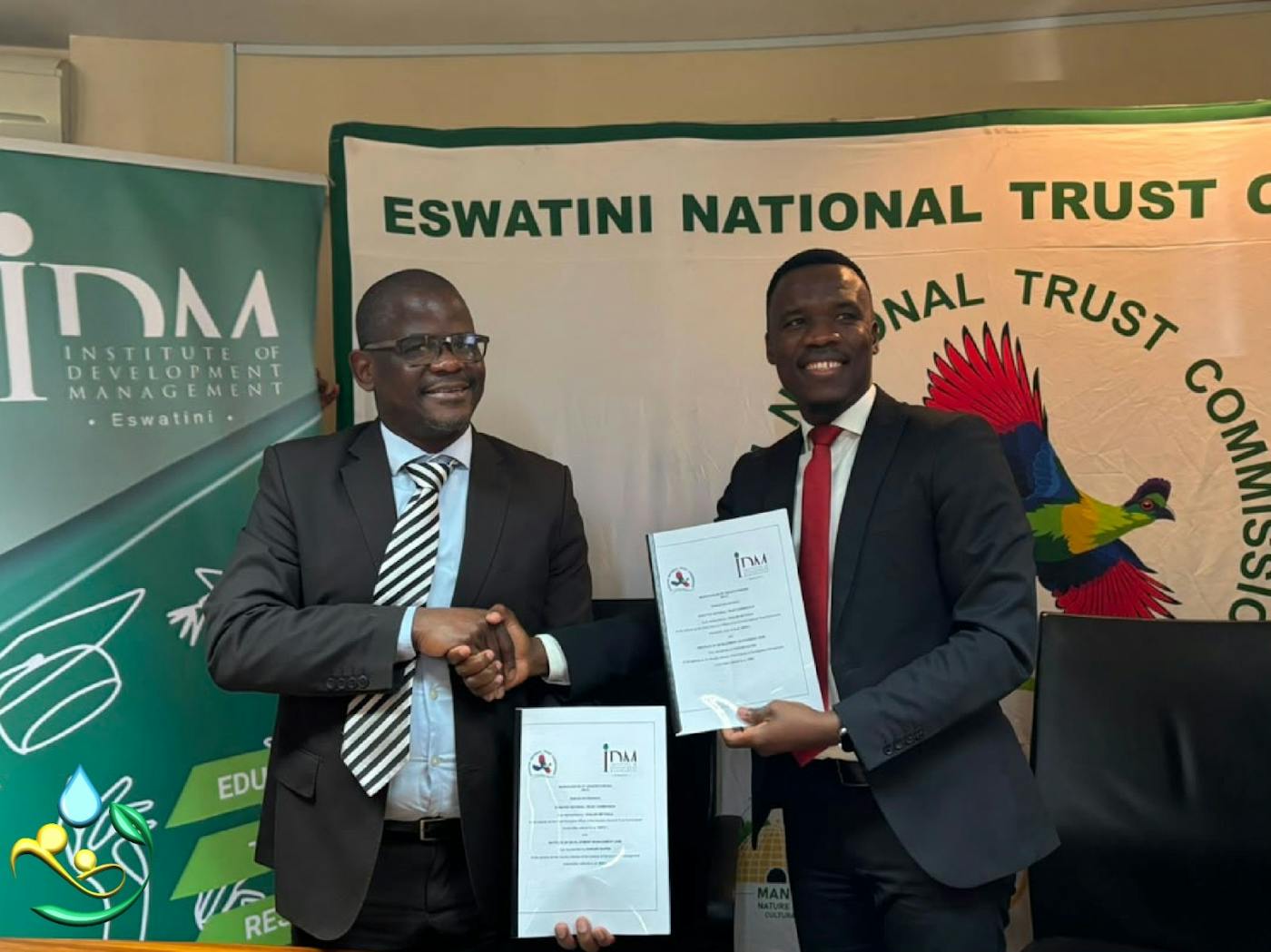
A new partnership between ENTC and IDM demonstrates that the future of conservation depends as much on education and innovation as it does on protecting wildlife and heritage.
LOBAMBA – Conservation is often viewed through the narrow lens of protecting wildlife and preserving landscapes. Yet in reality, it is equally about investing in people, institutions and knowledge. That broader vision took centre stage on Monday morning as the Eswatini National Trust Commission (ENTC) and the Institute of Development Management (IDM) signed a Memorandum of Understanding (MoU) at the ENTC Headquarters in Lobamba.
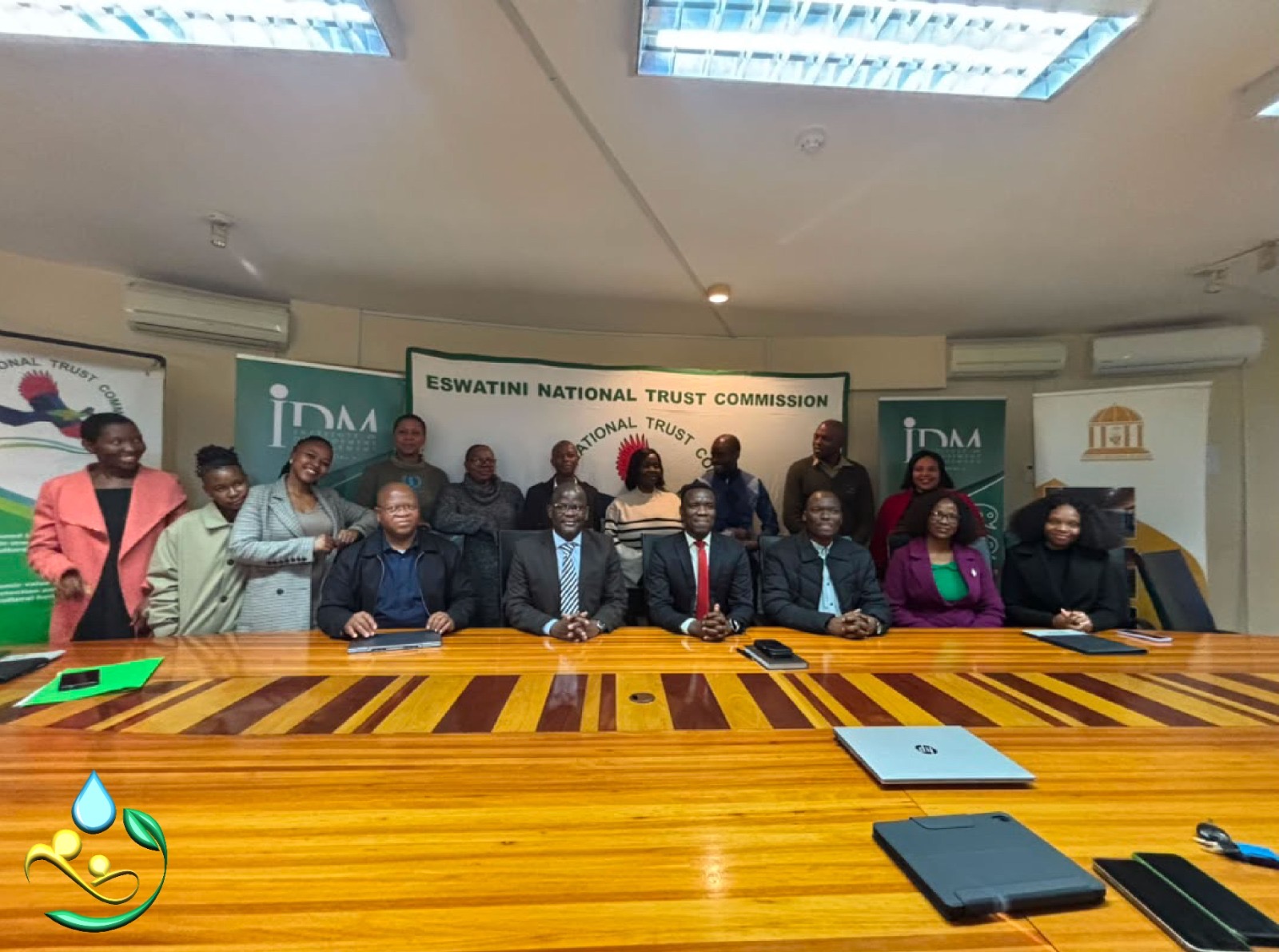
Representing ENTC, Acting Chief Executive Officer Mduduzi Ndzinisa described the agreement as “far more than a ceremonial formality,” calling it a shared commitment to elevate tourism, safeguard Eswatini’s natural and cultural heritage, and strengthen the country’s capacity for sustainable development.
His remarks underscored a critical reality: conservation cannot succeed in isolation. It requires skilled professionals, strong institutions, research, innovation and public participation.
The partnership seeks to deliver exactly that through seven strategic pillars. These include institutional capacity development, resource sharing, curriculum development, collaborative research, youth empowerment, environmental education and public literacy, as well as eco-tourism and MICE (Meetings, Incentives, Conferences and Exhibitions) development.
Ndzinisa noted that by combining ENTC’s practical expertise in conservation governance, environmental management and eco-tourism with IDM’s academic excellence and executive education programmes, the two institutions are laying the foundation for long-term national impact.
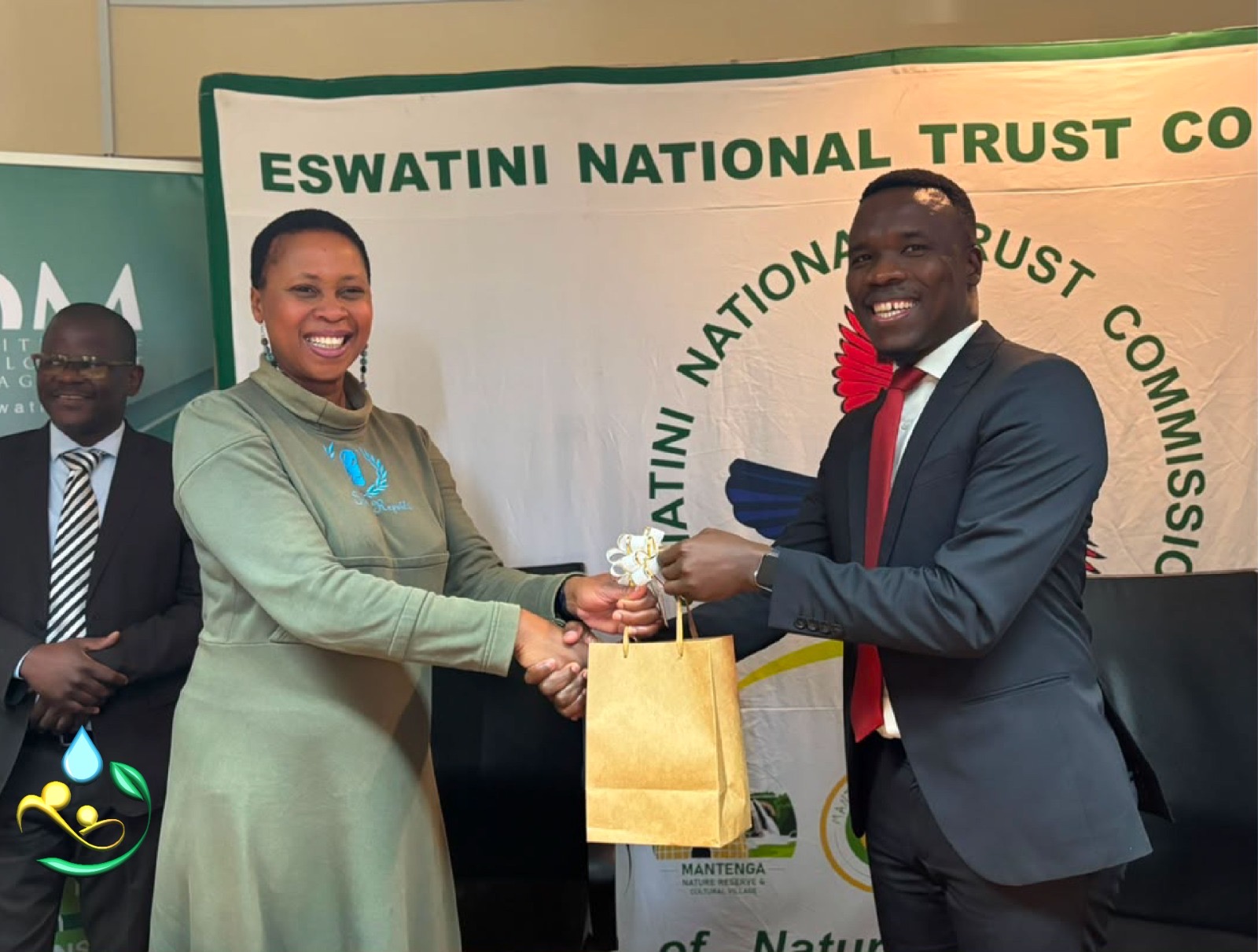
Among the partnership’s most significant ambitions is the development of specialised conservation and sustainable tourism curricula that respond directly to industry needs. Conservation practitioners will contribute to lectures, while IDM faculty will share academic expertise within ENTC’s conservation programmes, creating a two-way exchange of knowledge.
The agreement also places strong emphasis on research and innovation, recognising that climate change, biodiversity loss and environmental degradation require evidence-based solutions. Joint research projects, sustainability dialogue forums and studies on eco-tourism, heritage preservation and climate resilience are expected to strengthen policy and practice alike.
Youth development is another cornerstone of the collaboration. Through internships, volunteer programmes, field placements and community outreach initiatives, young people will gain practical conservation experience while contributing to environmental campaigns across the country.
Public environmental literacy also features prominently. The partnership aims to expand national awareness campaigns, school outreach programmes and public lectures, helping embed sustainability into everyday life and decision-making. Speaking during the signing ceremony, IDM Eswatini Country Director Karabo Baipidi welcomed the partnership and expressed gratitude to ENTC for the opportunity to collaborate. He described the MoU as a strategic agreement, particularly in advancing Conservation Management and protecting Eswatini’s national heritage. Baipidi said the collaboration reflects a shared vision of equipping future leaders with the knowledge and practical skills needed to safeguard the country’s environmental and cultural assets.
Beyond conservation itself, the agreement signals a growing recognition that sustainable development depends on collaboration between academic institutions and implementing agencies. Universities generate knowledge, while institutions such as ENTC apply that knowledge on the ground.
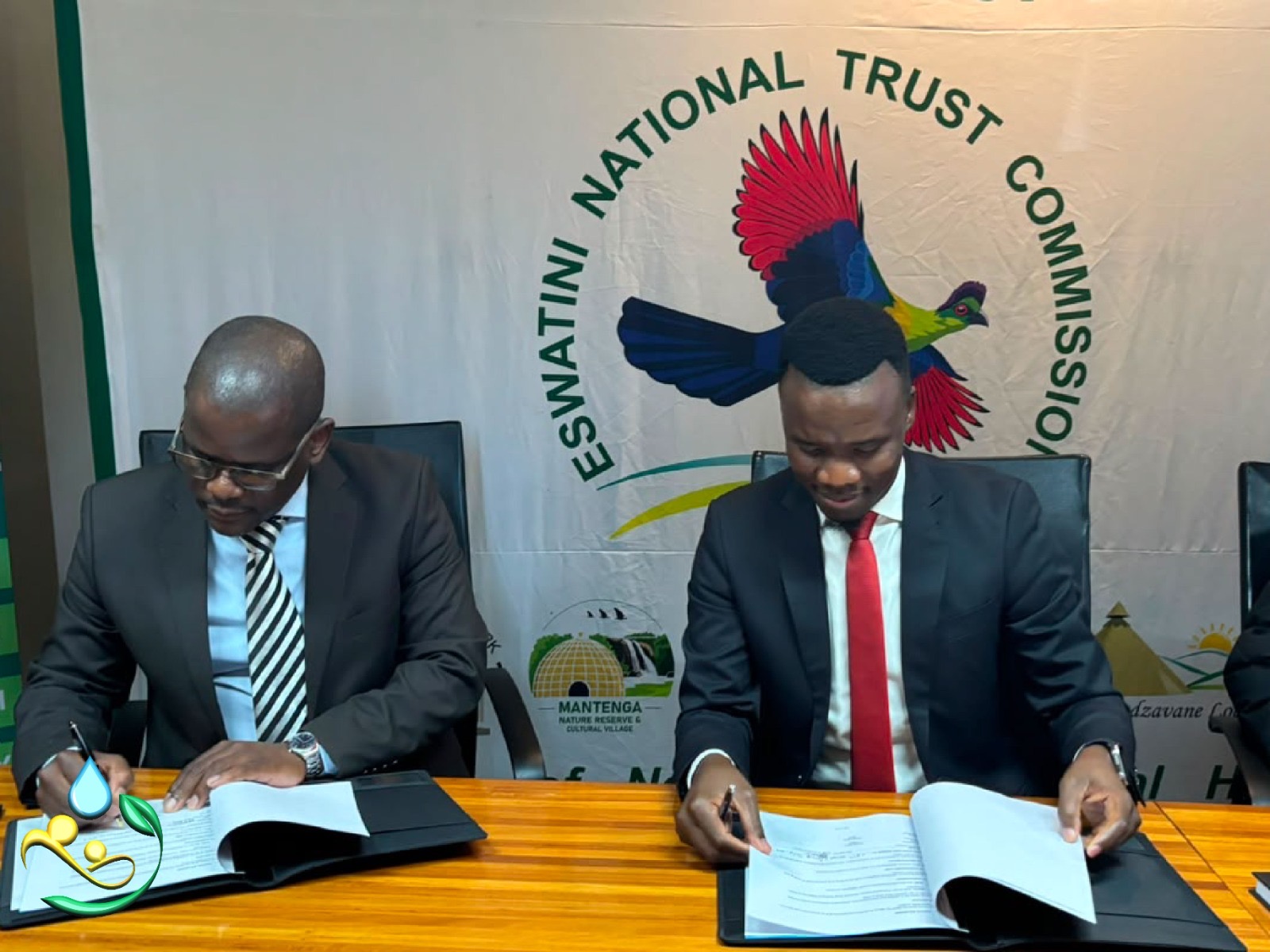
Together, they can produce better policies, stronger institutions and a more environmentally conscious society. As Eswatini continues to balance economic development with environmental stewardship, the ENTC–IDM partnership represents more than an institutional agreement. It is an investment in the people, ideas and leadership that will determine how the Kingdom protects its natural heritage while creating opportunities for future generations.