
Fast fashion, A growing Environmental Threat!
By Phumelele Mkhonta · August 19, 2026
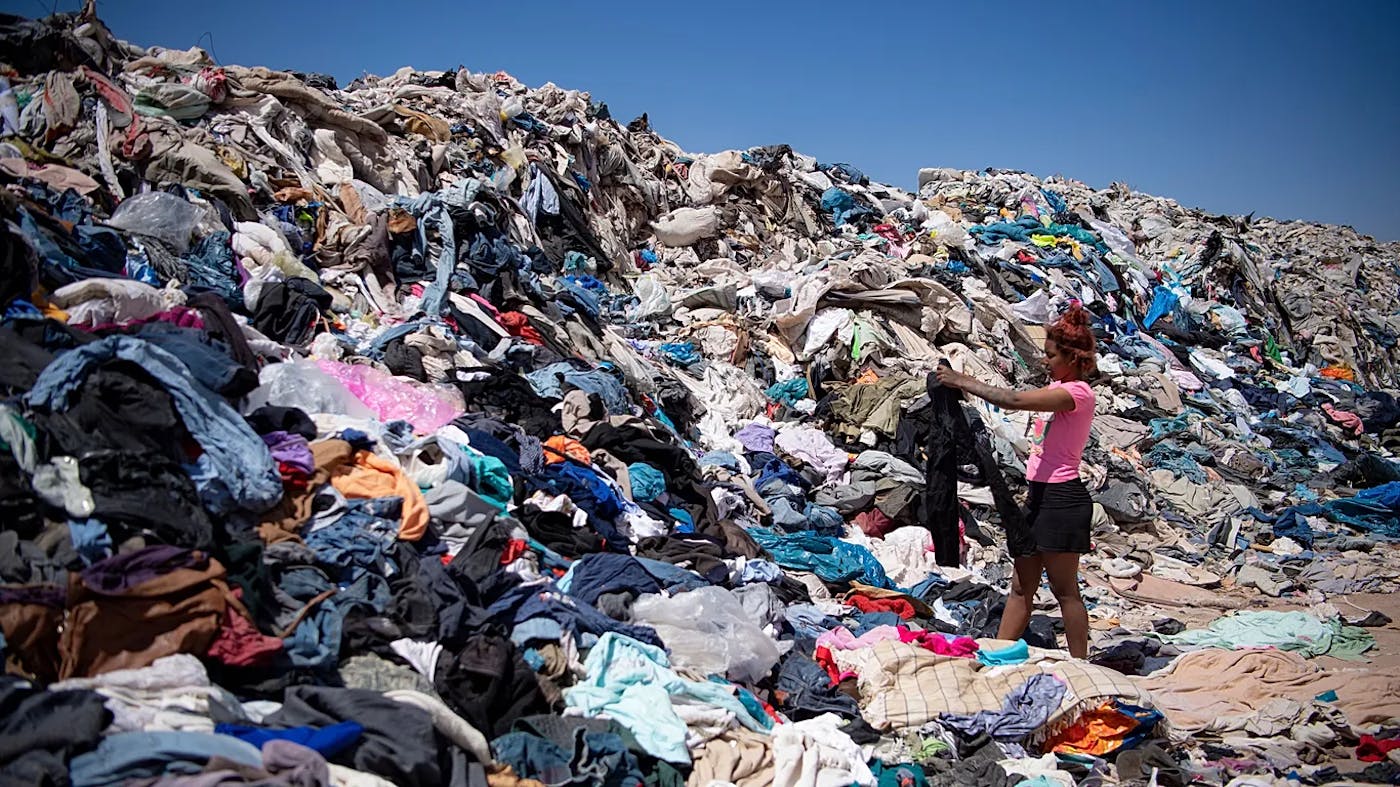
Fast fashion’s low prices conceal a costly environmental footprint- fuelled by carbon emissions, water pollution, textile waste and microplastics.
The United Nations Agencies and climate justice civil society organisations made a stand that fast fashion is alarmingly becoming a threat to the environment.
The UN-Habitat and the United Nations Environment Programme (UNEP) have launched separate campaigns; stressing the pollution fast fashion was causing. According to Earth.org, the term fast fashion has become more prominent in conversations surrounding fashion, sustainability, and environmental consciousness.
The term refers to cheaply produced and priced garments that copy the latest catwalk styles and get pumped quickly through stores in order to maximise current trends.
The fast fashion model is so-called because it involves the rapid design, production, distribution, and marketing of clothing. This means that retailers are able to pull large quantities of greater product variety and allow consumers to get more fashion and product differentiation at a low price.
According to an analysis by Business Insider, fashion production comprises 10 per cent of total global carbon emissions, as much as the emissions generated by the European Union. The industry dries up water sources and pollutes rivers and streams, while 85 per cent of all textiles go to dumps each year. Even washing clothes releases 500,000 tons of microfibres into the ocean each year, the equivalent of 50 billion plastic bottles.
In a communiqué sent out by the UN-Habitat, 100 billion low-cost fashion items are produced every year and many of them are unsafe because of the chemicals they contain and/or are environmentally damaging. In the statement titled ‘Environmental Impact of Fast Fashion’, the UN-Habitat stipulates that ultra-fast fashion has a devastating environmental footprint. “The industry is responsible for 10 per cent of global carbon emissions, more than international aviation and maritime shipping combined. It is also the second-largest consumer of water globally, with a single cotton shirt requiring about 700 gallons of water to produce,” read the statement.
Discussing water pollution, the communiqué explained that the fashion industry produces 20 per cent of global wastewater. “Textile dyeing is a major water polluter, with toxic chemicals being released into water systems. By 2030, water use in the industry is expected to increase by 50 per cent. “There is also high waste generation. Fast fashion's rapid production cycles and low-quality materials contribute to massive textile waste. Millions of tonnes of clothing are discarded annually, often ending up in landfills. Synthetic materials like polyester, widely used in fast fashion, release microfibres when washed. These tiny plastic particles pollute oceans and waterways, contaminating the food chain. The statement also emphasised that the textiles industry generated approximately 1.2 billion tons of carbon dioxide per year, stating that polyester production, a synthetic fabric heavily used in fast fashion, is particularly energy-intensive and contributes significantly to this carbon footprint. “Fast fashion's reliance on synthetic materials like polyester contributes to oil depletion. It's estimated that polyester production requires 342 million barrels of oil annually." To this effect, UN-Habitat declared that it would be hosting a World Cleanup Day 2025, themed "Fashion and Textile Waste".