
Lessons from Manila’s Monsoon Rains: What Eswatini Must Learn About the Plastic Threat
By Lihle Shongwe · August 13, 2026
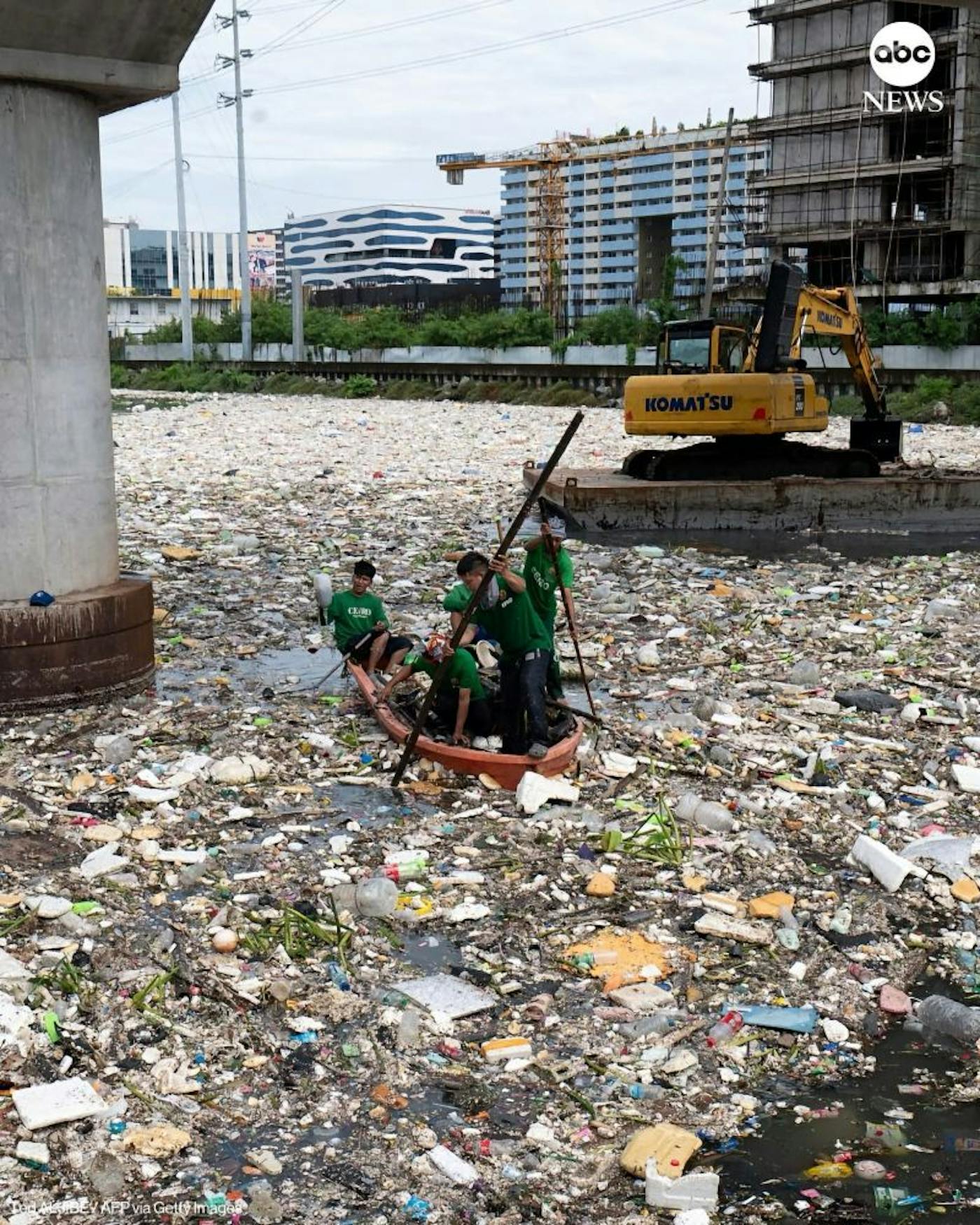
Manila’s plastic-choked waterways offer a stark warning for Eswatini on the growing environmental threat of poorly managed plastic waste.
Images emerging from Manila in the Philippines this week offer a striking warning about what happens when extreme rainfall collides with a persistent plastic and solid-waste problem.ABC News reported that workers were battling a “sea of garbage” following intense monsoon rains, with waterways choked by plastics and other debris.
The prolonged downpour triggered floods, landslides and accidents that reportedly killed at least 16 people. Other reports said debris accumulated in rivers and canals was obstructing the normal movement of water, potentially worsening flooding.
Eswatini is, however, not a coastal country, and its plastic pollution challenge differs significantly from that of the Philippines. But being landlocked does not make the Kingdom immune to the consequences of poorly managed plastic waste.Discarded plastic bags, bottles and packaging can accumulate in storm-water drains, streams and rivers. During intense rainfall, this waste can restrict drainage and water flow, adding pressure to already overwhelmed infrastructure.
Plastics washed downstream can also contaminate freshwater ecosystems, agricultural landscapes and soils.The scenes from Manila therefore carry a simple lesson for Eswatini: plastic pollution is not only a litter problem- it can become a water-management, ecosystem and climate-resilience problem.
The Eswatini Environment Authority (EEA) has already established measures aimed at controlling the plastic threat.Under the Control of Plastic Bags Regulations, 2021, the manufacture, importation, production and use of plastic bags in Eswatini is regulated.
According to EEA, from 1 August 2023, plastic bags may not be manufactured, imported, produced or used in the country except in accordance with conditions of a licence issued by the Authority. The country’s response has also included efforts to change consumer behaviour. The earlier Phatsa Sakho Nawe initiative encouraged shoppers to carry reusable bags and reduce dependence on single-use plastics.
The initiative formed part of a broader push towards reducing plastic-bag pollution in Eswatini. But regulation alone cannot stop plastics from reaching the environment.Plastic is particularly problematic because it is persistent. Instead of simply disappearing after being discarded, plastic can remain in the environment for long periods and gradually fragment into increasingly smaller pieces. When littered indiscriminately, it can move through drainage systems and waterways, pollute landscapes and threaten ecosystems.
This is where the images from Manila become relevant to Eswatini.As climate variability and extreme rainfall place greater pressure on infrastructure and natural systems, keeping drains, rivers and waterways free from plastic and other solid waste becomes part of building resilience.
(Images: ABC News)