
LiSwati Youth Develops Imvelo App to Drive Climate-Smart Farming
By Phumelele Mkhonta · July 9, 2026
While a large number of emaSwati are grappling with unemployment, Ncamiso is paving his own path while driving change.
As Eswatini continues to grapple with youth unemployment, young innovators are increasingly turning to entrepreneurship and technology to create solutions that address pressing national challenges.
 Foounder & CEO of Imvelo App Ncamiso Xaba.
According to the World Bank, Eswatini's unemployment rate remains among the highest globally, with young people disproportionately affected. Against this backdrop, local innovation is emerging as a critical driver of economic opportunity and sustainable development.
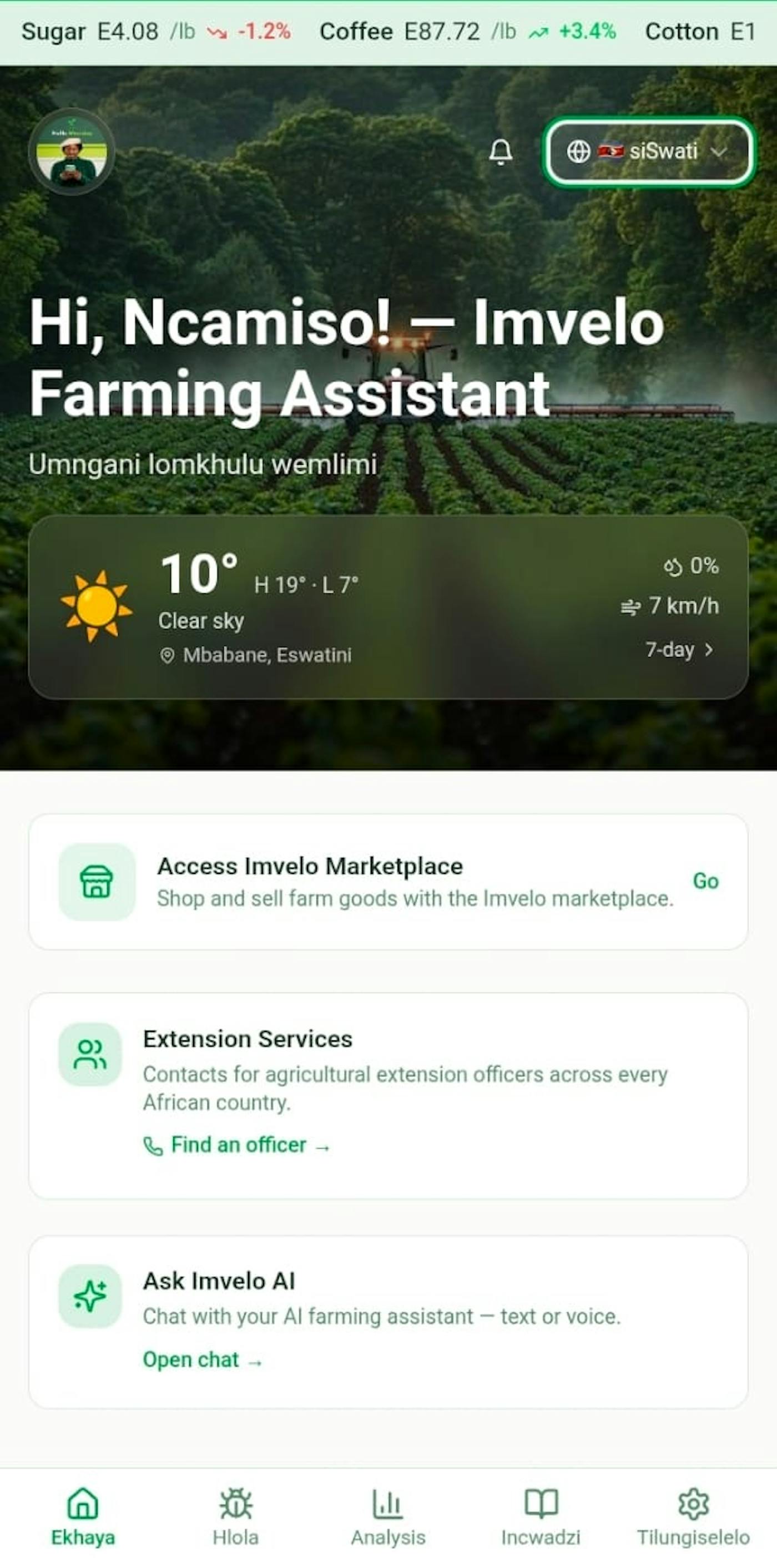
One such innovator is Ncamiso Xaba, a 23-year-old University of Eswatini Journalism and Mass Media student and Master's candidate at WorldQuant University, who has developed the Imvelo App Suite—an artificial intelligence-powered digital ecosystem designed to empower smallholder farmers while strengthening climate resilience.
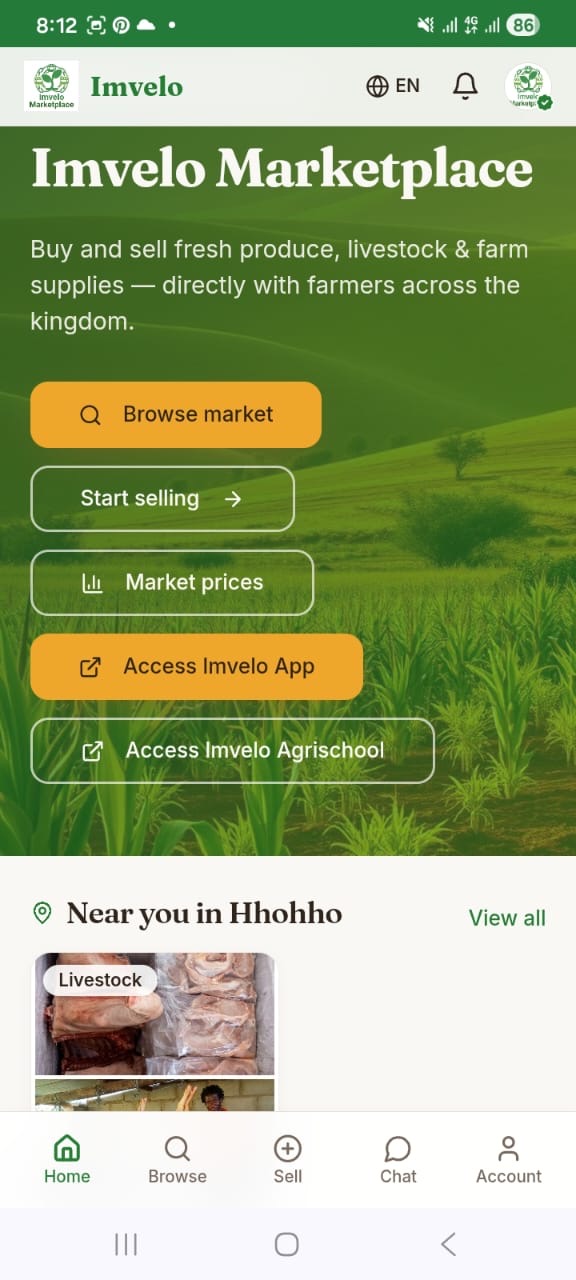
Xaba said his work combines technology, agriculture and financial engineering to develop practical digital solutions that address real community needs.
"My work sits at the intersection of agricultural technology, media innovation and financial engineering," he said, adding that he was committed to using technology to drive sustainable development in Eswatini.
He said the Imvelo App Suite was born out of the need to address the persistent challenges facing rural farmers, including limited access to agricultural information, poor market connectivity and growing climate vulnerability.
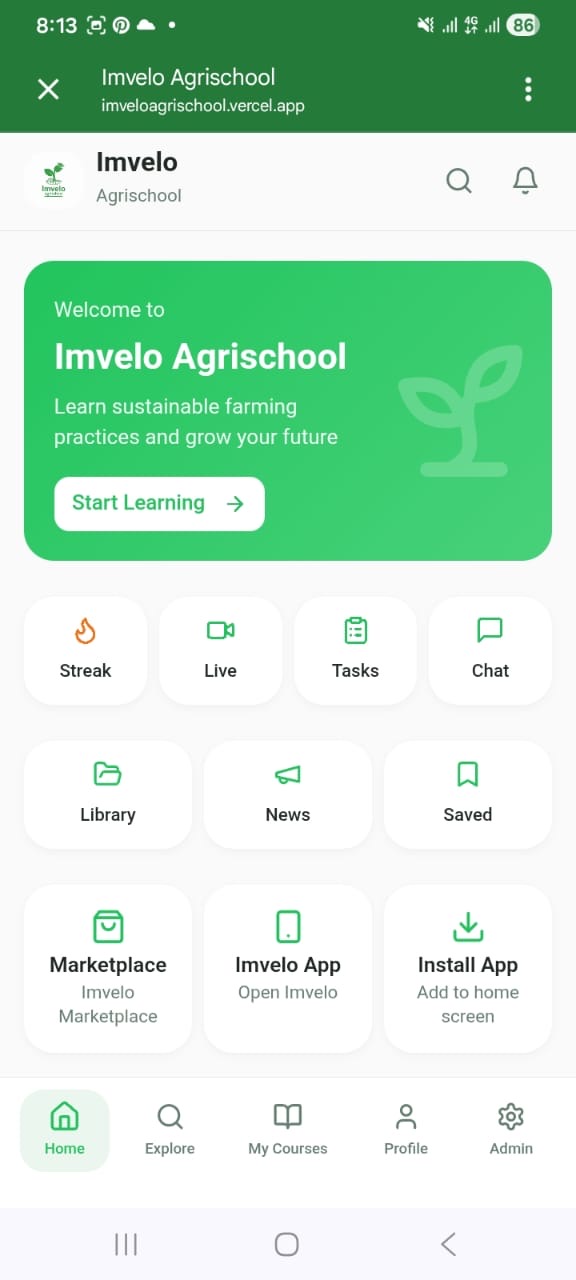
The ecosystem comprises three integrated platforms: the Imvelo App, which provides AI-powered crop diagnostics and farming support; the Imvelo Marketplace, which connects farmers directly to buyers; and Imvelo AgriSchool, which offers educational resources to improve agricultural knowledge and productivity.
Together, the platforms create a seamless digital environment where farmers can learn, produce and market their products within one ecosystem. One of the platform's defining features, he said, is its accessibility. Unlike many digital applications that depend on reliable internet access, Imvelo was built using an offline-first approach, allowing it to function in low-connectivity environments while synchronising data in the background whenever internet becomes available.
The platform also supports 22 African languages, ensuring that language does not become a barrier to digital inclusion for rural farming communities. Xaba further highlighted that environmental sustainability is embedded within the platform's design.
"By providing hyper-local climate modelling and promoting sustainable, data-driven farming practices, the platform serves as a vital tool for environmental adaptation," he said.
He added that the technology enables farmers to make informed decisions based on local climatic conditions, helping improve productivity while safeguarding natural resources and enhancing resilience to climate change.
The innovation comes at a time when artificial intelligence is increasingly being adopted to support environmental management worldwide.
According to the United Nations Environment Programme (UNEP), the organisation recently launched EnvironmentGPT, an AI-powered assistant that provides users with trusted, science-based environmental information through conversational queries.
The initiative demonstrates the growing role of artificial intelligence in supporting climate action, environmental governance and sustainable development. As global institutions embrace artificial intelligence to tackle environmental challenges, Xaba believes locally developed technologies such as the Imvelo App Suite can ensure that Eswatini's farmers are not left behind.
His innovation demonstrates how youth-led digital solutions can simultaneously address unemployment, strengthen food security and build climate resilience, positioning technology as a powerful tool for Eswatini's sustainable development.