
OPINION ARTICLE: Eswatini Must Rethink Development on Its Mountain Slopes
By Nonkululeko Dlamini · August 24, 2026
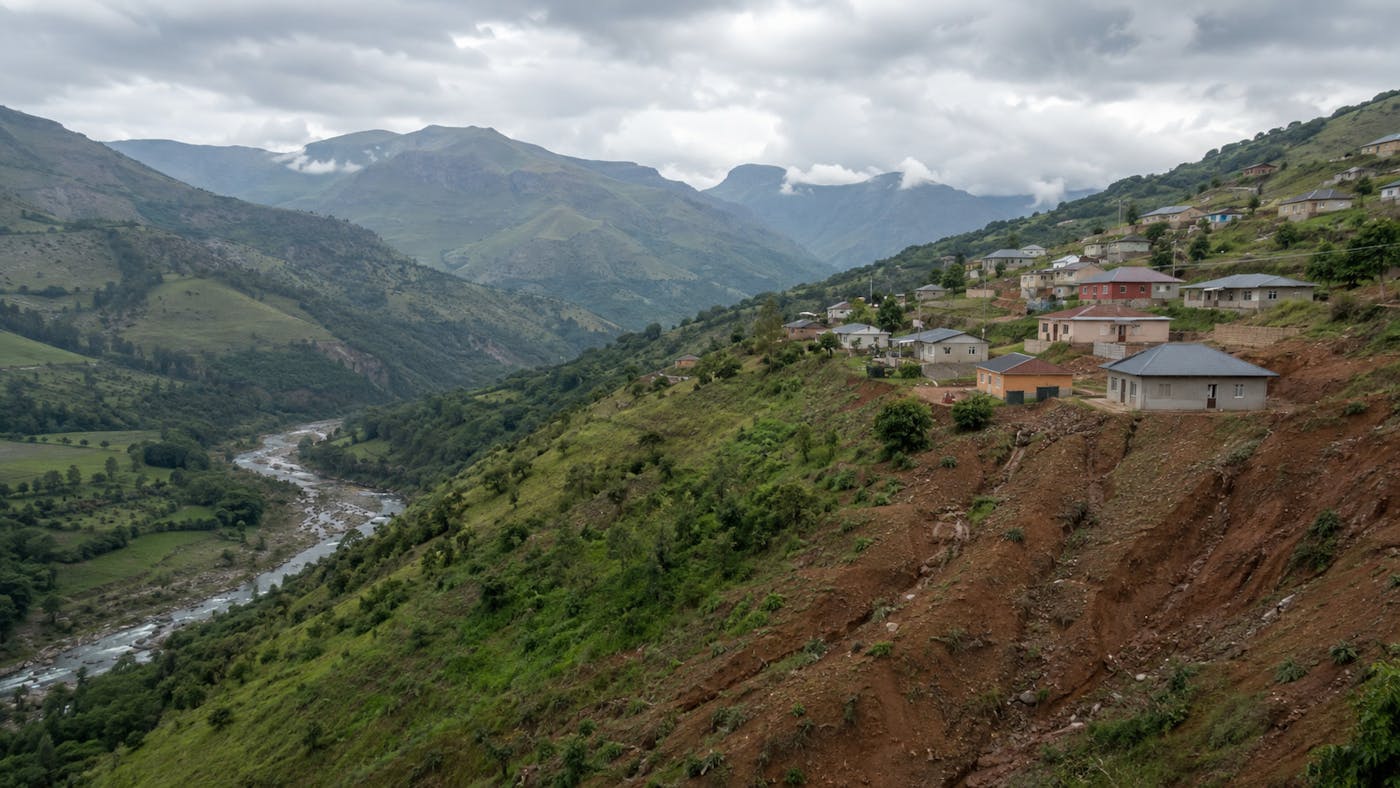
As homes climb Eswatini’s mountain slopes, the country must confront whether development is advancing at the expense of environmental protection, public safety and climate resilience.
Eswatini’s mountains are more than striking features of the country’s landscape. They are natural water towers, biodiversity habitats, soil protectors and the source of rivers that sustain communities far beyond the slopes.
As settlements increasingly expand into mountainous areas, the country must confront an urgent question: are we building homes today at the expense of tomorrow’s safety and environmental security?
According to the Eswatini Land Management Board, settlements on hills and mountainous areas are being reviewed amid concerns relating to public safety, physical planning and environmental compliance. According to the Board, several developments have proceeded without approved layouts or the necessary environmental assessments.
This is not merely a question of whether the correct paperwork was obtained. It is about whether some settlements are being established on land that can safely and sustainably support them.
According to the Eswatini Environment Authority (EEA), mountains and steep slopes within the Highveld serve as important water catchment areas. Their vegetation and soils absorb rainfall, slow surface water and reduce erosion. When vegetation is cleared to make way for houses, roads and other structures, these protective natural systems are weakened.
Rainwater can consequently travel downhill more rapidly, carrying valuable topsoil into rivers and contributing to gullies, flooding and the degradation of water sources. The environmental consequences do not necessarily remain confined to the mountains; they can affect communities and ecosystems located many kilometres downstream.
According to environmental information highlighted in the original article, rivers such as the Usuthu, Komati and Ingwavuma depend on healthy catchment landscapes. The continued loss of vegetation on slopes may therefore affect water quality, biodiversity and the ability of ecosystems to withstand extreme rainfall and storms.
However, the social realities driving hillside settlement cannot be ignored. According to the Ministry of Housing and Urban Development, growing pressure on available and affordable land is pushing some people towards areas that may not be suitable for human settlement. The need for housing is genuine, particularly as towns expand and land prices increase. Yet allowing families to build in potentially unstable or environmentally sensitive areas is not a sustainable solution to the housing challenge.
Unplanned settlements can create much greater costs when floods, erosion or landslides damage homes, roads, electricity infrastructure and water systems. These costs are eventually carried not only by affected households, but also by government and the wider public.
According to Eswatini’s Nationally Determined Contribution 3.0, the country intends to protect water resources, restore ecosystems and promote climate-resilient infrastructure and human settlements. The national climate plan also recognises the importance of healthy catchments in regulating water and reducing land degradation.
Hillside development is therefore not simply a local planning matter. It is a test of whether Eswatini’s development decisions are consistent with its national climate commitments.
According to the Eswatini National Trust Commission, more than E6.14 billion will be required by 2035 to protect, restore and sustainably manage the country’s biodiversity, including forests and water catchments. That estimate demonstrates that environmental degradation carries a substantial financial cost. In many cases, preventing destruction is considerably cheaper than attempting to restore damaged ecosystems later.
Authorities must consequently strengthen development controls without overlooking the housing needs of ordinary emaSwati. Government should identify safer land, improve access to properly planned residential plots and ensure that environmental assessments are completed before construction begins. Communities must also receive clear information about the risks associated with building on steep and unstable slopes.
The mountains are already communicating the consequences of poor land-use decisions through eroding soil, disappearing vegetation, muddy rivers and landscapes that can no longer absorb heavy rainfall effectively.
As Eswatini develops, the central question should no longer be only where people can build, but where they should build. Protecting the country’s mountains today means safeguarding its water, biodiversity, communities and climate resilience for generations to come.