
Phophonyane River's Journey to Rehabilitation
By Phumelele Mkhonta · July 6, 2026
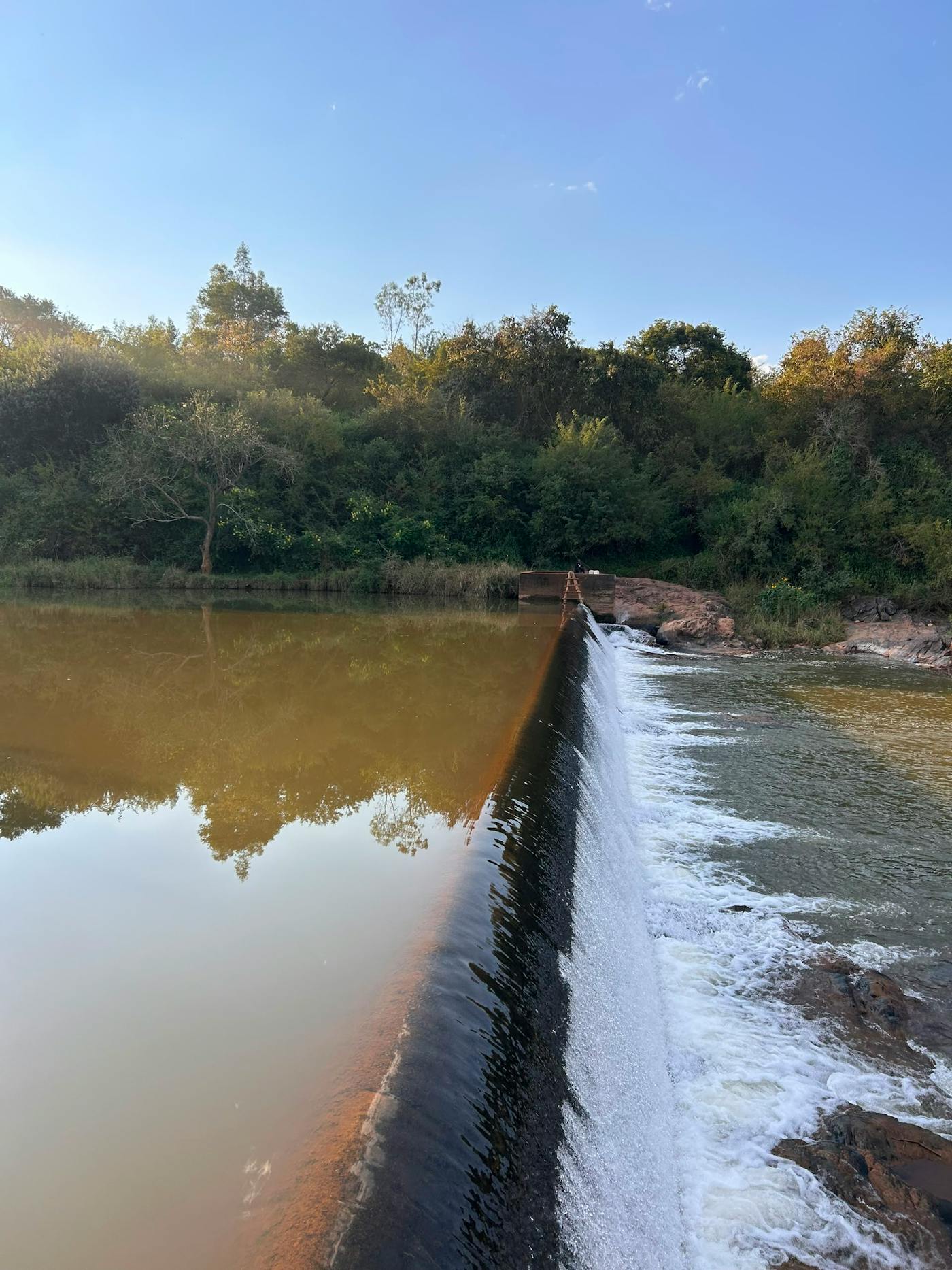
From Pollution to Protection: Community-Led Initiative Sparks Phophonyane River's Journey to Rehabilitation
The journey towards restoring the once-pristine Phophonyane River has begun, with communities, young people and environmental experts joining forces to safeguard one of Eswatini's most important freshwater ecosystems.
The initiative, implemented by the Integrated Management of Aquatic Communities (INMACOM) with support from the German Government through the GIZ Transboundary Water Management Programme, has launched a pilot community conservation and citizen science programme targeting communities living along the Phophonyane River.
The river flows through the Songimvelo-Malolotja Transfrontier Conservation Area within the Lubombo Transfrontier Conservation Area (LTFCA), serving as a critical resource for biodiversity, agriculture, tourism, forestry and surrounding communities. However, environmental experts have warned that increasing pollution, illegal mining, erosion, sedimentation and deteriorating water quality continue to threaten the river's ecological health.
The rehabilitation efforts come after growing concern from nature enthusiasts and members of the Eswatini Climate Coalition, who have repeatedly raised alarm over the deteriorating condition of the Phophonyane River. The coalition has consistently highlighted that illegal mining activities upstream have significantly contributed to poor water quality, leaving sections of the river visibly polluted and placing both aquatic ecosystems and downstream communities at risk.
Eswatini Climate Change Youth Parliament (CCYP) member Lungelo Ngwenya, who participated in the programme through the Eswatini Youth in Water (EYIW), said the initiative represented a shift towards empowering communities to become active custodians of their freshwater resources.
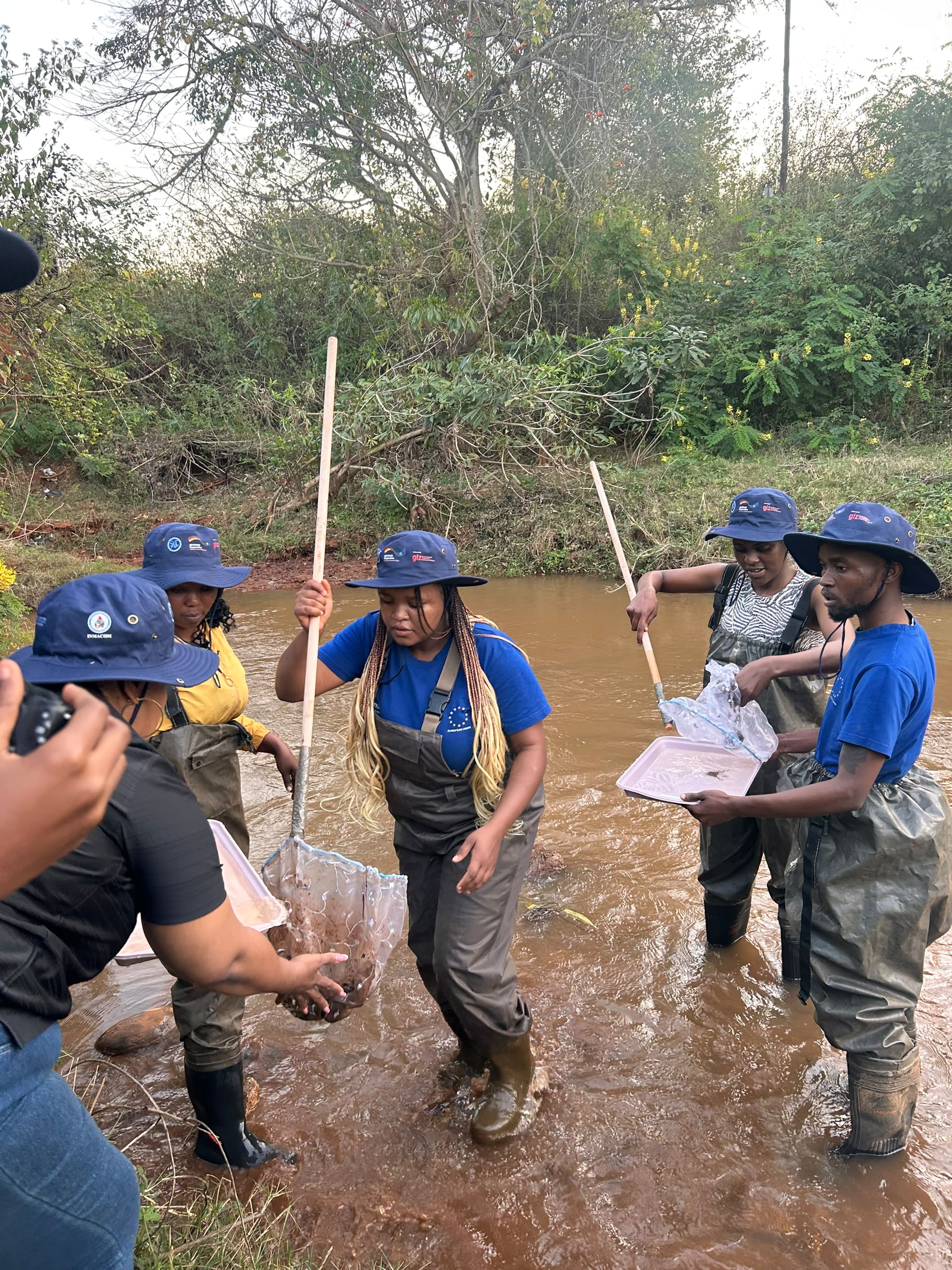
Ngwenya explained that unlike conventional conservation projects, the programme places local communities, particularly young people, at the centre of monitoring and protecting the river. He said participants were equipped with practical knowledge and scientific tools to assess river health while complementing INMACOM's broader Joint Basin Survey.
According to Ngwenya, participants underwent both classroom-based learning and field exercises where they explored freshwater ecosystem health through biomonitoring techniques. He said they also learnt citizen science approaches using aquatic macroinvertebrates, habitat assessments and water quality monitoring to better understand the condition of the river.
He added that the training demonstrated the close relationship between rivers, surrounding landscapes and biodiversity conservation, helping participants appreciate that healthy freshwater systems are fundamental to healthy terrestrial ecosystems.
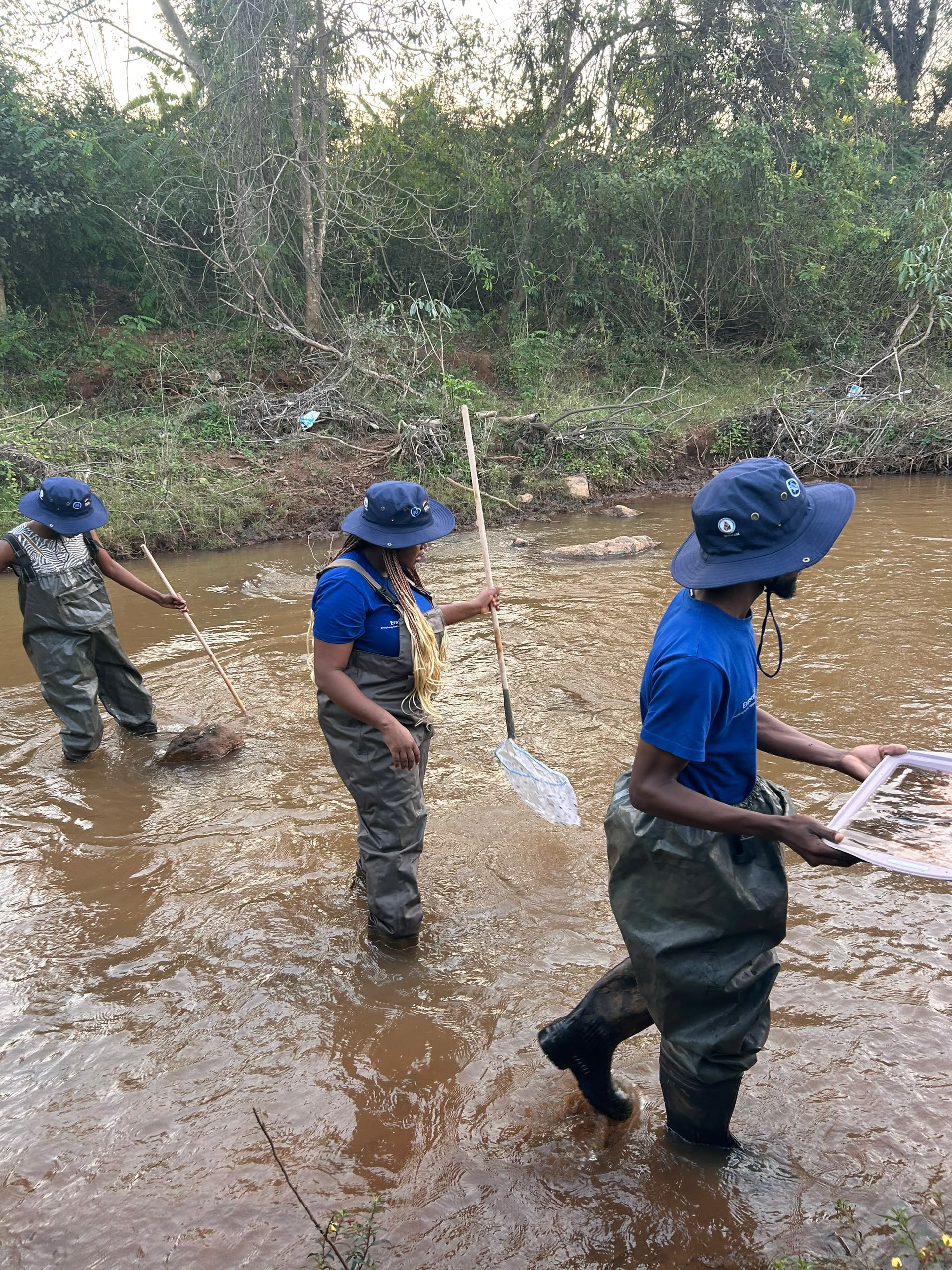
Ngwenya said one of the programme's primary objectives was to strengthen the capacity of youth and local communities in freshwater biomonitoring while raising awareness about the pressures facing freshwater resources. He noted that the initiative also sought to document local ecological knowledge and community perceptions regarding environmental changes affecting the river.
He said the programme was expected to equip participants with practical river health assessment skills, provide hands-on citizen science experience and foster a greater appreciation of the interconnectedness between freshwater ecosystems and the wider environment.
Additionally, he said the initiative would establish a baseline citizen science assessment of the Phophonyane River while strengthening the role of communities in protecting shared freshwater resources for future generations.
Ngwenya further explained that the programme had brought together a diverse range of stakeholders, including Eswatini Youth in Water (EYIW), community representatives, conservation agencies, universities and transboundary partners from South Africa and Mozambique.
He said the collaborative approach demonstrated that river conservation could only succeed through partnerships between communities, scientists, conservation organisations and governments.
As pressure on freshwater ecosystems continues to grow, the initiative marks an important step in transforming local communities from passive beneficiaries into active guardians of one of Eswatini's most valuable natural resources.
For communities living along the Phophonyane River, the programme signals more than an environmental intervention- it represents the beginning of a long-term journey towards restoring a river whose health is essential for people, wildlife and the ecosystems that depend on it.