
WHAT BRAZIL’S AMAZON COURT BATTLE COULD TEACH AFRICA- AND ESWATINI
By Lihle Shongwe · August 12, 2026
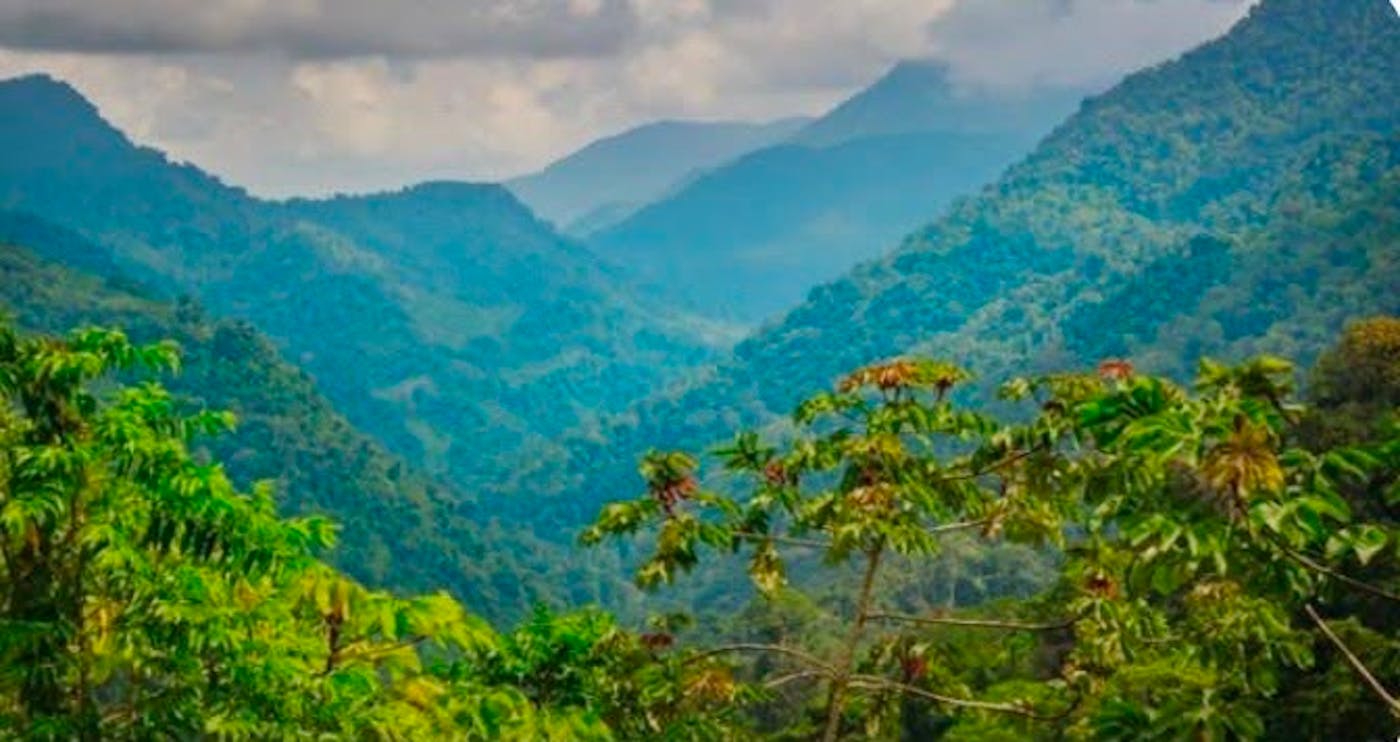
As Brazil's top court weighs Amazon protections, Africa and - Eswatini- must safeguard nature through strong laws and wiser decisions.
As Brazil’s Supreme Court prepares to decide cases that could reshape protections for the Amazon rainforest, the unfolding legal battle carries lessons far beyond South America- including for Africa and Eswatini.
According to the Associated Press, Brazil’s highest court is considering cases involving Indigenous land rights, environmental safeguards, infrastructure development and the future of the soya moratorium, which has helped restrict the cultivation of soya linked to Amazon deforestation. Environmental organisations increasingly see the court as an important line of defence against the weakening of environmental protections.
For Africa, the debate raises a familiar and increasingly urgent question: how should countries pursue economic development without weakening the ecosystems upon which people and economies depend?
The continent is home to the Congo Basin, the world’s second-largest tropical rainforest after the Amazon. But the lesson from Brazil extends beyond countries with vast tropical forests. It is equally about environmental governance- the laws, institutions and decisions that determine what can be developed, where and under what environmental conditions.
For Eswatini, this conversation is particularly relevant as the country balances development with the protection of its comparatively limited land, biodiversity and natural resources.
According to the Eswatini Environment Authority (EEA), the country's Environment Management Act of 2002 provides a legal framework for environmental protection and the sustainable management of natural resources. Eswatini also has Environmental Audit, Assessment and Review Regulations governing environmental assessment.
This means that decisions around infrastructure, agriculture, industry and other developments are not simply economic decisions; they can also become questions of environmental governance.
At the same time, Eswatini is seeking to expand conservation. According to UNDP Eswatini, a five-year biodiversity initiative launched in May 2026 aims to establish a consolidated nature reserve across approximately 87,000 hectares of the Lubombo landscape, while strengthening conservation, tourism and community livelihoods. Brazil's unfolding court battle therefore offers an important reminder for Eswatini and the wider African continent: environmental protection does not happen only inside forests, wetlands and nature reserves.
It also happens in legislation, environmental assessments, development approvals, government institutions and, when those decisions are challenged, in the courts.
What happens in Brazil's Amazon may be decided under Brazilian law, but the fundamental question resonates much closer to home: as development accelerates, how do we ensure that progress today does not compromise the natural resources needed tomorrow?