When the Green Hills Turn Black: Sibebe’s Landscape Bears the Scars of Fire
By Success Nhantuve · July 27, 2026
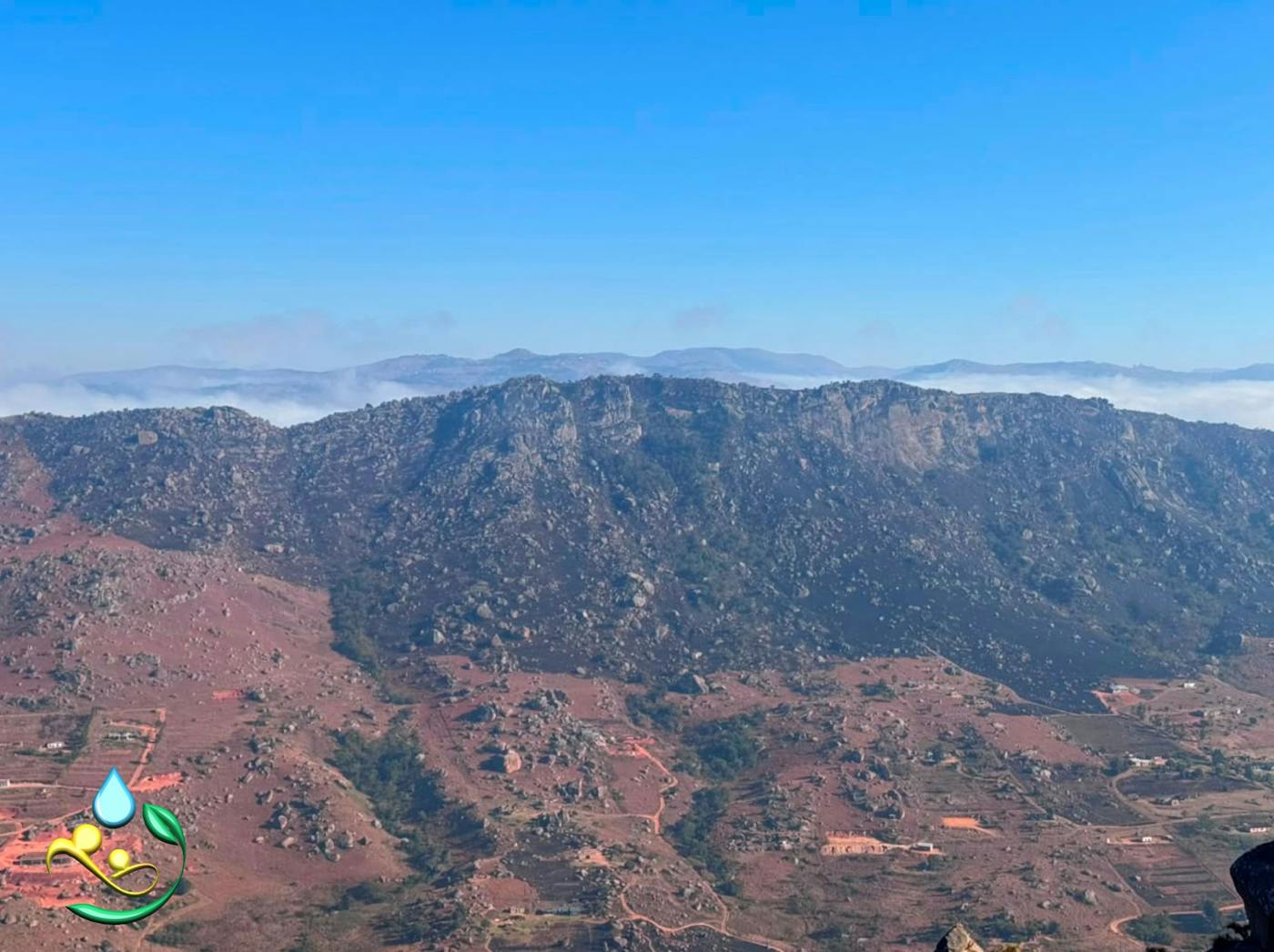
Sibebe’s blackened hills tell a sobering story of wildfires, climate change and the air Eswatini breathes.
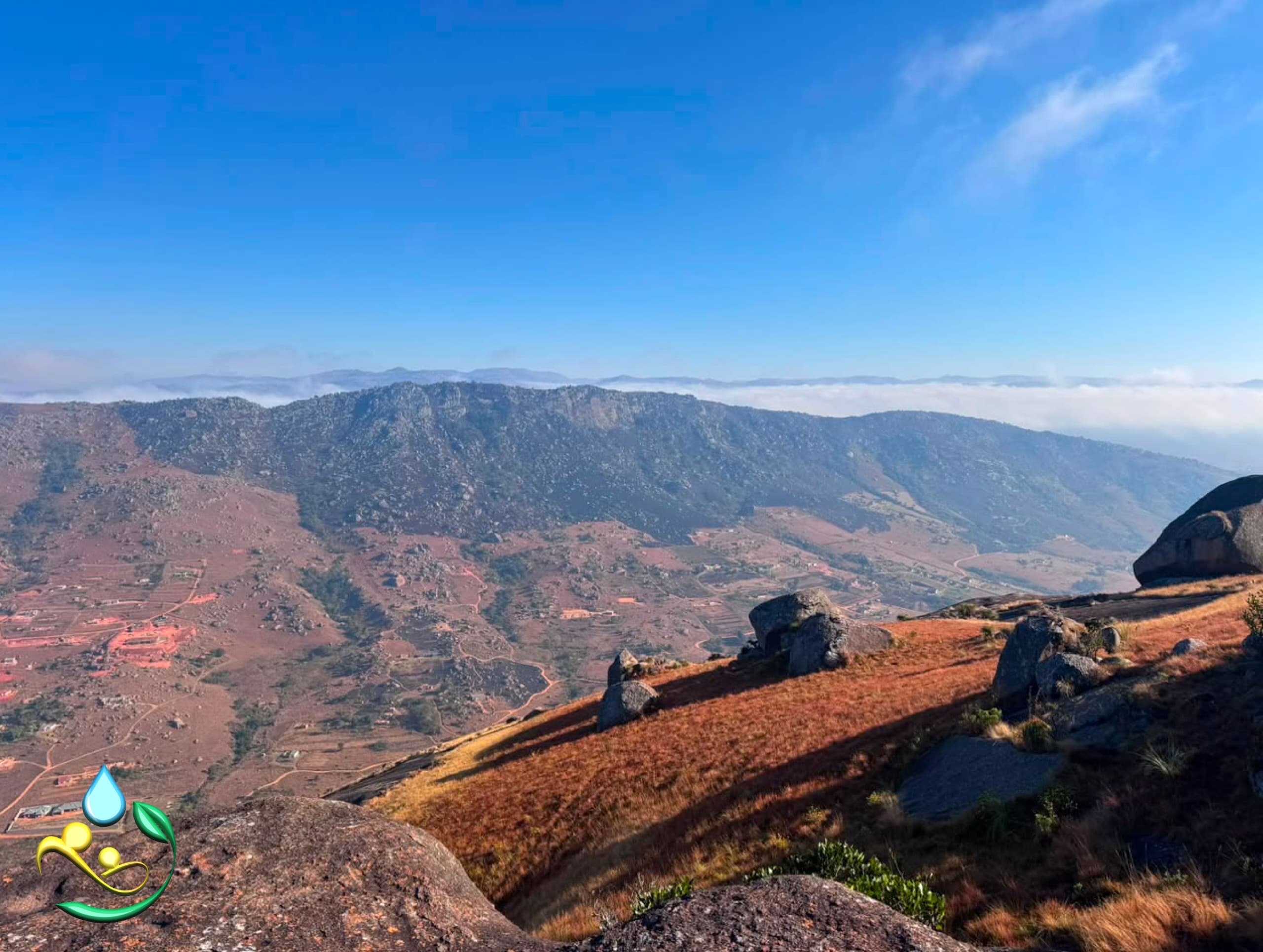
From the heights of Sibebe, situated about 10 kilometres north-east of Mbabane in Eswatini’s Hhohho Region, the landscape usually unfolds in shades of green- rolling hills, scattered homesteads and valleys woven together beneath an open sky. Yet the present view tells a darker story. Across the once-green scenery, large portions of the mountainside have been reduced to blackened earth, with the scars of wildfires cutting visibly through the landscape.
The flames may have disappeared, but their footprints remain.
During Eswatini’s dry winter months, grasslands lose moisture and become highly combustible. A single unattended flame, discarded cigarette, deliberately started veld fire or uncontrolled waste-burning incident can travel rapidly across slopes, driven by dry vegetation and strong winds. Wildfires become increasingly imminent as the dry season deepens, threatening homes, livestock, biodiversity, grazing land and human life.
Although wildfires have always formed part of some natural ecosystems, climate change is altering the conditions under which they occur. Rising temperatures, longer dry spells and shifting rainfall patterns increasingly leave vegetation dry enough to ignite and sustain fire. These changing conditions do not necessarily start every wildfire, but they can create an environment in which fires spread faster, burn more intensely and become harder to control.
What remains after the flames is not merely an altered view. Fire strips the soil of protective vegetation, leaving hillsides vulnerable to erosion when the rains eventually return. It destroys habitats, removes grazing resources and releases carbon stored in vegetation back into the atmosphere- further strengthening the relationship between wildfires and climate change.
The smoke also travels far beyond the burnt landscape.
CENN recently reported a seasonal decline in Mbabane’s air quality, with fine particulate matter, known as PM2.5, identified as the main pollutant. These microscopic particles can penetrate deep into the lungs, posing particular risks to children, older persons and people living with respiratory or cardiovascular conditions.
Climate change expert and nature enthusiast Rex Brown told CENN that it was increasingly becoming the norm for air quality in Eswatini to take a dive during periods of wildfires and dry grasslands. He encouraged the public to regularly monitor air quality through tools provided by the Ministry of Tourism and Environmental Affairs and to adjust outdoor activities when pollution levels deteriorate.
The blackened hills visible from Sibebe are therefore more than a seasonal blemish. They are a warning written across the landscape: what burns on the mountain does not remain on the mountain. It enters the soil, the atmosphere, the climate- and ultimately, the lungs of the nation.